Proximity sensors are fundamental components in modern automation and safety systems. Among various types, magnetic proximity sensors, particularly inductive and reed switch variants, rely heavily on magnetic fields for operation. A critical yet often misunderstood aspect of their performance is magnetic strength. This parameter is not a singular value but a complex interplay of factors that directly influences sensing range, reliability, and application suitability.
At its core, the "strength" in a magnetic proximity sensor refers to the intensity of the magnetic field required to trigger the sensor or, conversely, the field generated by the sensor's target (often a permanent magnet). For sensors detecting ferrous metals (inductive type), the magnetic field is generated internally. The effective strength here relates to the oscillator coil's power and design, determining how close a ferrous object must be to disturb the field and cause a state change. A stronger effective magnetic field can allow for a marginally larger nominal sensing distance but is primarily tuned for consistency and immunity to environmental factors like temperature drift.
For sensors that require an external magnet as a target—common in cylinder position sensing or door/window security—the magnet's strength is paramount. It is typically measured in Gauss or Tesla units. The sensor's internal switching mechanism (like a reed switch or Hall-effect IC) has a specific operate point, a magnetic flux density threshold it must experience to activate. If the magnet is too weak, the sensor may fail to trigger reliably at the rated distance. If excessively strong, it might cause the sensor to latch or trigger from too far away, potentially causing false readings from unintended metal objects.
Several key factors determine the required and effective magnetic strength:
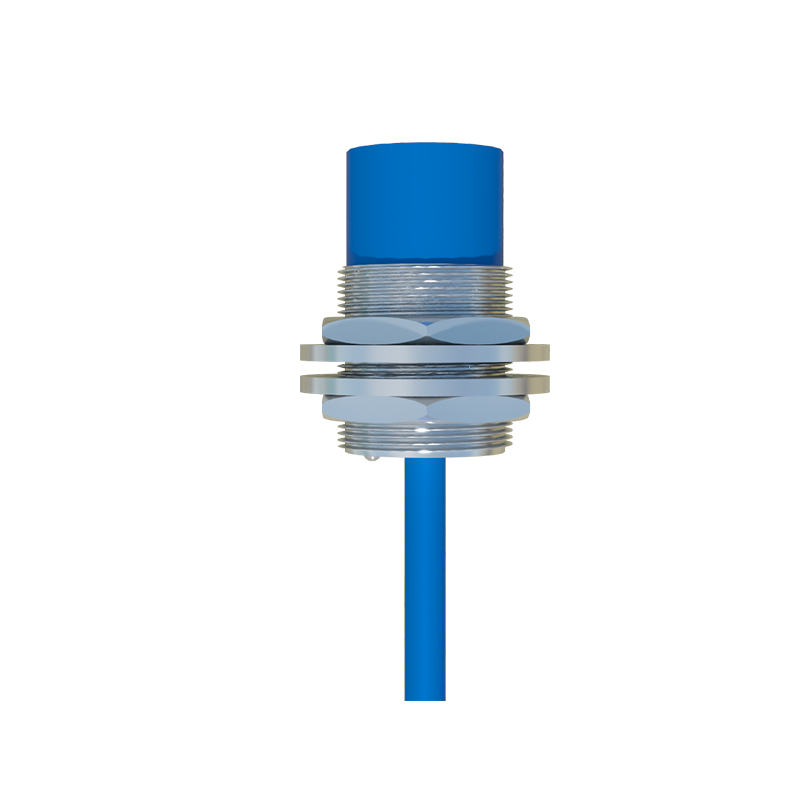
1. Sensing Distance: This is the most direct relationship. A longer required sensing distance necessitates a stronger magnet or a more sensitive sensor. Manufacturers specify a nominal sensing distance (Sn) under ideal conditions with a standard target.
2. Target Material: For inductive sensors, mild steel is the standard. Stainless steel (especially non-ferritic grades), aluminum, or copper have different effects on the electromagnetic field, effectively requiring a different "strength" of interaction. Austenitic stainless steel, for instance, may reduce the effective sensing distance by 50% or more compared to mild steel.
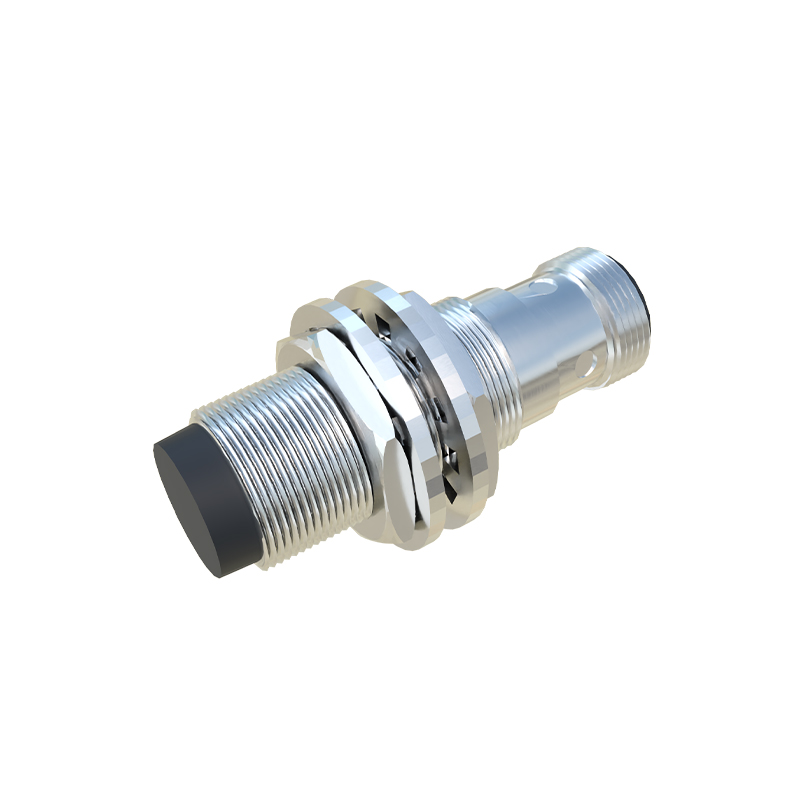
3. Sensor Technology: Reed switch-based sensors have a specific magnetic sensitivity range. Hall-effect sensors offer more precision and can be programmed for different sensitivity thresholds, allowing more flexibility with magnet strength. Magneto-resistive sensors offer even higher sensitivity.
4. Installation and Environment: The presence of other magnetic materials, competing magnetic fields, or extreme temperatures can affect performance. Strong adjacent ferrous metal can shunt or distort the magnetic field, weakening its effective strength at the sensor head. High temperatures can temporarily or permanently weaken permanent magnets.
5. Air Gap: The distance between the sensor and the target. Magnetic field strength diminishes rapidly with distance (following an inverse cube law for small magnets). A tiny increase in air gap can require a significantly stronger magnet to maintain reliable operation.
Selecting the correct magnetic strength is an engineering balance. An under-strength setup leads to unreliable triggering and system faults. An over-strength magnet can cause several issues: it may prematurely wear out a reed switch due to forceful contact closure, it might trigger the sensor through a non-target metal barrier, or it could interfere with nearby electronic equipment or other magnetic sensors.
In practical applications, engineers should never arbitrarily select a stronger magnet. Instead, they must:
Adhere strictly to the sensor manufacturer's datasheet recommendations for magnet material, size, and grade (e.g., N52 Neodymium).
Consider the operating temperature range's effect on the magnet.
Account for the target material if not standard mild steel.
Perform real-world testing under the final installation conditions, including the mounting brackets and surrounding machinery.
In conclusion, magnetic strength in proximity sensing is a foundational design parameter. It is not about maximizing strength but about optimizing it for the specific application to ensure repeatable, reliable switching without side effects. Understanding the factors that influence magnetic field interaction—sensor technology, target characteristics, distance, and environment—allows for the correct sensor selection and system integration, ensuring longevity and precision in automated systems.