In the modern agricultural landscape, the integration of advanced electronic components has become paramount for achieving efficiency, safety, and precision. Among these critical components, proximity switch sensors play an indispensable role in the automation and control systems of contemporary agricultural machinery. These non-contact sensors detect the presence or absence of a target object without physical interaction, making them ideal for the harsh, demanding environments typical of farming operations.
Proximity sensors used in agricultural equipment are predominantly inductive or capacitive types. Inductive proximity switches are engineered to detect metallic objects, such as the position of a combine harvester's header, the level of grain in a tank, or the alignment of implement hitches. Their operation is based on generating an electromagnetic field. When a metallic target enters this field, it induces eddy currents, causing a change in the sensor's oscillation amplitude, which subsequently triggers a switching signal. This technology is exceptionally robust, resistant to dust, moisture, and vibration—common adversaries in fields and barns.
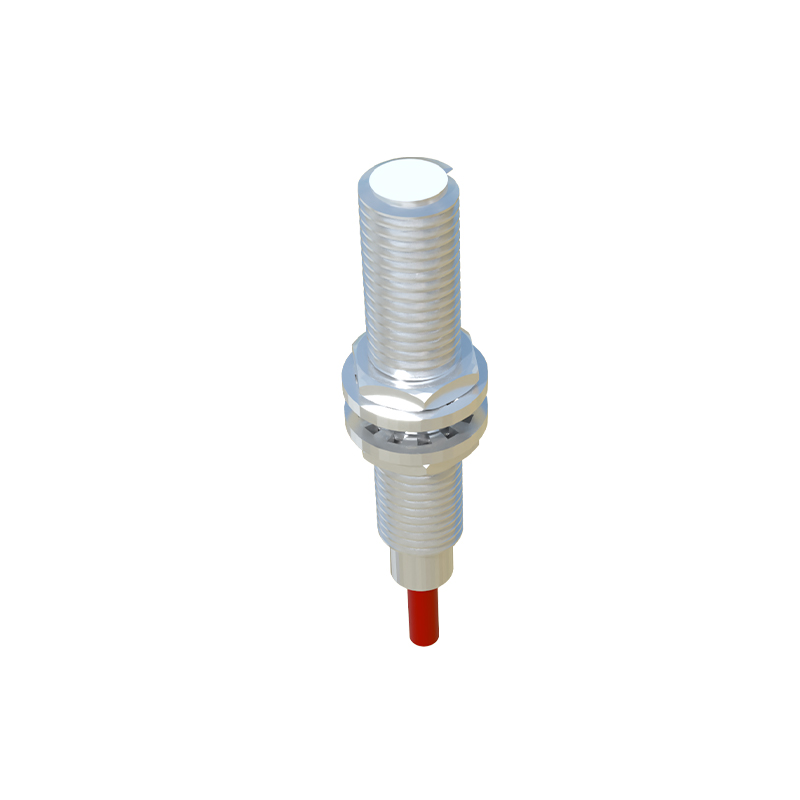
Capacitive proximity sensors, on the other hand, can detect both metallic and non-metallic materials, including liquids, grains, and plastics. This makes them perfect for applications like monitoring liquid fertilizer levels in tanks, detecting the presence of seed in a planter's hopper, or controlling the fill level of a silo. They function by measuring changes in capacitance caused by the dielectric properties of a target object entering their electrostatic field.
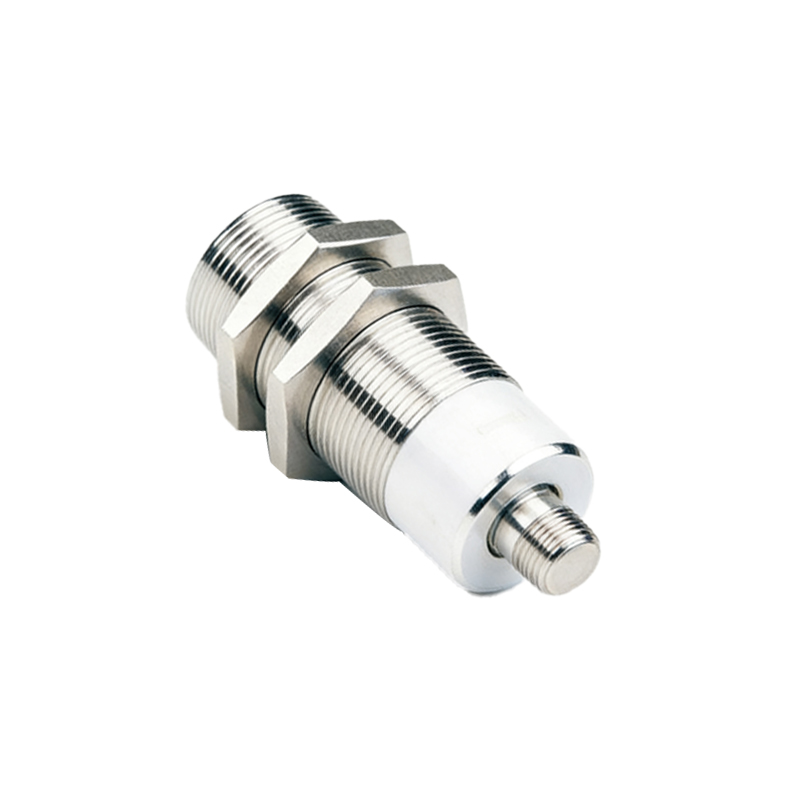
The application of these sensors is vast and transformative. In automated guidance systems for tractors and harvesters, proximity switches provide critical feedback for steering and implement control, ensuring straight rows and minimizing overlap. In balers and forage harvesters, they monitor the position of knotters, plungers, and feed mechanisms, preventing jams and optimizing bale density. On planters and seeders, sensors verify seed tube blockage or monitor seed meter operation, directly impacting planting accuracy and yield potential. Furthermore, they are integral to safety interlocks on power take-off (PTO) shields and access panels, automatically shutting down dangerous moving parts when a cover is opened.
The benefits of deploying high-quality proximity sensors in agricultural machinery are substantial. Firstly, they significantly enhance operational precision. By providing real-time, accurate positional data, they enable machinery to perform complex tasks with minimal human intervention, reducing waste of inputs like seeds and fertilizers. Secondly, they improve reliability and durability. Sealed in rugged housings (often rated IP67 or higher), these sensors withstand exposure to mud, water, chemical sprays, and extreme temperatures, leading to fewer breakdowns and lower maintenance costs. Thirdly, they contribute to operator safety by enabling automated shutdowns and providing clear status indicators, preventing accidents related to moving parts and machine entanglement.
When selecting proximity switches for agricultural applications, several factors must be considered. The sensing range, environmental protection rating (IP code), housing material (typically stainless steel or nickel-plated brass), and output type (PNP/NPN) must be matched to the specific task. Immunity to electromagnetic interference from other onboard electronics is also crucial. Regular maintenance, though minimal, involves keeping the sensor face clean from debris and checking for physical damage to cables and connectors.
Looking ahead, the role of proximity sensors will only expand with the advent of smart farming and the Internet of Things (IoT). Sensors will not only provide simple on/off signals but will be integrated into networked systems, feeding data to central controllers for predictive analytics, remote monitoring, and fully autonomous machine operation. This evolution promises unprecedented levels of efficiency and resource management in agriculture.
In conclusion, proximity switch sensors are silent yet powerful workhorses in modern agricultural machinery. Their ability to deliver reliable, non-contact detection in punishing conditions is fundamental to the precision, productivity, and safety of today's highly automated farming operations. As technology advances, their sophistication and integration will continue to drive the agricultural industry toward a more efficient and sustainable future.