In the realm of industrial automation and smart device design, proximity sensors stand as critical components for non-contact detection. A specific and highly functional capability within this domain is the reliable sensing of objects at a distance of 3 centimeters. This article delves into the technology behind proximity sensors achieving this precise range, their operational principles, and their diverse applications across industries.
The 3cm sensing distance represents a sweet spot for many applications, balancing sufficient range for practical use with the need for precision and compact sensor design. Several technologies are capable of delivering this performance, primarily inductive, capacitive, and photoelectric sensors. Inductive proximity sensors are the workhorses for detecting metallic objects. They operate by generating an electromagnetic field. When a metallic target enters this field within the specified 3cm range, it causes a change in the oscillation amplitude, which is detected by the sensor's circuitry, triggering an output signal. Their robustness, insensitivity to non-metals, and ability to function in dirty or wet environments make them ideal for factory automation, such as verifying the presence of a metal part on a conveyor or counting metallic components.
Capacitive proximity sensors, on the other hand, can detect both metallic and non-metallic materials like plastics, liquids, glass, and wood. They function by generating an electrostatic field. Any object with a dielectric constant different from air entering this field alters the sensor's capacitance. This change is measured to detect presence. The 3cm range is common for these sensors in applications like liquid level detection in non-metallic tanks, material handling for various substances, or touch-sensitive interfaces.
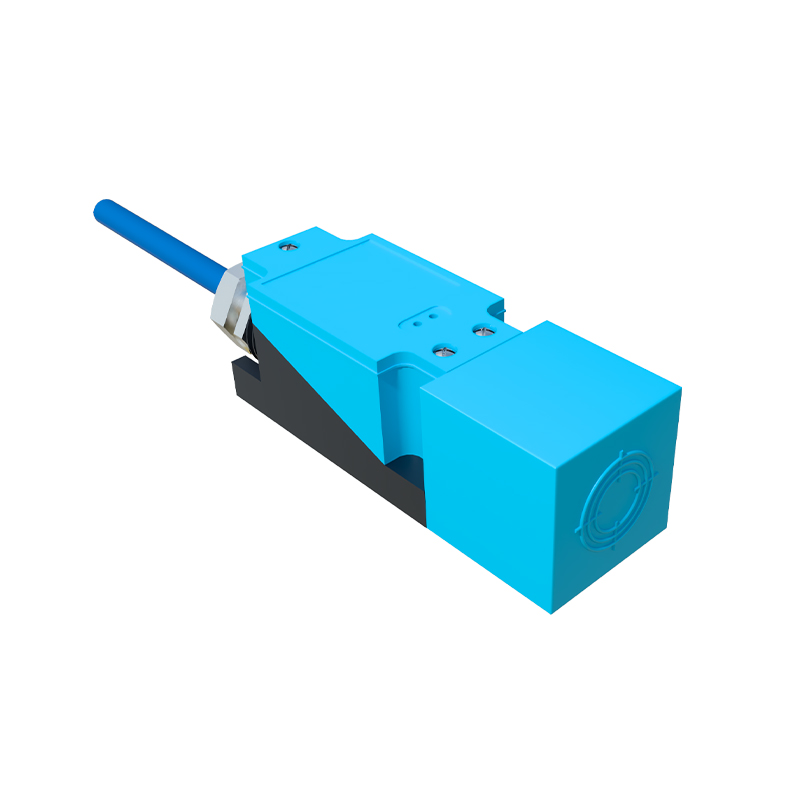
Photoelectric sensors offer another pathway to 3cm detection, typically in a diffuse (reflective) mode. These sensors emit a beam of light (often infrared LED or laser) and have a receiver that detects the light reflected back from the target object. The key is that the object must be within the effective range, in this case 3cm, to reflect sufficient light to be registered. They are excellent for color detection, small object sensing, and applications where the target material is not a factor, provided the environment is relatively clean from heavy airborne contamination that could scatter the light.
Achieving a consistent and reliable 3cm sensing distance involves precise engineering. Factors such as the sensor's face size, the oscillator frequency (for inductive types), the sensitivity adjustment, and the target material's properties (size, material type for inductive) all play crucial roles. For instance, the sensing distance for an inductive sensor is rated for a standard mild steel target of a specified size. Using a different metal like aluminum or copper typically reduces the effective sensing distance, a factor engineers must account for during system design. Similarly, the color and surface finish of an object can affect the performance of a photoelectric sensor at this range.
The applications for 3cm-range proximity sensors are vast and critical. In automotive assembly lines, they ensure precise positioning of components during robotic welding or assembly. In consumer electronics, they enable features like automatic screen turn-off when a phone is held to the ear. In packaging machinery, they detect the presence of a product at a specific point to trigger sealing or labeling. In vending machines, they confirm coin entry or product dispensing. The medical device industry uses them for precise fluid level monitoring or device activation. The 3cm distance is often chosen because it provides a safe buffer, preventing physical contact and potential damage, while being close enough for accurate and repeatable triggering.
When selecting a proximity sensor for a 3cm application, engineers must consider several parameters beyond just the nominal range. These include the repeatability (consistency of detection at the same point), response time (how quickly it can detect and output a signal), environmental ratings (IP rating for dust and water resistance), temperature range, and output type (PNP/NPN, analog, IO-Link). Proper installation is also paramount; sensors must be mounted securely without misalignment, and considerations for mutual interference (when mounting multiple sensors close together) must be addressed per manufacturer guidelines.
In conclusion, the ability to sense objects at a precise 3cm distance is a fundamental capability enabled by modern proximity sensor technology. Whether through electromagnetic, electrostatic, or optical principles, these sensors provide the essential "eyes" and "touch" for machines and devices, ensuring efficiency, safety, and intelligence in automated systems. Their continued evolution towards smaller sizes, longer life, and smarter, networked capabilities (like IO-Link) ensures they will remain indispensable in the advancing landscape of Industry 4.0 and the Internet of Things.