In the intricate world of industrial automation, where precision, reliability, and safety are non-negotiable, proximity switch sensors stand as the silent, unseen guardians. These robust electronic devices detect the presence or absence of an object without any physical contact, enabling seamless and efficient control over machinery and processes. From high-speed packaging lines to heavy-duty robotic arms, their role is fundamental. Unlike mechanical limit switches, proximity sensors offer a contactless solution, eliminating wear and tear and ensuring a dramatically longer operational lifespan with minimal maintenance. This translates directly into reduced downtime and lower total cost of ownership, a critical factor for any competitive manufacturing operation.
The core technology behind these sensors is both elegant and effective. Inductive proximity sensors, for instance, generate an electromagnetic field. When a metallic target enters this field, it causes a change in oscillation, which the sensor detects and converts into a solid-state output signal. This makes them ideal for detecting metals in harsh environments filled with oil, coolant, or dust. For non-metallic objects like glass, plastic, or liquid, capacitive proximity sensors are the tool of choice. They measure changes in capacitance caused by the target material, providing versatile detection capabilities. Furthermore, magnetic proximity sensors (reed switches) offer a simple, cost-effective solution for detecting permanent magnets, often used in safety door monitoring.
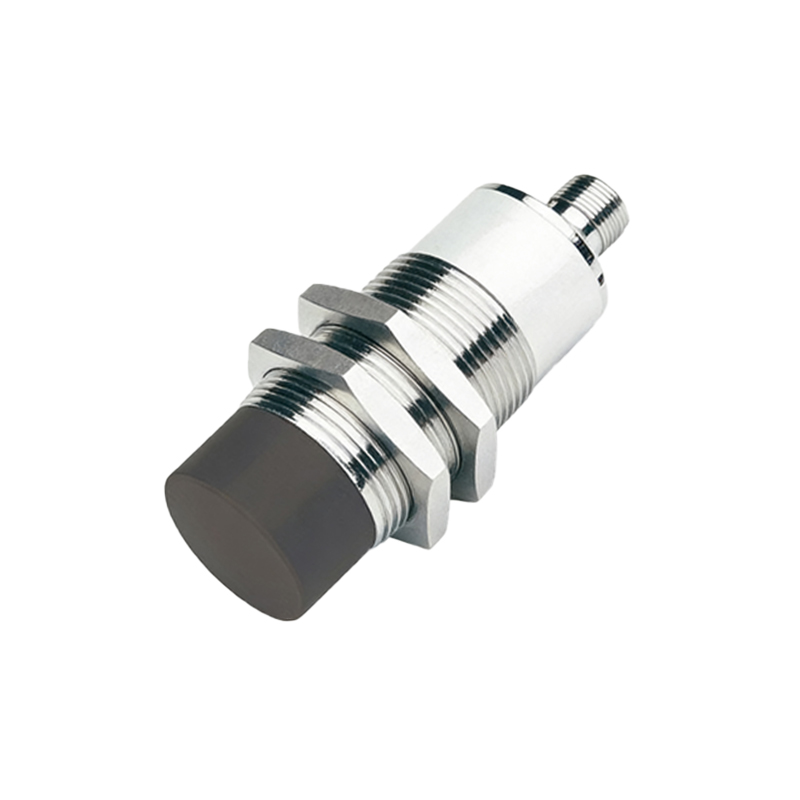
Choosing the right proximity sensor is paramount for optimal system performance. Key specifications to consider include sensing distance, response frequency, output type (PNP/NPN, NO/NC), housing material (often nickel-plated brass or stainless steel for durability), and environmental protection ratings like IP67 or IP69K for washdown or outdoor applications. A sensor with an insufficient sensing range will fail its task, while one with an overly slow response time can become a bottleneck in a high-cycle process. Our comprehensive product range is engineered to meet these diverse and demanding requirements, offering everything from miniature cylindrical sensors for tight spaces to large rectangular models for extended range.
The benefits of integrating high-quality proximity sensors extend far beyond simple object detection. They are the first line of defense in machine safety interlock systems, preventing access to hazardous areas while machinery is in motion. They enable precise positioning control, ensuring a robotic gripper picks up a component at the exact correct moment. In material handling, they count products on a conveyor belt with unerring accuracy. By providing a clean, fast, and reliable digital signal to Programmable Logic Controllers (PLCs), they form the essential sensory network that makes advanced automation possible. This level of control enhances product quality, boosts production throughput, and safeguards both equipment and personnel.
In today's era of Industry 4.0 and the Industrial Internet of Things (IIoT), the humble proximity sensor is evolving. Modern versions come equipped with IO-Link communication, allowing for advanced diagnostics, parameter setting on-the-fly, and seamless integration into smart factory networks. This enables predictive maintenance—receiving an alert before a sensor fails—further maximizing uptime. When you select our proximity sensors, you are not just purchasing a component; you are investing in a foundation of reliability for your entire automated system. Engineered for extreme endurance, tested under rigorous conditions, and backed by expert technical support, our sensors deliver the unwavering performance your critical applications demand. Trust the unseen guardians to keep your operations running smoothly, efficiently, and safely, 24/7.