In the field of industrial automation and machinery, proximity sensors are indispensable components for detecting the presence or absence of objects without physical contact. A common question among engineers and maintenance personnel is whether these sensors can operate effectively without their protective housing. This article delves into the technical, practical, and safety considerations surrounding the use of bare proximity sensors.
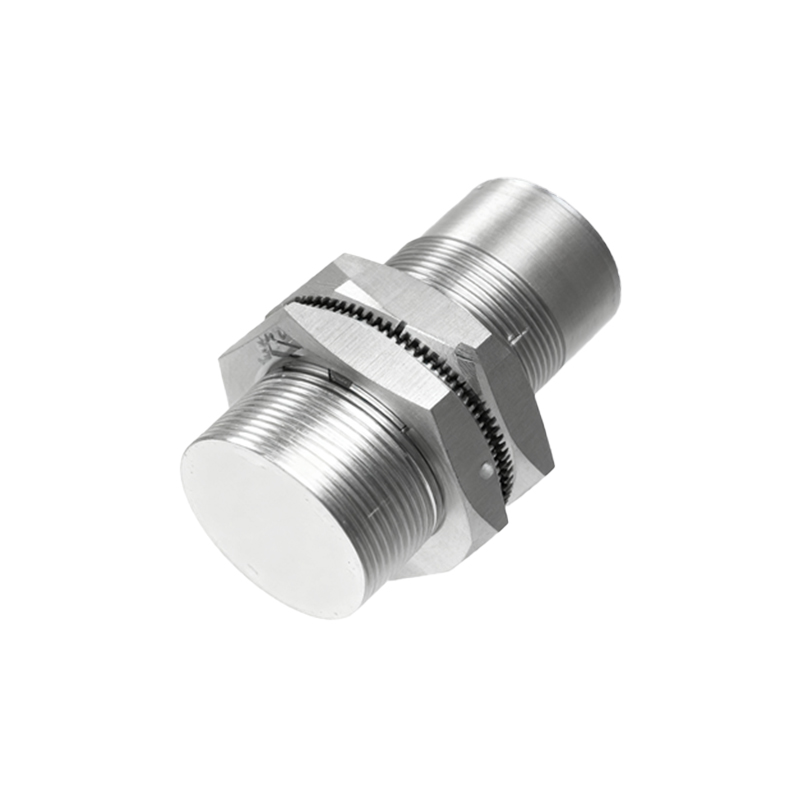
Firstly, it is essential to understand the primary functions of a sensor housing. The housing, typically made of materials like stainless steel, brass, or plastic, serves multiple critical purposes. It provides mechanical protection against impacts, vibrations, and abrasion that are common in harsh industrial environments. Additionally, the housing offers environmental sealing, often rated with IP (Ingress Protection) codes such as IP67 or IP68, which safeguard the internal electronics from dust, moisture, oils, and chemicals. Without this enclosure, the sensitive electronic components, including the oscillator, amplifier, and output circuitry, are exposed to potential damage.
From a technical standpoint, some proximity sensors might function temporarily without a housing if the core sensing element remains intact. However, this setup is highly unreliable and risky. The housing is integral to the sensor's electromagnetic field shaping and shielding. In inductive proximity sensors, for example, the metal casing helps focus the electromagnetic field toward the sensing face, ensuring accurate and stable detection ranges. Removing the housing can lead to erratic behavior, reduced sensing distance, and interference from nearby metallic objects or electrical noise. Capacitive and ultrasonic sensors similarly rely on housing design for proper field distribution and signal integrity.
Safety is a paramount concern. Operating a proximity sensor without its housing violates most safety standards and regulations, such as those outlined by ISO, IEC, or OSHA. Exposed live parts pose electrical shock hazards to personnel. Moreover, in explosive atmospheres (ATEX or IECEx zones), sensors require specific housings to prevent ignition risks. Using an unenclosed sensor in such conditions could lead to catastrophic failures.
Practical applications also highlight the drawbacks. In real-world settings like manufacturing lines, automotive assembly, or material handling, sensors face continuous mechanical stress. Without a housing, wires and solder joints are vulnerable to breakage, leading to frequent downtime and increased maintenance costs. Environmental factors like humidity, temperature fluctuations, or washdown procedures in food processing can quickly corrode or short-circuit exposed components.
There are rare exceptions, such as custom-designed systems where sensors are embedded into machinery with alternative protection. In these cases, engineers might integrate the sensing element directly, but this requires careful design to replicate the housing's functions—like adding conformal coating for moisture resistance or using enclosures that cover the sensor indirectly. However, this approach is not standard and demands extensive validation.
In conclusion, while a proximity sensor might technically operate without its housing in controlled, benign conditions, it is strongly discouraged for regular industrial use. The housing is not merely a cosmetic cover but a critical component ensuring reliability, accuracy, and safety. For optimal performance and longevity, always use proximity sensors as intended by the manufacturer, with their housings intact. If a sensor's housing is damaged, replace the entire unit rather than attempting to use it bare. This practice aligns with best engineering principles and helps maintain system integrity.