In the dynamic landscape of industrial automation, the one-size-fits-all approach to sensor technology often falls short. Custom proximity sensor switch solutions have emerged as a critical enabler for enhancing efficiency, reliability, and safety in complex manufacturing environments. These tailored devices are engineered to meet specific operational challenges that standard, off-the-shelf sensors cannot address.
The primary driver for customization is the operating environment. Standard inductive, capacitive, or photoelectric proximity switches may fail under extreme conditions. For instance, in metalworking facilities with high levels of conductive dust and coolant mist, a standard inductive sensor's sensing range can be drastically reduced, and its housing may corrode. A custom solution would involve specifying a hermetically sealed housing rated for IP69K, using a specialized polymer that resists chemical attack from coolants, and integrating a high-frequency oscillation circuit that can ignore the buildup of metallic swarf on the sensor face. Similarly, in food and beverage processing, sensors require specific material certifications like FDA-compliance or EHEDG approval, smooth surfaces to prevent bacterial growth, and the ability to detect non-metallic objects like plastic containers through layers of product residue, necessitating a custom capacitive design with enhanced sensitivity adjustment.
Another crucial aspect is the sensing requirement itself. Standard sensors have predefined sensing distances and target materials. Customization becomes essential when detecting unusual materials, such as very thin foils, specific types of glass, or composite materials, or when requiring an exceptionally long or very short sensing range. Engineers can tailor the coil design in inductive sensors, the electrode configuration in capacitive sensors, or the lens and emitter type in photoelectric sensors to achieve precise detection characteristics. For example, detecting the exact position of a transparent film on a high-speed packaging line might require a custom photoelectric sensor with a polarized retro-reflective design and a precise, narrow beam to avoid false triggers from background objects.
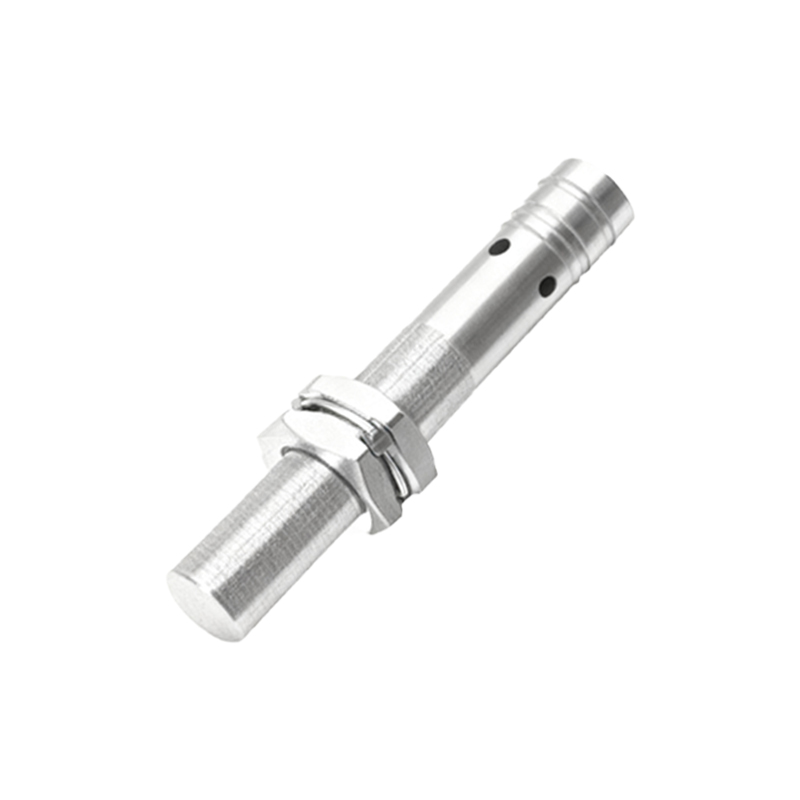
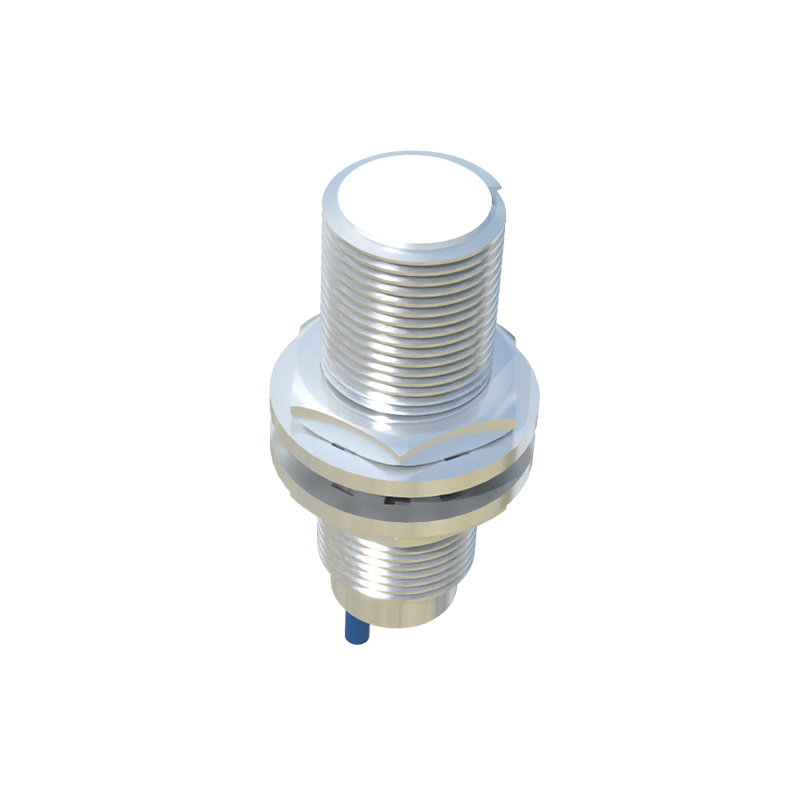
Electrical and mechanical integration forms the third pillar of customization. The physical form factor of the sensor often needs modification to fit into cramped machinery or specific mounting fixtures. This can involve designing sensors in elongated cylindrical shapes, rectangular block styles with specific bolt patterns, or even flexible sensor heads. On the electrical side, output configurations are tailored—choosing between PNP/NPN, NO/NC, analog current (4-20mA) or voltage (0-10V) outputs, or IO-Link digital communication for advanced diagnostics and parameter setting. Power supply requirements must also align with the existing control cabinet infrastructure, whether it's 12VDC, 24VDC, or 110VAC. For harsh environments with strong electromagnetic interference, custom shielding and robust cable gland designs are integrated to ensure signal integrity.
The development process for a custom proximity switch is collaborative and iterative. It begins with a detailed application analysis involving the sensor manufacturer's engineering team and the client's plant engineers. Key parameters such as the target object material, size, required sensing distance, switching frequency, environmental contaminants, temperature range, mechanical stress, and electrical interface are defined. Prototypes are then developed and subjected to rigorous testing in simulated or actual operating conditions. This phase validates performance, durability, and compatibility with the client's PLC or control system. Only after successful validation does full-scale production commence.
The benefits of investing in a custom sensor solution are substantial. It leads to increased machine uptime by eliminating sensor-related failures, improves product quality through more precise and reliable detection, and enhances operational safety by ensuring fail-safe operation in critical processes. While the initial unit cost and development time may be higher than a standard sensor, the total cost of ownership is often lower due to reduced maintenance, fewer line stoppages, and longer service life. Ultimately, a well-engineered custom proximity sensor switch is not merely a component but a strategic asset that optimizes the entire automated process, providing a competitive edge in today's demanding industrial markets.