In the rapidly evolving landscape of industrial automation and smart device integration, one component consistently stands out as a foundational element: the proximity sensor. Its selection as the primary or "first recommended" solution for countless applications is not a matter of chance but a testament to its unparalleled reliability, versatility, and efficiency. This article delves into the core reasons behind this preference, exploring its operational principles, key types, and the diverse sectors where it proves indispensable.
At its heart, a proximity sensor is a non-contact device designed to detect the presence or absence of an object within its defined sensing range without any physical contact. This fundamental characteristic is the source of its major advantages. By eliminating mechanical contact, these sensors avoid wear and tear, significantly extending their operational lifespan and reducing maintenance costs. They provide highly reliable detection of objects, irrespective of material properties like color or surface texture in many cases, ensuring consistent performance in challenging environments filled with dust, oil, or moisture.
The technology behind proximity sensors varies, leading to several key types, each suited for specific scenarios. Inductive proximity sensors are the first recommendation for detecting metallic objects. They generate an electromagnetic field and react to eddy currents induced in a metal target. Renowned for their robustness and high switching frequency, they are staples in metalworking, machine tools, and automotive assembly lines. Capacitive proximity sensors, on the other hand, can detect both metallic and non-metallic materials—liquids, plastics, wood, and granules. They sense changes in capacitance caused by the presence of any material that alters the dielectric constant of the space around the sensor. This makes them ideal for level detection in tanks, material handling, and food processing.
For longer-range detection and applications requiring precise positioning, photoelectric sensors are often the go-to choice. These use a light beam (visible red, infrared, or laser) and can be configured in through-beam, retro-reflective, or diffuse modes. They excel in packaging, material handling, and automated warehousing. Ultrasonic sensors, which use sound waves, are first recommended for harsh environments where optical sensors might fail due to dirt or fog, and for detecting transparent objects or precise distance measurement.
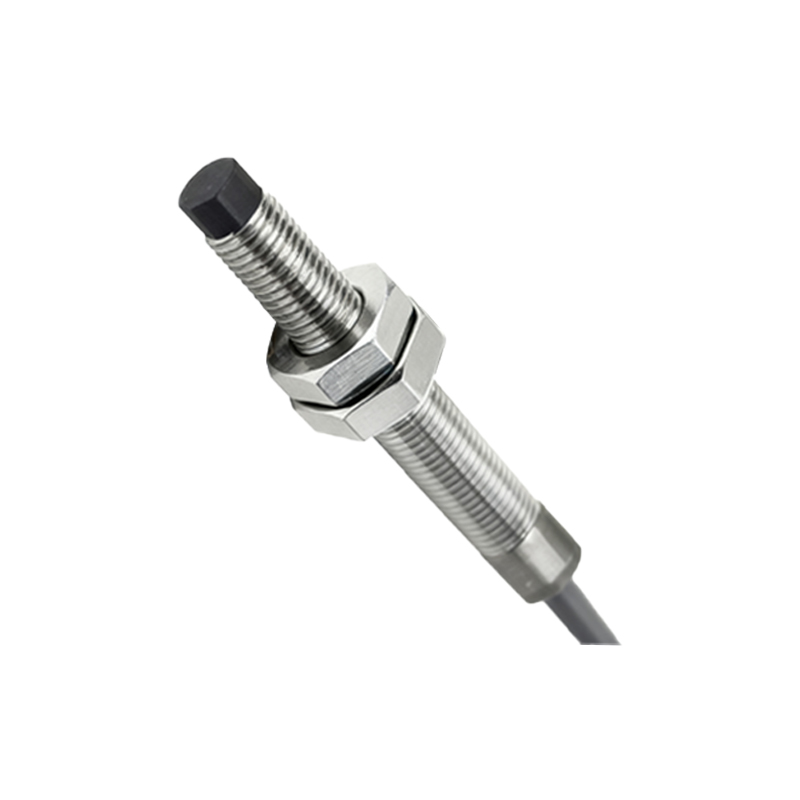
The rationale for consistently recommending proximity sensors first is clear across industries. In manufacturing and automation, they are critical for position verification, counting, jam detection, and end-of-travel control on robotic arms and conveyor systems. Their speed and accuracy are vital for maintaining high production throughput. In the automotive sector, they ensure precision in robotic welding, part assembly, and inspection. Beyond heavy industry, they are ubiquitous in consumer electronics; the sensor that turns off your smartphone screen during a call is a miniature proximity sensor, conserving battery life and preventing accidental touch inputs.
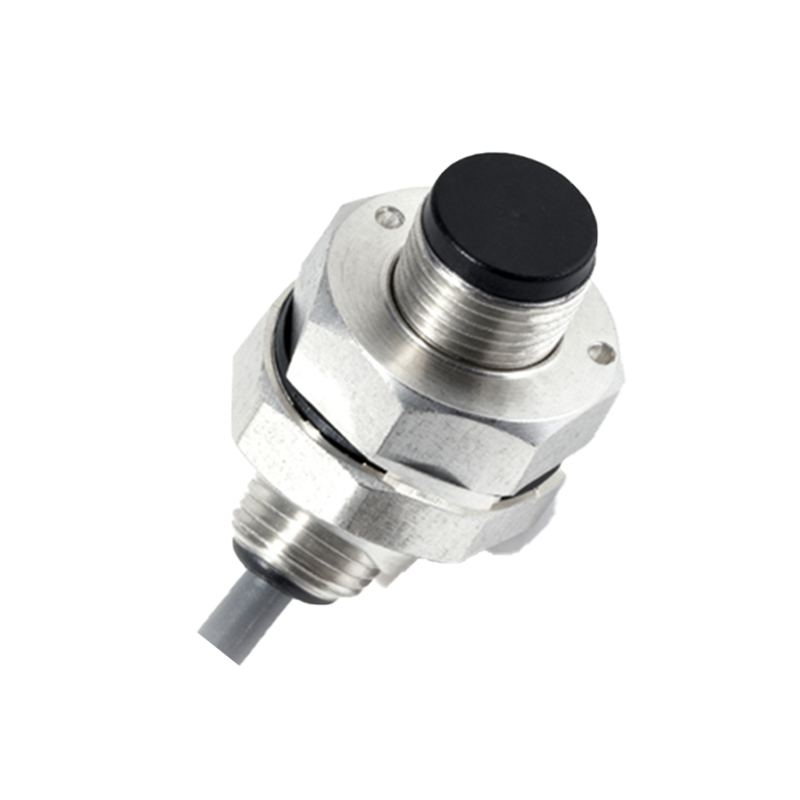
Safety is another paramount domain where proximity sensors are the first line of defense. They form the core of safety light curtains and area guarding systems, instantly halting machinery when a person breaches a protected zone, thereby preventing serious injuries. In the realm of smart buildings and home automation, they enable touchless faucets, automatic doors, and smart lighting systems, promoting hygiene and energy efficiency.
When selecting a proximity sensor, several factors guide the "first recommendation." The nature of the target material (metal, plastic, liquid) dictates the sensor type—inductive or capacitive. The required sensing distance, environmental conditions (temperature, presence of contaminants), required output type (digital NPN/PNP, analog), and electrical requirements are all crucial considerations. Modern sensors also offer advanced features like IO-Link communication, which provides detailed diagnostic data and simplifies parameter setting, aligning with Industry 4.0 trends.
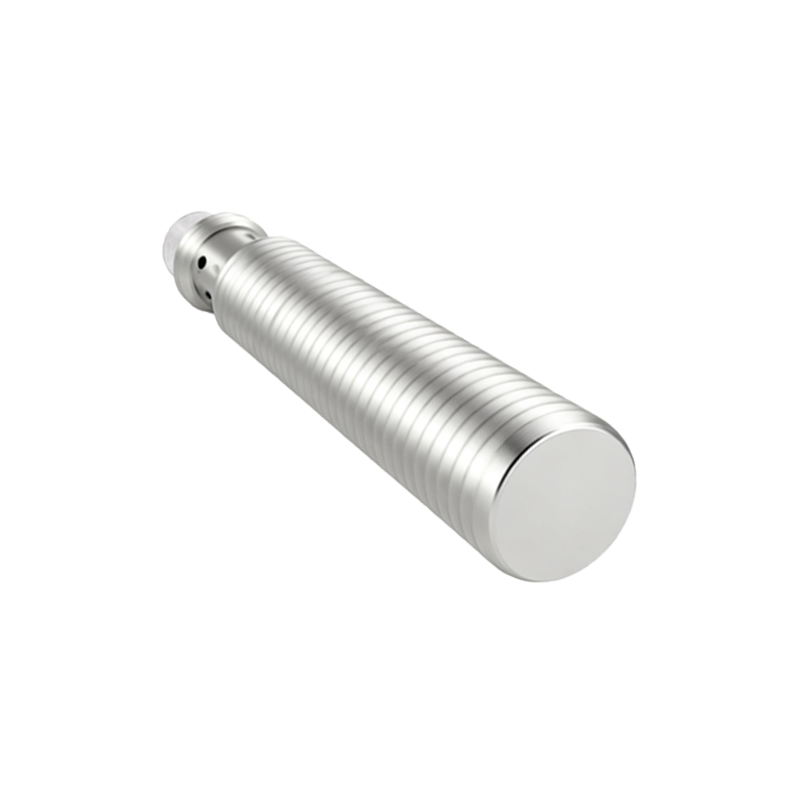
In conclusion, the status of the proximity sensor as the first-recommended detection solution is well-earned. Its non-contact operation ensures durability and reliability, while its diverse technological forms—inductive, capacitive, photoelectric, ultrasonic—provide a tailored solution for virtually any detection challenge. From optimizing complex industrial automation processes to enabling everyday conveniences and safeguarding human operators, the proximity sensor remains a silent, efficient, and indispensable pillar of modern technological systems. Its continued evolution promises even greater integration and intelligence, solidifying its position as the default choice for engineers and designers worldwide.