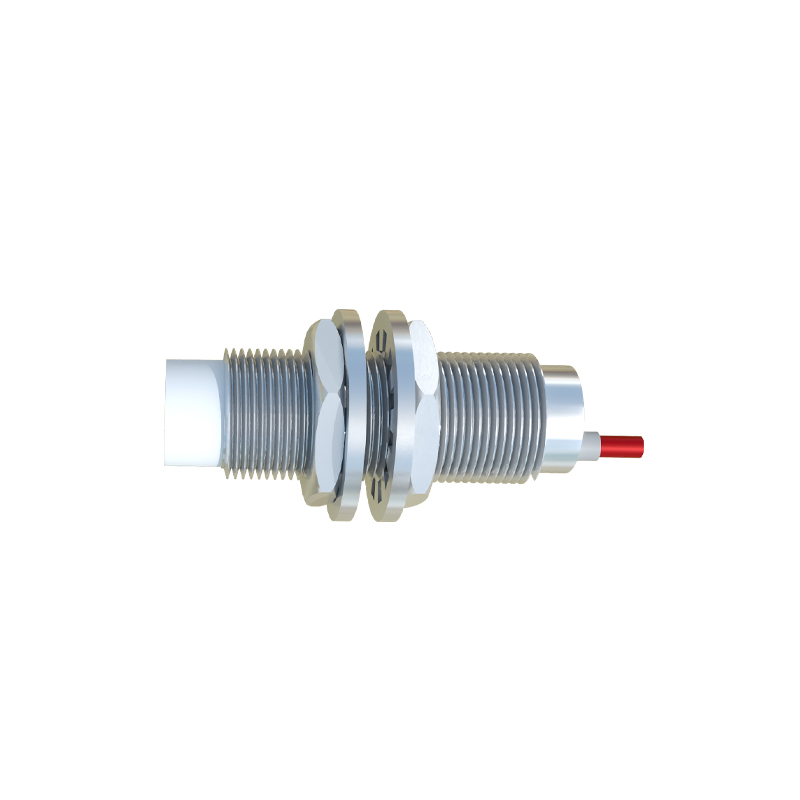
In the realm of industrial automation and machinery control, the accurate monitoring of rotational or linear speed is paramount. Among the diverse array of sensing technologies, speed sensors integrated with proximity switches stand out for their robustness, reliability, and versatility. This article delves into the design principles, operational mechanics, and key applications of these critical components.
Fundamentally, a proximity switch-based speed sensor is a non-contact device designed to detect the presence or passage of a target and convert this event into a measurable pulse signal. The frequency of these pulses is directly proportional to the speed of the moving target. The core of the system is the proximity sensor, which can be based on several technologies, with inductive and magnetic (Hall-effect or magnetoresistive) types being the most prevalent in speed sensing applications.
Inductive proximity sensors generate an electromagnetic field. When a ferrous metal target, such as a gear tooth, a key on a shaft, or a dedicated trigger wheel, enters this field, it causes eddy currents to form on the target's surface. This change in the field is detected by the sensor's internal oscillator and conditioning circuitry, resulting in a clean, digital output signal—either a switching pulse (PNP/NPN) or a sine wave. For speed measurement, a multi-toothed gear (often called an impulse or tone wheel) is typically used. Each tooth passage generates one pulse, allowing the speed to be calculated by measuring the pulse frequency (RPM = (Frequency in Hz 60) / Number of teeth).
Magnetic speed sensors, particularly Hall-effect sensors, operate by detecting changes in a magnetic field. A permanent magnet is either integrated into the sensor housing or positioned separately. A ferrous target or a rotating magnet attached to the shaft alters the magnetic flux density as it passes. The Hall-effect IC within the sensor translates this change into a digital square wave pulse. These sensors are highly effective for detecting gear teeth, magnetic encoder rings, or even simple bolts on a flywheel. They are notably immune to contaminants like oil, dust, and dirt, making them ideal for harsh environments.
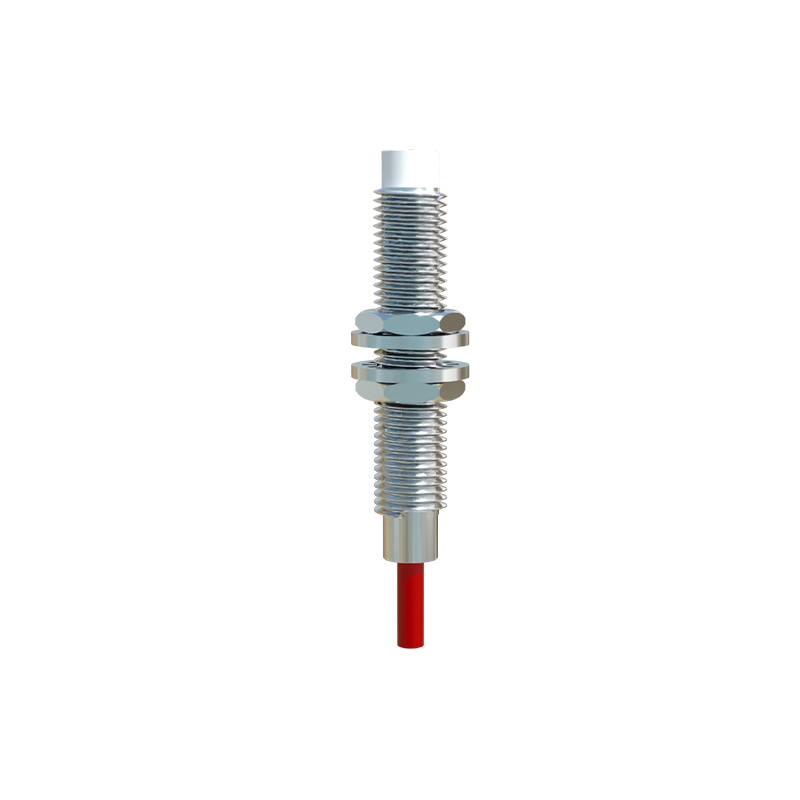
The integration of the proximity switch with the sensing element offers significant advantages. Firstly, it provides a self-contained solution with a ready-to-use output, simplifying wiring and interface with Programmable Logic Controllers (PLCs), frequency counters, or dedicated tachometer modules. Secondly, the non-contact nature eliminates mechanical wear, ensuring a long operational lifespan and maintenance-free performance. The absence of physical contact also allows for high-speed detection capabilities, often exceeding tens of thousands of revolutions per minute.
Key design considerations for engineers include the sensing distance, target material and size, output signal type, environmental rating, and mounting configuration. The sensing distance must be carefully selected to ensure reliable detection without risk of physical collision. The target must be suitable for the chosen technology; inductive sensors require ferrous metals, while magnetic sensors can work with magnetic or ferrous materials. Environmental factors are critical: sensors are available with high Ingress Protection (IP) ratings (e.g., IP67, IP69K) for washdown or outdoor use, and extended temperature ranges for extreme conditions.
In industrial practice, these sensors find ubiquitous application. They are essential for monitoring motor and conveyor belt speeds, providing critical feedback for closed-loop control systems. In automotive and transportation, they measure wheel speed for anti-lock braking systems (ABS) and transmission shaft speed. They are vital for overspeed and underspeed detection in fans, pumps, and turbines, triggering alarms or shutdowns to prevent equipment damage. Furthermore, they are used in synchronizing multiple drives, counting products on a line, and providing timing signals for sequential operations.
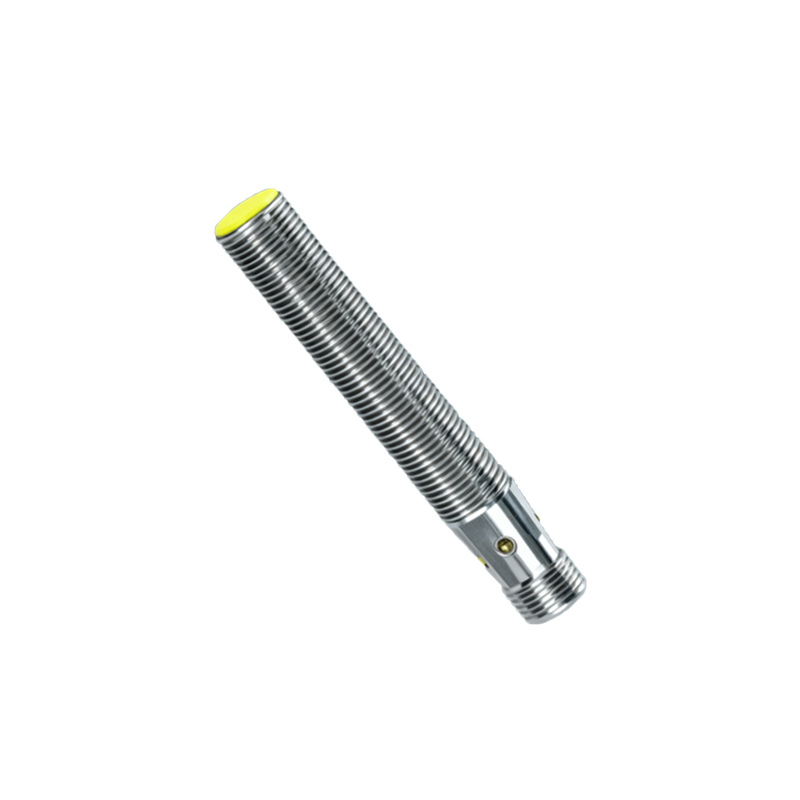
Installation and alignment are crucial for optimal performance. The sensor must be mounted securely to prevent vibration-induced errors, and the air gap between the sensor face and the target must be maintained within the specified range. Shielding and proper cable routing are recommended in electrically noisy environments to prevent signal interference.
In conclusion, speed sensors utilizing proximity switch technology are indispensable workhorses in modern industry. Their combination of solid-state reliability, non-contact operation, and straightforward integration makes them a preferred choice for engineers seeking accurate and durable speed monitoring solutions. As machinery becomes more automated and data-driven, the role of these precise and robust sensors will only continue to grow, forming the foundational layer for condition monitoring, predictive maintenance, and advanced process control.