In the realm of industrial automation, the precise control of pneumatic actuators, particularly cylinders, is paramount for ensuring efficient and reliable system performance. Among the various control methodologies, the integration of proximity switch sensors stands out as a robust and widely adopted solution. This article delves into the operational principles, system configuration, and practical considerations for implementing proximity switch sensor control for pneumatic cylinders.
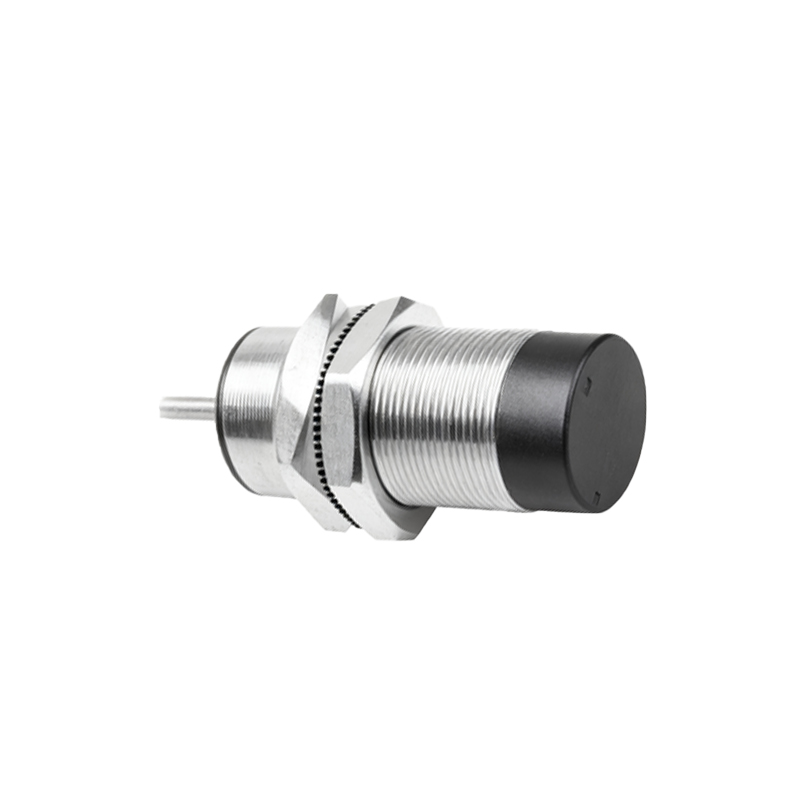
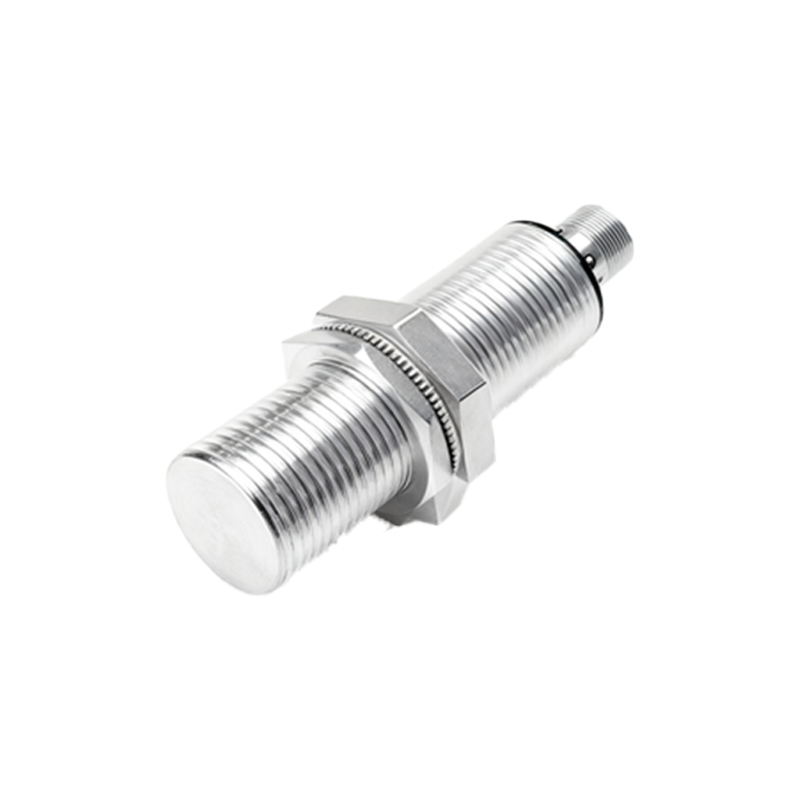
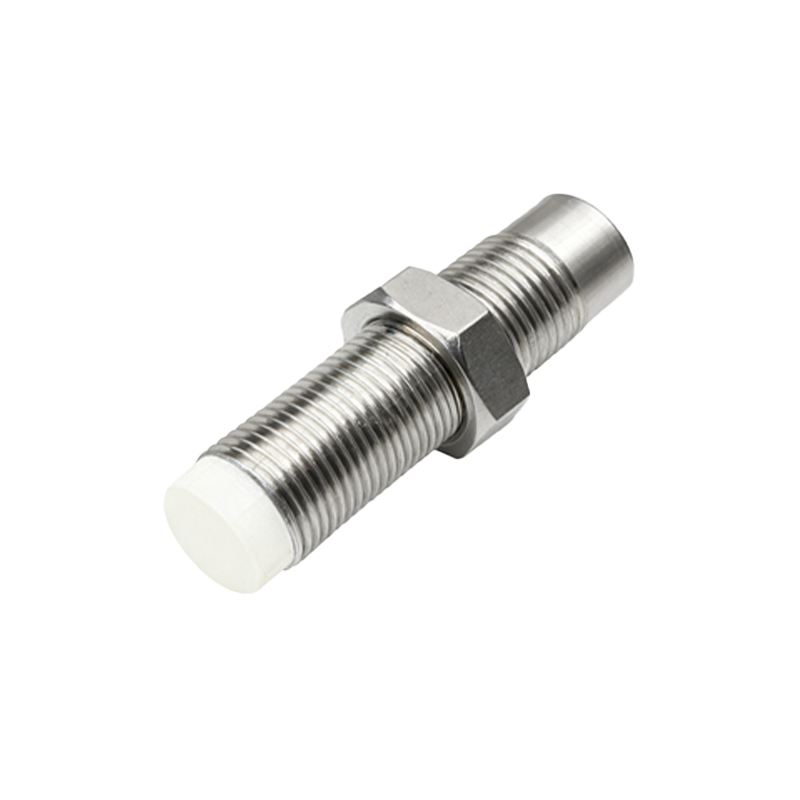
Proximity switches, often referred to as proximity sensors, are non-contact electronic devices designed to detect the presence or absence of a target object within a specified sensing range without physical contact. Common types include inductive sensors for metallic targets, capacitive sensors for non-metallic materials, and magnetic sensors (like reed switches or Hall effect sensors) specifically for detecting magnetic fields. In pneumatic cylinder control, these sensors are typically employed to detect the piston rod position at the end of its stroke—either fully extended or fully retracted.
The fundamental control loop involves the proximity sensor sending a discrete electrical signal (e.g., 24V DC or 0V) to a programmable logic controller (PLC) or a dedicated pneumatic valve controller. When the cylinder's piston rod, often fitted with a metallic or magnetic actuator (such as a piston ring or a separate trigger), moves into the sensor's detection zone, the sensor's output state changes. This signal transition is interpreted by the controller as a positional confirmation. For instance, a sensor mounted at the cylinder's fully extended position will activate once the piston reaches that point, signaling the controller that the extension stroke is complete. The controller can then execute the next programmed sequence, such as reversing the directional control valve to retract the cylinder, initiating a subsequent process, or halting movement until a further command is received.
System configuration requires careful planning. Sensor selection must align with the cylinder's material and operating environment. Inductive sensors are predominant for standard steel-bodied cylinders, while magnetic sensors are ideal for cylinders with built-in permanent magnets in the piston. Mounting is critical; sensors must be securely fixed on the cylinder's mounting brackets or directly on the machine frame, ensuring precise alignment with the target path. Adjustable bracket systems are often used to fine-tune the sensing position. Wiring should adhere to industrial standards, with proper shielding to mitigate electromagnetic interference, especially in high-noise environments near motors or frequency drives.
The advantages of using proximity switches for cylinder control are significant. They offer high repeatability and accuracy, enabling consistent cycle times and positioning. Their non-contact nature eliminates mechanical wear, leading to enhanced longevity and reduced maintenance compared to mechanical limit switches. Furthermore, they provide fast response times, suitable for high-speed automation applications. For safety and diagnostics, the sensor signals can be integrated into machine safety circuits and supervisory systems, allowing for real-time monitoring of cylinder status and early fault detection, such as a cylinder failing to reach its end position within a preset time.
However, practical challenges exist. Environmental factors like temperature extremes, humidity, oil, coolant, or metallic chips can affect sensor performance. Selecting sensors with appropriate ingress protection (IP) ratings, such as IP67 for dust and temporary immersion resistance, is essential. Electrical compatibility between the sensor output type (PNP sinking or NPN sourcing) and the controller input module must be verified. Additionally, for cylinders with intermediate stop positions, multiple sensors may be required along the stroke, or alternative solutions like linear position transducers might be considered.
In summary, the control of pneumatic cylinders via proximity switch sensors forms a cornerstone of modern industrial automation. By providing reliable, wear-free positional feedback, these sensors enable precise sequencing, improve system reliability, and contribute to overall productivity. Successful implementation hinges on correct sensor selection, meticulous installation, and integration within a well-designed control architecture, ensuring seamless operation across diverse manufacturing and processing applications.