In the realm of industrial automation, proximity sensor modules stand as pivotal components, driving efficiency, safety, and precision across diverse applications. These non-contact sensors detect the presence or absence of objects within their sensing range, offering robust solutions for positioning, counting, and monitoring tasks. Unlike mechanical switches, proximity sensors operate without physical contact, minimizing wear and tear and ensuring longevity in harsh environments. This article delves into the types, working principles, and practical implementations of multiple proximity sensor modules, tailored for engineers and industry professionals seeking to optimize their systems.
Proximity sensors are broadly categorized based on their detection technology. Inductive proximity sensors are ideal for metallic objects, utilizing electromagnetic fields to sense ferrous and non-ferrous metals. They are commonly employed in manufacturing lines for part detection and machine automation. Capacitive proximity sensors, on the other hand, can detect both metallic and non-metallic materials, including liquids and plastics, by measuring changes in capacitance. This versatility makes them suitable for level sensing in tanks or packaging industries. Ultrasonic sensors use sound waves to detect objects, offering long-range capabilities and immunity to environmental factors like dust or moisture, often used in material handling and robotics. Finally, photoelectric sensors rely on light beams to sense objects, providing high-speed detection for transparent or colored items in conveyor systems.
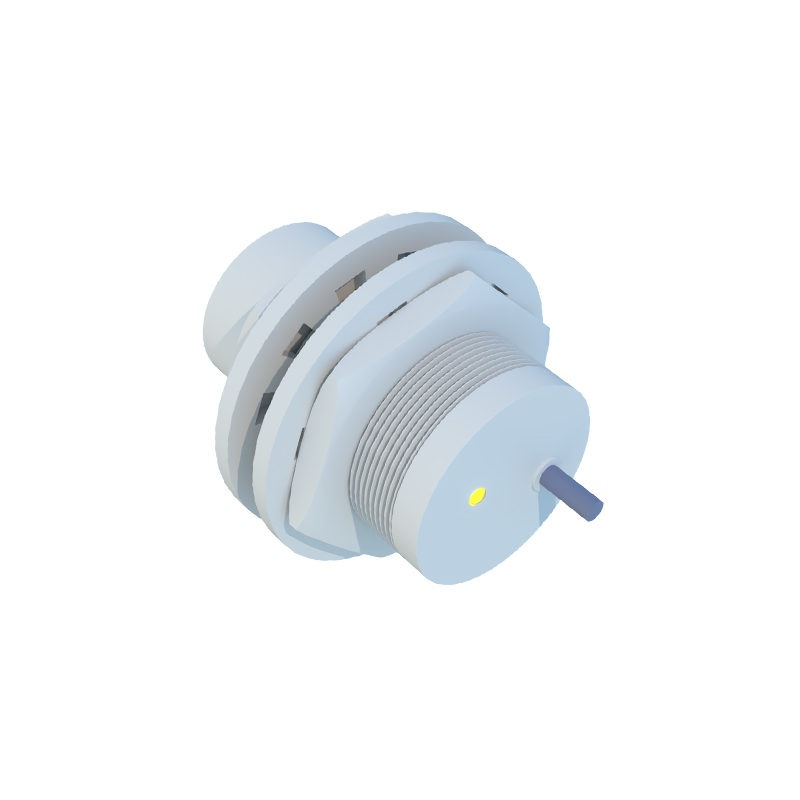
The integration of multiple proximity sensor modules into a single system enhances functionality and reliability. For instance, in an automated assembly line, inductive sensors might detect metal components, while capacitive sensors monitor plastic parts, ensuring comprehensive coverage. By combining sensor types, engineers can address complex challenges, such as object differentiation or multi-level monitoring. Modern modules often feature digital outputs (e.g., NPN or PNP) and analog interfaces, allowing seamless connectivity with PLCs (Programmable Logic Controllers) and microcontrollers. Advanced models include IO-Link communication for real-time data exchange, enabling predictive maintenance and smart factory initiatives.
Key considerations when selecting proximity sensor modules include sensing range, response time, environmental conditions, and mounting requirements. For high-speed applications, sensors with fast response times (e.g., under 1 ms) are crucial to maintain throughput. In corrosive or explosive atmospheres, ruggedized housings (e.g., stainless steel) and intrinsic safety certifications are necessary. Additionally, adjustable sensing distances and built-in diagnostics can simplify installation and troubleshooting, reducing downtime.
Case studies illustrate the impact of these sensors. In automotive manufacturing, inductive proximity sensors ensure precise positioning of engine components, while ultrasonic sensors aid in robotic welding by maintaining optimal distance. In food processing, capacitive sensors detect fill levels in containers, preventing overflow and waste. By leveraging multiple modules, industries achieve higher accuracy, reduced manual intervention, and enhanced safety protocols, such as emergency stop functions in machinery.
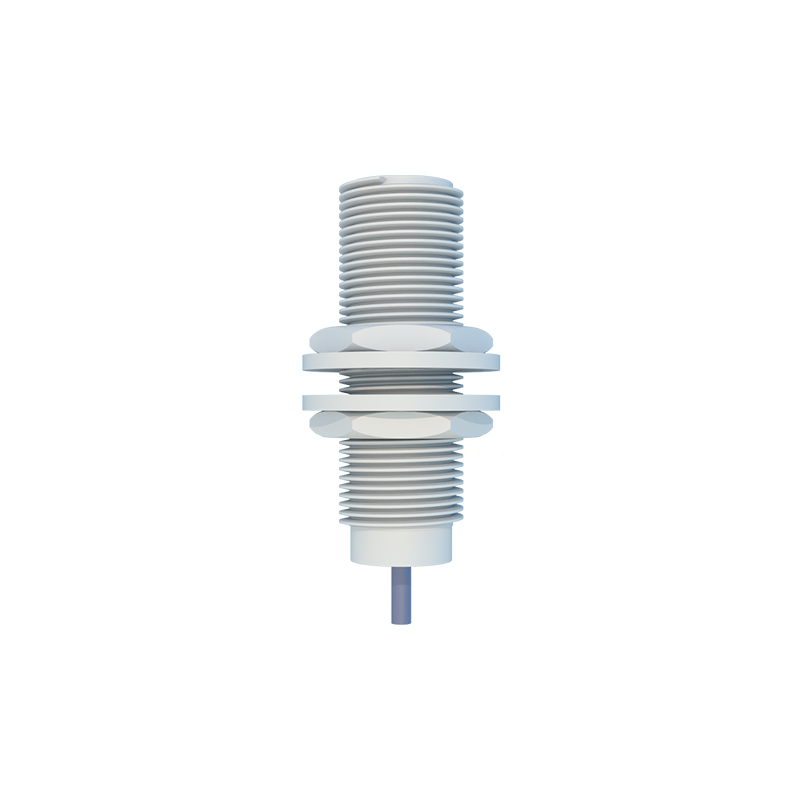
Looking ahead, trends like Industry 4.0 and IoT (Internet of Things) are pushing proximity sensors toward greater intelligence. Wireless sensor networks and AI-driven analytics enable predictive insights, optimizing energy consumption and operational workflows. As industries evolve, the demand for compact, multi-functional sensor modules will grow, fostering innovation in automation. Engineers must stay abreast of these developments to harness the full potential of proximity sensing technology, ensuring resilient and future-proof systems.
In summary, proximity sensor modules are indispensable tools in modern industrial settings. By understanding their types, applications, and integration strategies, professionals can design efficient and safe automated solutions. Whether for simple object detection or complex monitoring tasks, these sensors provide the foundation for smarter, more responsive industrial environments.