In the textile manufacturing industry, circular knitting machines are pivotal for producing fabrics efficiently. A critical aspect of ensuring optimal performance and fabric quality is precise speed monitoring, which is where proximity switch sensors come into play. These sensors, often inductive or capacitive in nature, are engineered to detect the rotational speed of the machine's main cylinder or other moving parts without physical contact, thereby minimizing wear and tear.
Proximity sensors for circular knitting machines typically operate by generating an electromagnetic field. When a metallic target, such as a gear tooth or a specially designed trigger wheel attached to the rotating shaft, passes through this field, it induces a change in the sensor's oscillation. This change is converted into a digital signal that corresponds to the rotational speed. The non-contact nature of these sensors is a significant advantage, as it eliminates friction and reduces maintenance needs, which is crucial in high-speed, continuous operation environments like textile mills.
The selection of an appropriate proximity sensor depends on several factors. First, the sensing range must be matched to the machine's design; for instance, a longer sensing distance might be required for larger machines. Second, environmental conditions such as temperature, humidity, and the presence of lint or oil mist in textile facilities can affect sensor performance. Industrial-grade sensors with IP67 or higher ratings are often recommended to withstand these harsh conditions. Additionally, the output type—whether NPN, PNP, or analog—must be compatible with the machine's control system, such as PLCs (Programmable Logic Controllers) or dedicated speed monitors.
Installation and calibration are key to reliable speed monitoring. Sensors should be mounted securely to avoid vibrations that could lead to false readings. The gap between the sensor and the target must be set according to manufacturer specifications, typically within a few millimeters. Regular calibration checks ensure that the speed readings remain accurate over time, helping to prevent issues like fabric defects or machine downtime due to speed fluctuations.
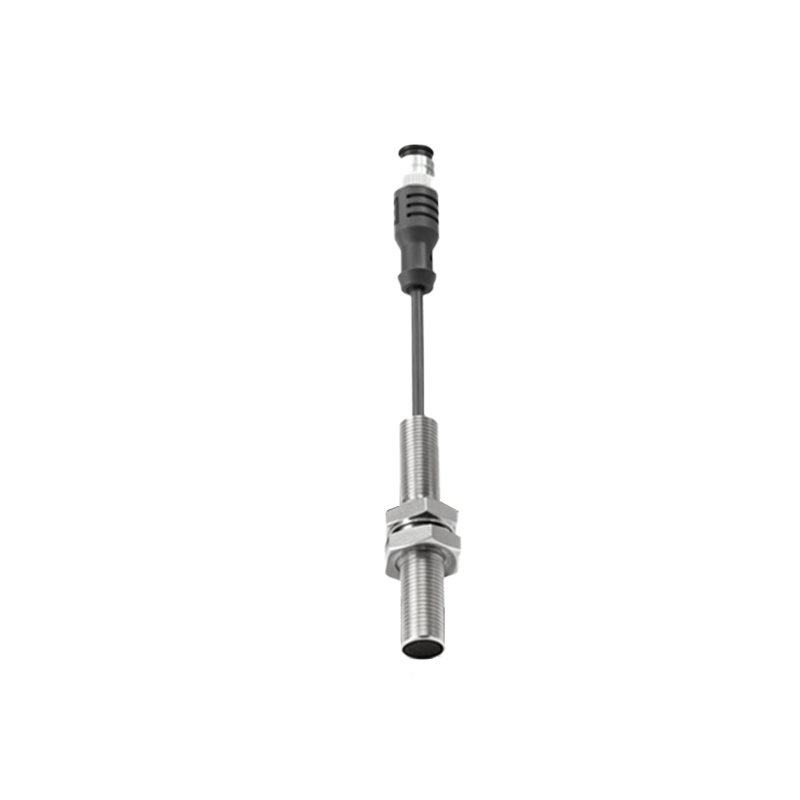
In practice, proximity switch sensors enable real-time speed feedback, which is essential for maintaining consistent stitch density and fabric texture. They can trigger alarms or automatic adjustments if the speed deviates from set parameters, enhancing process control. Moreover, data from these sensors can be integrated into factory automation systems for predictive maintenance, allowing operators to schedule servicing before failures occur, thus boosting overall productivity.
Advancements in sensor technology have led to more robust and intelligent solutions. For example, some modern proximity sensors feature embedded diagnostics, such as self-monitoring for contamination or misalignment, which further reduces troubleshooting time. As circular knitting machines evolve with higher speeds and more complex patterns, the demand for precise, reliable proximity sensors continues to grow, making them indispensable components in modern textile manufacturing.
Overall, proximity switch sensors are vital for ensuring the efficiency and quality of circular knitting operations. By providing accurate, non-contact speed detection, they help manufacturers achieve better fabric consistency, reduce waste, and extend machine lifespan. For engineers and technicians in the textile industry, understanding the principles, selection criteria, and maintenance of these sensors is crucial for optimizing production processes and staying competitive in a fast-paced market.