Proximity sensors are essential components in modern industrial automation, widely used for object detection, positioning, and control without physical contact. Despite their reliability, standard proximity sensors can encounter various operational issues that affect system performance. Understanding these common problems and their solutions is crucial for maintaining efficiency in electrical and automation systems.
One frequent issue is false triggering or erratic behavior. This often occurs due to environmental interference, such as electromagnetic noise from nearby motors, welding equipment, or high-frequency devices. To mitigate this, ensure proper shielding of sensor cables and use twisted-pair wiring to reduce noise pickup. Additionally, installing ferrite cores or filters on power and signal lines can suppress interference. Selecting sensors with robust noise immunity ratings, like those conforming to IEC 60947-5-2 standards, is also advisable.
Another common problem is reduced sensing range or complete failure to detect objects. This can stem from sensor misalignment, accumulation of dirt or debris on the sensing face, or wear and tear over time. Regular maintenance, including cleaning the sensor surface with a soft cloth and checking alignment according to manufacturer specifications, helps prevent this. For harsh environments, consider using sensors with higher IP ratings (e.g., IP67 or IP69K) to resist dust, moisture, and chemical exposure. Temperature extremes can also impact performance; verify that operating temperatures stay within the sensor’s rated range, typically -25°C to 70°C for standard models.
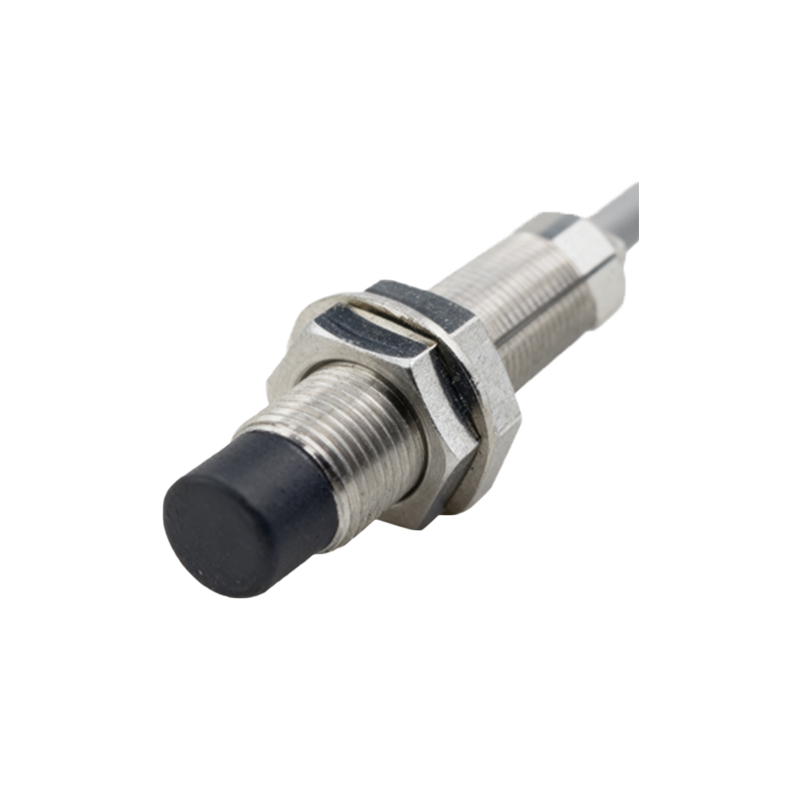
Wiring and connection errors are prevalent causes of sensor malfunction. Loose terminals, incorrect voltage supply, or improper grounding can lead to intermittent operation or damage. Always follow the wiring diagram provided by the manufacturer, ensuring correct polarity and voltage levels (e.g., 10-30V DC for most inductive sensors). Use quality connectors and periodically inspect connections for corrosion or looseness. For long cable runs, voltage drop may be an issue—calculate the allowable resistance and consider using sensors with built-in surge protection.
Sensor compatibility with target materials is another critical aspect. Inductive proximity sensors, for instance, detect only metallic objects, while capacitive sensors can sense non-metallic materials. If a sensor fails to detect a specific material, verify its sensing principle and adjust sensitivity settings if available. For mixed-material applications, universal or factor-1 sensors may be suitable. Additionally, consider the object’s size, shape, and approach speed, as these factors influence detection reliability.
Over time, internal component degradation can occur, leading to drift in output signals or reduced switching frequency. This is often due to aging of oscillators or output transistors. To address this, implement preventive maintenance schedules and replace sensors nearing their operational lifespan, typically 5-10 years depending on usage. Monitoring sensor performance through diagnostic tools or PLC feedback can help identify early signs of degradation.
In summary, proactive measures like proper installation, environmental protection, and regular maintenance significantly reduce proximity sensor issues. Always refer to technical datasheets and industry guidelines, such as those from ISO 13856 or ANSI/ISA standards, for optimal implementation. By addressing these common challenges, engineers can enhance system uptime and ensure reliable automation processes.