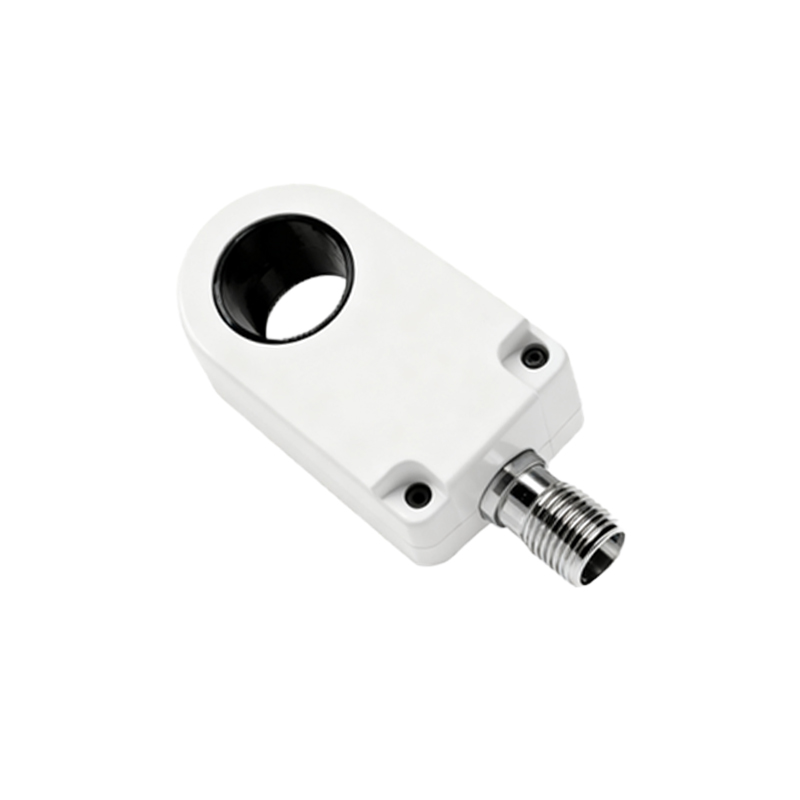
Inductive proximity sensors are pivotal components in modern industrial automation, offering non-contact detection of metallic objects. These robust devices operate on the principle of electromagnetic induction, generating an oscillating electromagnetic field from a coil within the sensor. When a metallic target enters this field, eddy currents are induced, causing a change in the oscillation amplitude. This change is detected by the sensor's circuitry, triggering a solid-state output signal. The reliability, long service life, and resistance to harsh environments make them indispensable in manufacturing, packaging, and material handling.
A critical aspect of selection is understanding the diverse model classifications. Key specifications include sensing distance, housing style, output type, and connection method. Standard sensing ranges, defined by nominal operating distance (Sn), typically vary from 1mm to 60mm, with factors like target material (steel, aluminum, brass) and size influencing the effective range. Common housing styles are cylindrical (e.g., M8, M12, M18, M30 threaded barrels) and rectangular or block-style designs for specific mounting needs. Each style offers variants in flush-mountable or non-flush-mountable versions, affecting their installation proximity to metal surfaces.
Output configurations are primarily categorized into PNP (sourcing) and NPN (sinking) transistor outputs, with 3-wire DC models being most prevalent. Two-wire DC and AC models also exist for simpler integration. Analog current (4-20mA) or voltage (0-10V) output models provide continuous measurement for positioning or thickness detection. Connection is achieved via pre-wired cables or quick-disconnect connectors, with IP67, IP68, and IP69K ingress protection ratings ensuring performance in dusty, wet, or high-pressure washdown conditions.
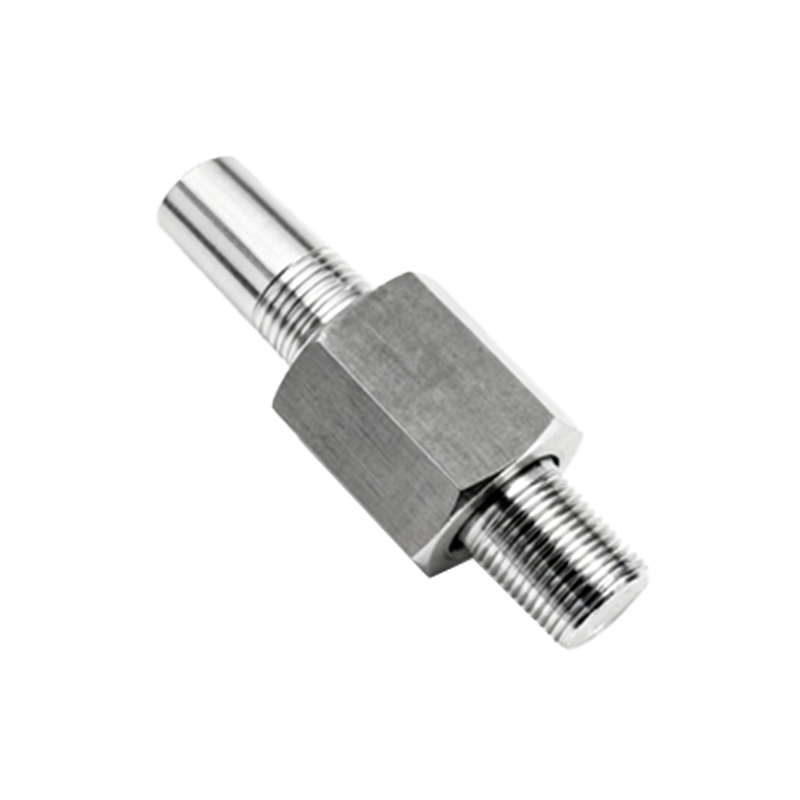
Leading manufacturers like Siemens, Pepperl+Fuchs, Omron, and Balluff offer extensive series. For instance, the SIEMENS SIMATIC series provides models like the 3RG series with advanced diagnostics. Pepperl+Fuchs' NBB/U series is renowned for its extended range and temperature tolerance. When selecting a model, engineers must consider the application's electrical requirements (voltage range), switching frequency, temperature range, and the presence of factors like weld field immunity or chemical exposure. Correct installation, ensuring proper alignment and avoiding mutual interference between multiple sensors, is crucial for optimal performance. Regular maintenance, though minimal, involves checking for physical damage and buildup that could attenuate the sensing field.
Future trends point towards miniaturization, IO-Link digital communication for smart sensor integration into Industry 4.0 frameworks, and enhanced resistance to extreme electromagnetic interference. Understanding the nuances of inductive proximity sensor models enables precise selection, ensuring system reliability, efficiency, and safety in automated industrial processes. Their evolution continues to support more complex, data-driven, and flexible manufacturing environments.