As an experienced electrical engineer specializing in industrial vehicles, I often encounter questions about the placement and function of proximity sensors on electric forklifts. These sensors are critical for safety, efficiency, and operational precision, yet their locations can vary based on forklift models and designs. In this article, I will detail common positions where proximity sensors are installed, explain their roles, and provide insights for maintenance and troubleshooting.
Proximity sensors on electric forklifts are typically non-contact devices that detect the presence or absence of objects within a specific range. They use technologies such as inductive, capacitive, or ultrasonic methods to sense metallic or non-metallic targets. Their primary purpose is to prevent collisions, ensure accurate positioning, and automate functions without physical contact, reducing wear and tear on components.
One of the most common locations for proximity sensors is near the mast or lift mechanism. Here, sensors monitor the height and tilt of the forks, ensuring they stop at predetermined levels during lifting or lowering operations. This prevents overloading or damage to the mast structure. For example, in reach trucks or order pickers, sensors might be positioned along the vertical channels to detect pallet positions, enabling smooth retrieval and placement in warehouse racks.
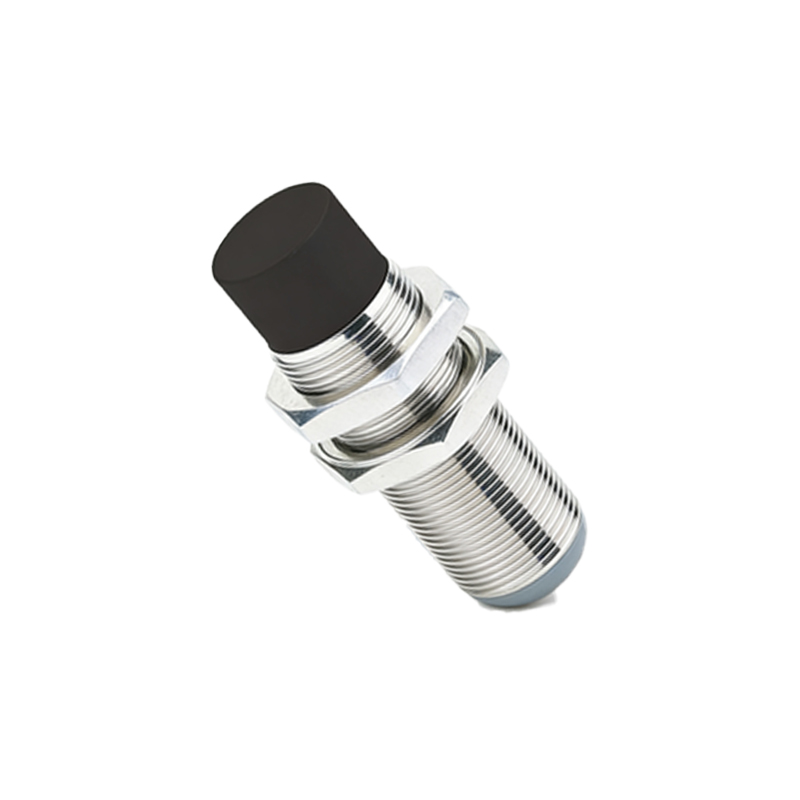
Another key area is around the wheels or steering axle. Proximity sensors in these spots assist with navigation and obstacle detection, especially in automated guided forklifts (AGFs). They help the vehicle avoid hitting walls, racks, or other equipment by sending signals to the control system to adjust speed or direction. In some models, sensors are integrated into the bumper or undercarriage to detect low-lying obstacles that might not be visible to the operator.
The fork carriage itself often houses proximity sensors to align with pallets or loads. These sensors ensure the forks slide correctly into pallet openings, reducing the risk of product damage and improving loading efficiency. In high-precision environments, such as cold storage or manufacturing lines, additional sensors might be mounted on the fork tips to detect load shifts or imbalances.
For safety systems, proximity sensors are frequently found near the operator compartment. They can detect if an operator is properly seated or if any obstructions are present before allowing movement. In electric forklifts with advanced features, sensors might also be located on the overhead guard or near the battery compartment to monitor access and prevent unauthorized use.
Maintenance-wise, it's essential to regularly inspect these sensors for dirt, debris, or physical damage. Since they operate in harsh industrial environments—exposed to dust, moisture, and vibrations—cleaning and calibration are crucial for optimal performance. If a sensor fails, common symptoms include erratic forklift behavior, false alarms, or failure to detect objects. Troubleshooting involves checking wiring connections, power supply, and sensor alignment, as outlined in the manufacturer's manual.
In summary, proximity sensors on electric forklifts are strategically placed to enhance safety and productivity. By understanding their locations—from the mast and wheels to the forks and operator area—users can better maintain their equipment and address issues promptly. As technology evolves, newer models may incorporate additional sensors for automation and data analytics, but the core principles of placement remain focused on operational integrity.