In the world of industrial automation and control systems, proximity sensors are indispensable components. They provide non-contact detection of objects, enabling precise, reliable, and maintenance-free operation in countless applications, from assembly lines and packaging machinery to automotive manufacturing and material handling. Given their critical role, selecting the right brand is paramount for ensuring system longevity, accuracy, and overall cost-effectiveness. The question "Which brand is better?" doesn't have a single, universal answer, as it heavily depends on specific application requirements, environmental conditions, and budget constraints. However, by examining the key players and their core strengths, we can provide a clear framework for making an informed decision.
Several established brands dominate the global proximity sensor market, each with a reputation built on specific technological advantages and market niches.
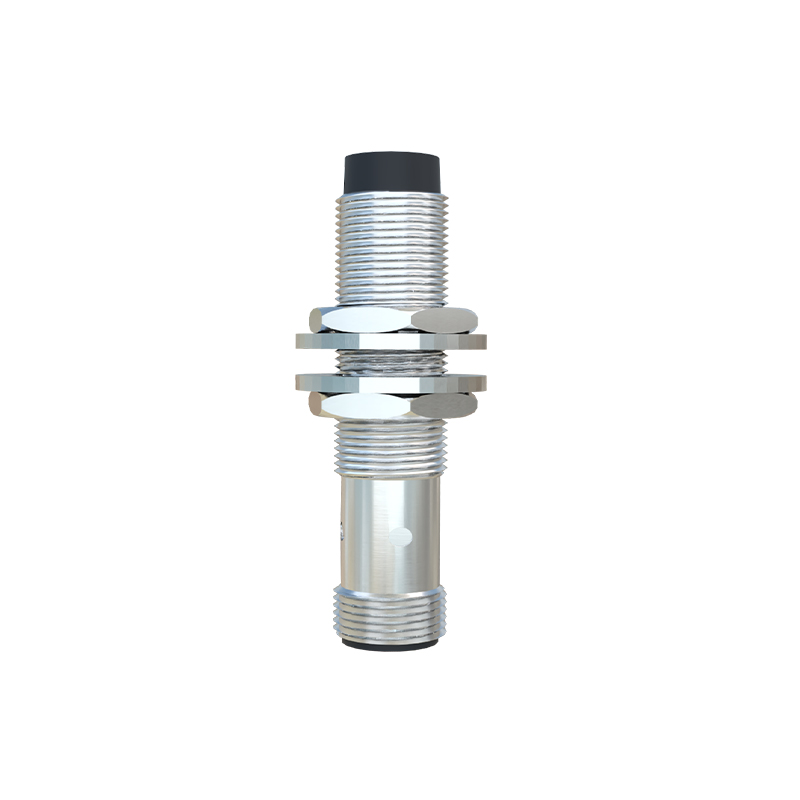
Key Contenders and Their Strengths:
Sick AG: A German powerhouse, Sick is synonymous with high precision, innovation, and robustness. Their sensors are often the go-to choice for demanding applications requiring exceptional accuracy, long sensing ranges, or operation in extreme environments (e.g., high temperatures, washdown conditions). Sick invests heavily in R&D, frequently introducing sensors with advanced features like IO-Link connectivity for smart factory integration. While often positioned at a premium price point, their reliability and performance justify the investment for critical processes.
Pepperl+Fuchs: Another German leader, Pepperl+Fuchs is renowned for its exceptional expertise in intrinsic safety and explosion-proof (Ex) sensors for hazardous areas. Their product portfolio is vast, covering inductive, capacitive, ultrasonic, and photoelectric sensors. They are particularly strong in providing complete solutions for specific industries like chemical, pharmaceutical, and oil & gas. Their sensors are known for consistent quality, durability, and a high degree of customization.
Omron Corporation: A Japanese multinational, Omron is a titan in factory automation. They offer an incredibly broad and deep range of proximity sensors at highly competitive prices. Omron excels in standard inductive and capacitive sensors that deliver excellent value and reliability for general-purpose applications. Their strengths lie in mass production, consistent quality control, and easy availability of stock components worldwide. For many standard machine builds, Omron provides a perfect balance of cost and performance.
Balluff GmbH: A German specialist in sensor technology and identification systems, Balluff is highly regarded for its innovative designs and strong focus on Industrial Internet of Things (IIoT) readiness. Their sensors frequently feature integrated IO-Link, allowing for parameter setting, condition monitoring, and process data exchange. Balluff products are known for their compact designs, high switching frequencies, and excellent resistance to electromagnetic interference. They are a top choice for modern, connected production lines.
IFM Electronic: IFM has built a formidable reputation on user-friendly design, diagnostic capabilities, and system integration. Their sensors often feature clear LED indicators for operational status and troubleshooting. IFM provides a comprehensive ecosystem of sensors, controllers, and evaluation units that work seamlessly together. They are strong in mobile hydraulics, food and beverage, and general manufacturing, offering reliable products that simplify maintenance and reduce downtime.
Choosing the Right Brand: A Decision Framework
Instead of seeking a single "best" brand, engineers should evaluate based on these parameters:
1. Application Specifics: Define the object material (metal, plastic, liquid), required sensing distance, switching frequency, and output type (PNP/NPN, analog, IO-Link).
2. Environmental Conditions: Consider temperature extremes, presence of dust, moisture, chemicals, or potential explosive atmospheres. Brands like Pepperl+Fuchs excel in harsh and hazardous environments.
3. Performance vs. Cost: For non-critical, high-volume standard applications, Omron or other value-oriented brands may be optimal. For mission-critical accuracy, speed, or durability, investing in Sick, Balluff, or Pepperl+Fuchs is advisable.
4. System Integration Needs: For smart factory projects requiring data exchange and predictive maintenance, prioritize brands with strong IO-Link offerings like Balluff, IFM, or Sick.
5. Supply Chain and Support: Consider local availability, technical support, and lead times. A globally available brand with strong distributor networks can prevent costly production stoppages.
In conclusion, there is no outright "best" brand for all proximity sensors. Sick and Pepperl+Fuchs lead in high-end, specialized, and harsh-environment solutions. Omron dominates in cost-effective, high-volume standard applications. Balluff and IFM are front-runners in smart, connected sensor technology. The most reliable and "better" sensor is the one that precisely matches your technical specifications, environmental challenges, and strategic digitalization goals. Always consult detailed datasheets, application notes, and, if possible, test samples under real operating conditions before finalizing your selection. A meticulous evaluation