In the realm of industrial automation, the precise detection of pneumatic or hydraulic cylinder piston position is paramount for ensuring efficient, reliable, and safe machine operation. This critical task is most commonly entrusted to a specific type of sensor: the proximity switch for cylinders. As an experienced electrical engineer in this field, I aim to provide a detailed exploration of these indispensable components, covering their principles, types, selection criteria, and application best practices.
At its core, a cylinder proximity switch is a non-contact sensor designed to detect the presence or absence of the cylinder's piston, typically via a built-in magnet in the piston itself. Unlike mechanical limit switches that require physical contact, proximity switches offer a significant advantage in terms of longevity, response speed, and reliability, as there is no mechanical wear and tear from repeated impacts. The fundamental operating principle involves the interaction between the sensor's internal reed switch or solid-state Hall effect element and the magnetic field of the piston magnet. When the magnet passes within the detection range, it triggers a change in the sensor's output state, sending a signal to the programmable logic controller (PLC) or other control system.
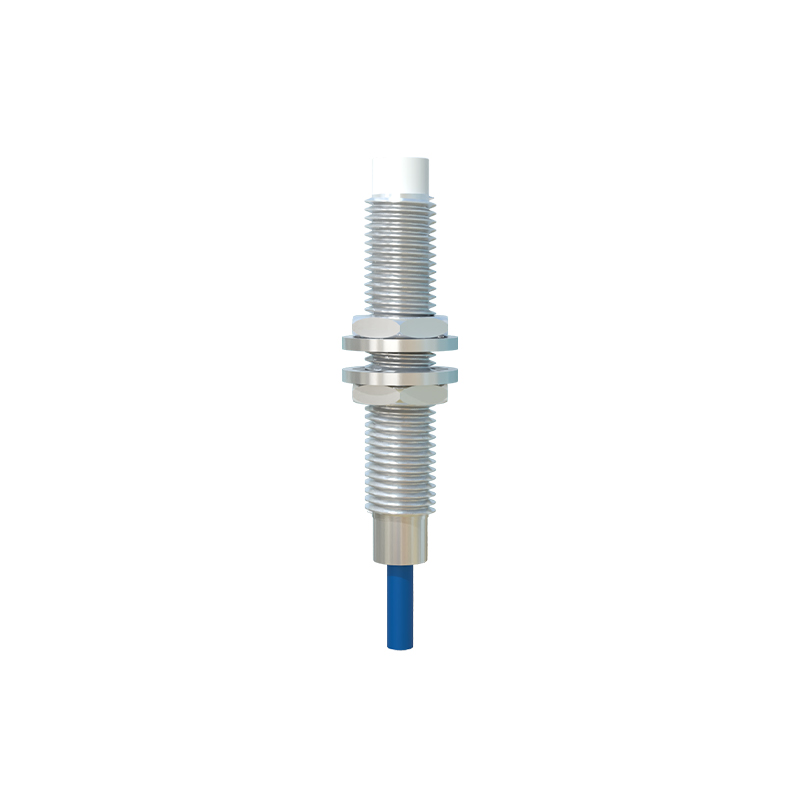
There are primarily two main technologies employed in these sensors: Reed Switch-based and Solid-State (Hall Effect or Magnetoresistive). Reed switch sensors contain two ferromagnetic reeds sealed in a glass tube. The magnetic field from the piston causes the reeds to flex and make contact, closing the circuit. They are known for their simplicity and low cost but can be susceptible to shock and vibration over time. Solid-state sensors, using Hall effect ICs, detect changes in magnetic flux density. They offer superior durability, faster switching frequencies, and precise, repeatable switching points, making them ideal for high-speed or demanding applications. Modern variants often include advanced features like programmable switching points, diagnostic LEDs, and short-circuit protection.
Selecting the appropriate proximity switch requires careful consideration of several key parameters. First is the cylinder type and its corresponding sensor mounting style. Standardized forms like DIN 43650 (often referred to by the trade name "Cable Connector" or "M12") are prevalent. The physical form factor must match the cylinder's sensor groove dimensions. Electrical characteristics are equally crucial: operating voltage (commonly 10-30V DC or 20-250V AC), output type (PNP/NPN sinking/sourcing for DC, or NO/NC contacts), and current rating. The sensing distance, though typically small (a few millimeters), must be sufficient to reliably detect the piston magnet through the cylinder wall. Environmental factors such as temperature range, ingress protection (IP rating against dust and water), and resistance to chemicals or cutting fluids must align with the operating conditions.
Installation and wiring are straightforward but demand attention to detail. The sensor must be securely seated in its groove, and the orientation relative to the piston magnet's polarity must be correct, especially for unipolar Hall effect sensors. Proper shielding and routing of cables are essential to minimize electromagnetic interference in noisy industrial environments. For DC sensors, correct identification of the brown (positive), blue (negative), and black (output) wires according to international standards is necessary to avoid damage.
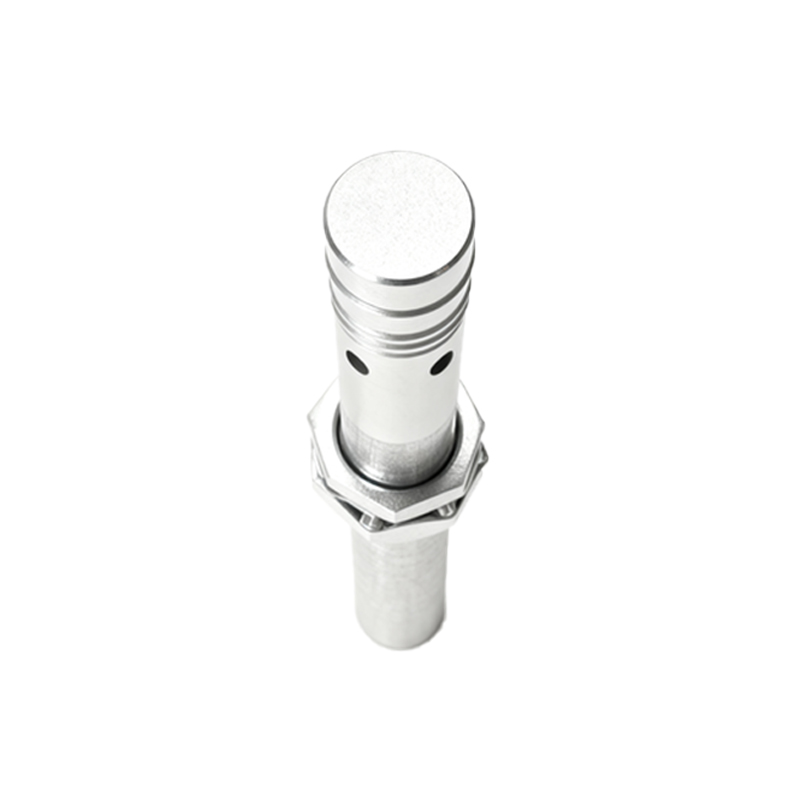
The applications for cylinder proximity switches are vast, spanning packaging machinery, automotive assembly lines, material handling systems, and press brakes. They provide essential feedback for controlling cylinder stroke endpoints, initiating subsequent process steps, and implementing safety interlocks. For instance, in a clamping operation, a sensor signal confirms the cylinder is fully extended and the clamp is secure before a machining cycle begins.
In conclusion, proximity switches for cylinders are fundamental building blocks of modern pneumatic and hydraulic control systems. Moving beyond basic reed switches to sophisticated, programmable solid-state sensors offers engineers greater control, diagnostics, and reliability. A thorough understanding of their technology, coupled with meticulous selection and installation practices, directly contributes to enhanced machine performance, reduced downtime, and improved operational safety. As Industry 4.0 and IIoT initiatives advance, these sensors continue to evolve, integrating smarter functionalities for predictive maintenance and seamless data integration into broader automation networks.