In the realm of industrial automation, proximity switch sensors are indispensable components for non-contact detection of objects, playing a critical role in applications ranging from assembly lines to robotic systems. However, the raw signals generated by these sensors often require conditioning and amplification to ensure reliable operation in diverse environments. This is where proximity switch sensor amplifiers come into play, serving as vital intermediaries that enhance signal integrity, improve detection accuracy, and extend the functionality of sensing systems.
Proximity sensors, including inductive, capacitive, and magnetic types, generate weak electrical signals when an object enters their detection field. These signals can be susceptible to noise, interference, and attenuation over long cable runs, potentially leading to false triggers or missed detections. An amplifier addresses these challenges by boosting the sensor's output signal to a level compatible with control systems like PLCs (Programmable Logic Controllers) or microcontrollers. By providing adjustable gain, filtering capabilities, and output conditioning, amplifiers ensure that the signal remains robust and clear, even in electrically noisy industrial settings.
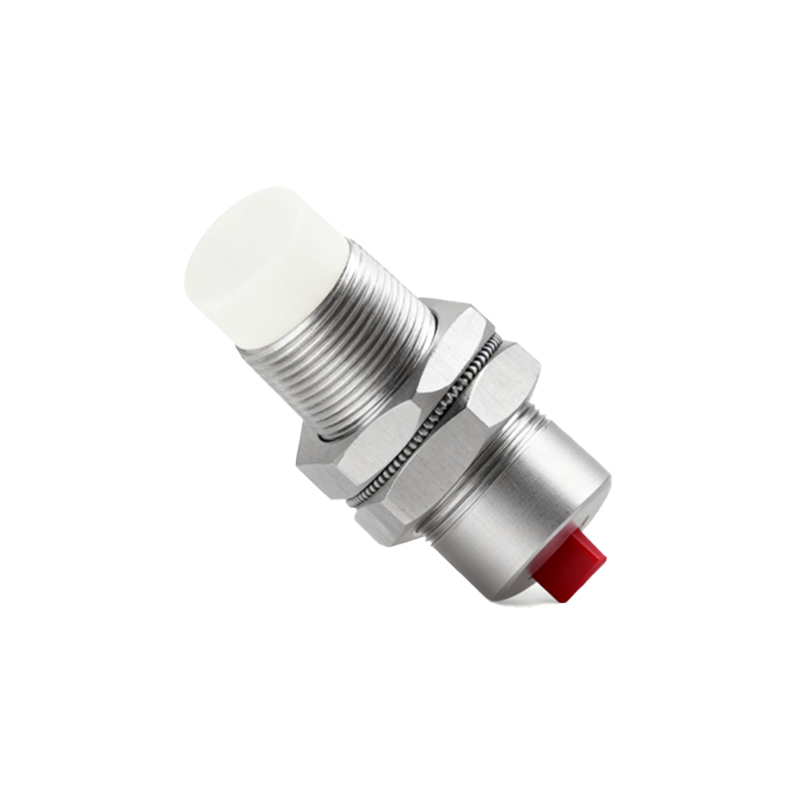
Key features of modern proximity sensor amplifiers include adjustable sensitivity thresholds, which allow operators to fine-tune detection ranges for specific materials or object sizes. For instance, inductive sensors might struggle with non-ferrous metals, but an amplifier with tailored settings can compensate by amplifying relevant frequency components. Additionally, many amplifiers offer diagnostic functions such as LED indicators for signal status, short-circuit protection, and reverse polarity safeguards, enhancing system durability and simplifying maintenance.
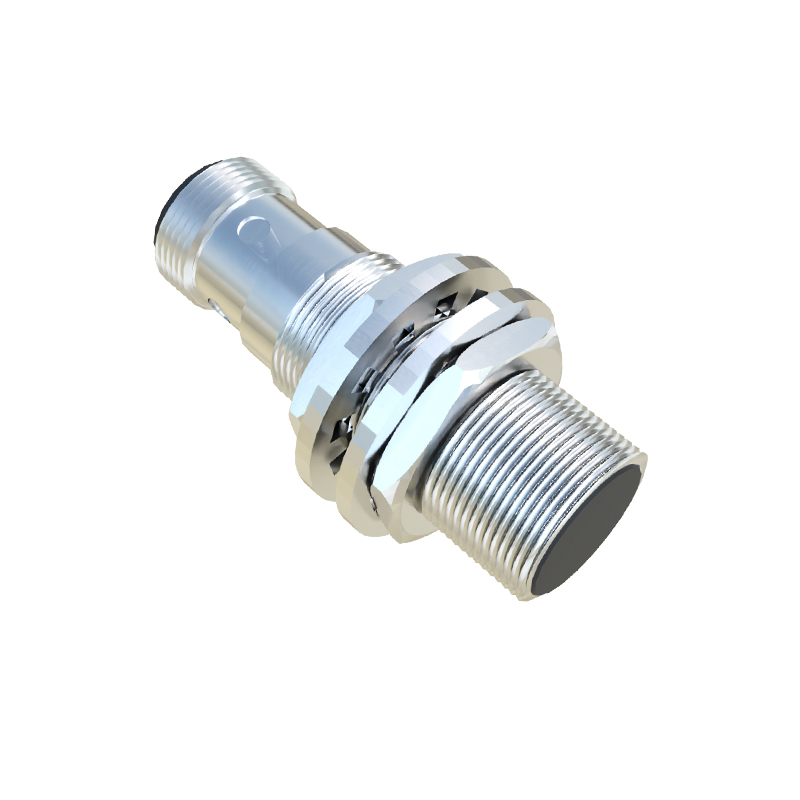
The integration of amplifiers also enables advanced functionalities like analog output options (e.g., 4-20 mA or 0-10 V), which provide continuous feedback on object distance or position, rather than simple on/off switching. This is particularly valuable in precision applications such as fill-level monitoring or position control, where granular data is essential. Moreover, with the rise of Industry 4.0, amplifiers are increasingly equipped with digital interfaces (e.g., IO-Link) that facilitate real-time data exchange, predictive maintenance, and remote configuration, aligning with smart factory trends.
When selecting an amplifier, engineers must consider factors like sensor compatibility, environmental conditions (e.g., temperature ranges, IP ratings for dust and moisture), and power supply requirements. For example, in harsh environments with high vibration or chemical exposure, ruggedized amplifiers with robust housings are preferable. Proper installation and shielding are equally crucial to minimize electromagnetic interference, ensuring consistent performance.
In summary, proximity switch sensor amplifiers are more than mere signal boosters; they are sophisticated devices that optimize sensor performance, enhance system reliability, and enable smarter automation. As industries continue to demand higher precision and connectivity, the evolution of amplifier technology will remain pivotal in pushing the boundaries of what proximity sensing can achieve. By leveraging these components, engineers can build resilient, efficient, and adaptable automation systems that meet the challenges of modern manufacturing.