In modern industrial automation, proximity sensors play a critical role in detecting the presence or absence of objects without physical contact. Among the various types available, oil-resistant waterproof proximity sensors have become indispensable in challenging operational settings. These sensors are specifically engineered to withstand exposure to oils, coolants, water jets, and other harsh fluids, ensuring reliable performance in environments where standard sensors would quickly fail.
The core technology behind these robust sensors often involves inductive, capacitive, or magnetic sensing principles. Inductive sensors, for instance, generate an electromagnetic field to detect metallic targets. What sets the oil-resistant waterproof variants apart is their enhanced sealing and housing materials. Typically, they feature housings made from stainless steel (such as SUS304 or SUS316) or high-grade engineering plastics like PBT or PPS. The critical sealing is achieved through specialized elastomers like fluorinated rubber (FKM) or ethylene propylene diene monomer (EPDM) O-rings, combined with advanced potting compounds that protect internal electronics from fluid ingress.
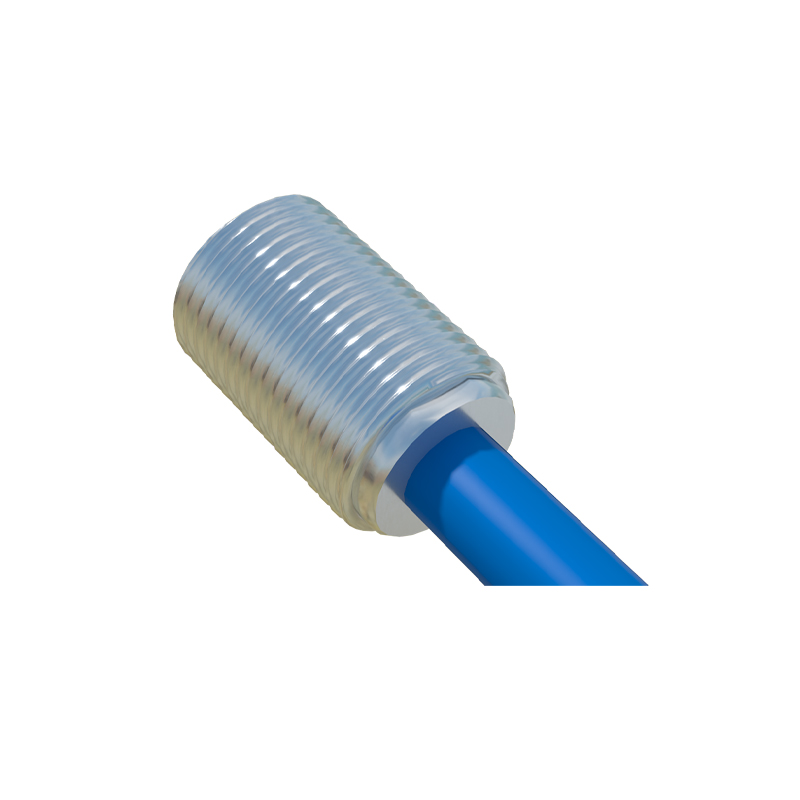
International protection ratings clearly define their capabilities. A rating of IP67 signifies protection against temporary immersion in water up to 1 meter for 30 minutes. The more robust IP68 and IP69K ratings indicate protection against prolonged immersion under higher pressure and resistance to high-pressure, high-temperature jet cleaning, respectively. For oil resistance, standards like NEMA 4X or specific certifications from organizations like UL or IEC are commonly referenced, ensuring the sensor can endure prolonged contact with industrial oils, greases, and solvents without degradation of the housing or seals.
The applications for these sensors are vast and vital. In the automotive manufacturing sector, they are deployed on machining lines where cutting oils and coolants are pervasive. They perform precise position sensing on CNC lathes, milling machines, and in hydraulic systems. Within the food and beverage industry, where equipment undergoes frequent high-pressure washdowns with caustic cleaners, waterproof sensors with appropriate food-grade material certifications are essential. Similarly, in marine equipment, offshore platforms, chemical processing plants, and heavy machinery, these sensors provide dependable detection where moisture, condensation, and oil splashes are constant threats.
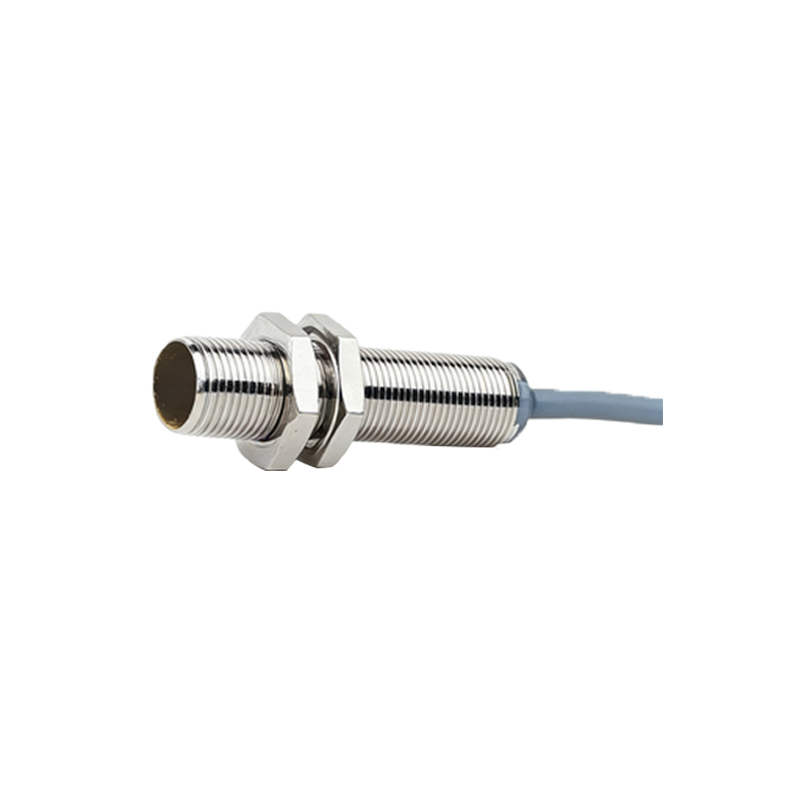
Selecting the right oil-resistant waterproof proximity sensor requires careful consideration of several parameters. The sensing distance, response frequency, output type (PNP/NPN, analog, IO-Link), and supply voltage must match the application's needs. Equally important is the chemical compatibility of the sensor's housing and seal material with the specific fluids it will encounter. Not all oils are the same; synthetic oils, mineral oils, and biodegradable oils can have different effects on polymer seals. Consulting the manufacturer's chemical resistance charts is a mandatory step.
Installation and maintenance, while simplified due to the rugged design, still require attention to detail. Proper mounting, avoiding stress on the housing, and ensuring that cable glands or connectors (often M12 or M8) are correctly torqued are crucial for maintaining the integrity of the seal. Regular visual inspections for cracks, swelling of seals, or buildup of contaminants can prevent unexpected downtime.
The evolution of these sensors continues, integrating smart features like condition monitoring and predictive maintenance alerts via industrial networking protocols. As industries push for greater efficiency and reliability in increasingly aggressive environments, the demand for high-performance oil-resistant waterproof proximity sensors will only grow. They are not merely components but guardians of productivity, enabling automation to thrive where dirt, fluids, and extreme conditions prevail.