Proximity sensor drivers are integral components in modern industrial automation, serving as the critical interface between proximity sensors and control systems. These electronic circuits or modules amplify, condition, and convert the raw signals from sensors into usable digital or analog outputs for programmable logic controllers (PLCs), microcontrollers, or other processing units. The performance and reliability of an entire sensing system heavily depend on the driver's design and functionality.
Proximity sensors themselves, including inductive, capacitive, and photoelectric types, detect the presence or absence of an object without physical contact. Inductive sensors detect metallic objects, capacitive sensors handle both metallic and non-metallic materials, and photoelectric sensors use light beams. However, the weak or noise-prone signals generated by these sensors require precise handling. This is where the driver excels. It typically provides functions such as signal amplification to boost weak sensor outputs, noise filtering to ensure stability in electrically noisy industrial environments, hysteresis adjustment to prevent output oscillation near the detection threshold, and output switching (e.g., NPN/PNP transistor, relay, or solid-state) compatible with the control system's voltage levels (commonly 12-24V DC or 110-240V AC).
Selecting the appropriate driver involves several key considerations. First, compatibility with the sensor type and its output signal is paramount. Second, the output type and load capacity must match the input requirements of the downstream controller or actuator. Environmental factors like operating temperature range, ingress protection (IP) rating for dust and moisture, and resistance to vibration are crucial for harsh factory floors. Additionally, features like adjustable sensing range, response time tuning, and diagnostic LEDs for status indication enhance system flexibility and maintainability.
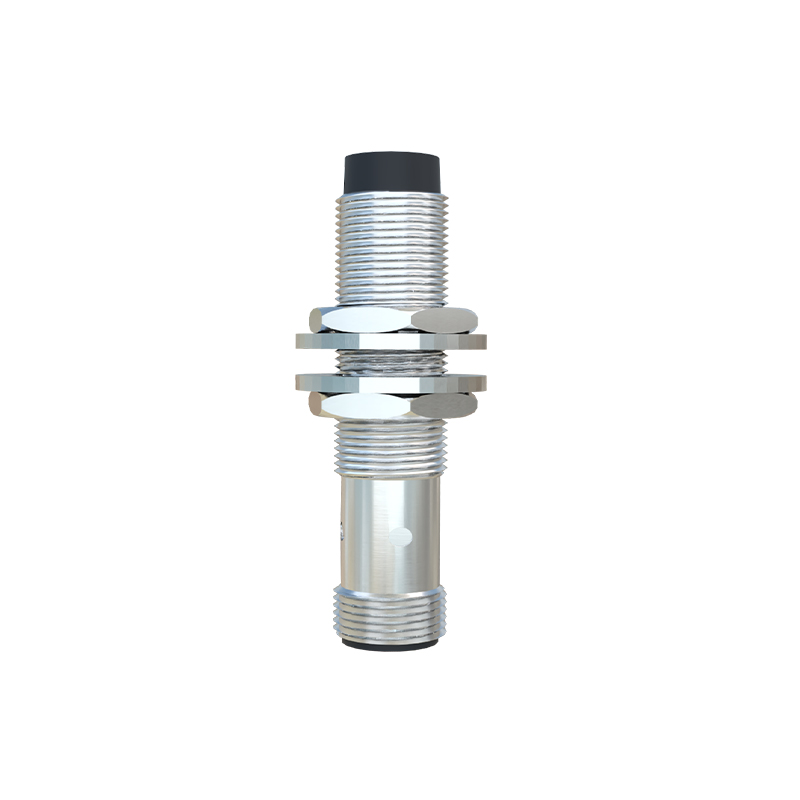
In practical applications, proximity sensor drivers are ubiquitous. On automated assembly lines, they ensure precise part positioning and robotic arm coordination. In material handling, they control conveyor belt operations and detect object jams. For safety, they are embedded in machine guarding systems, immediately halting equipment when a person breaches a light curtain or safety barrier. The driver's fast and reliable response is vital here. In packaging machinery, they count products and control filling levels.
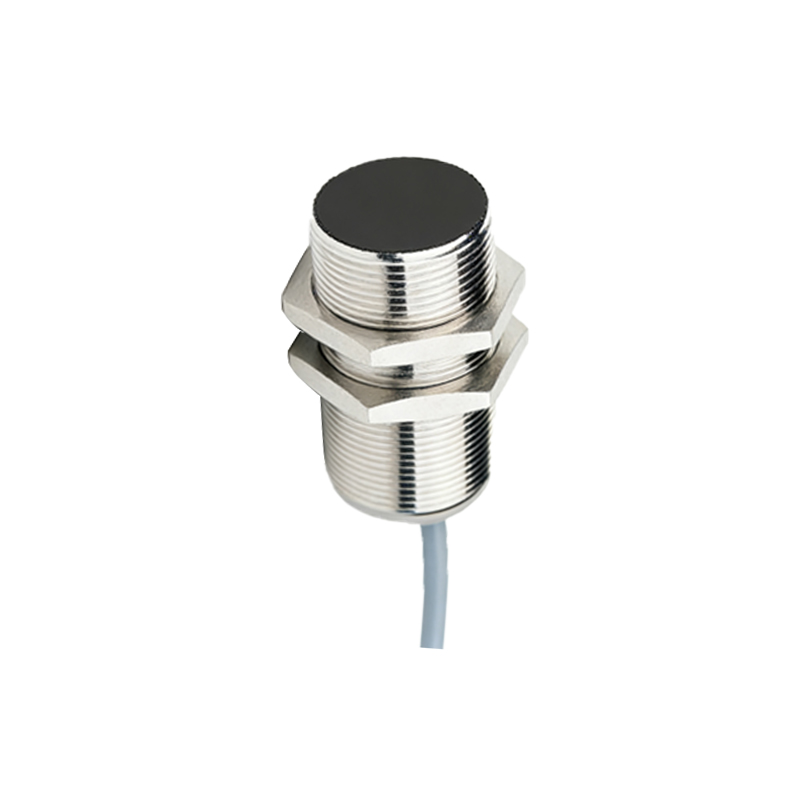
Recent advancements focus on integration and intelligence. Many modern drivers now incorporate IO-Link communication, a point-to-point serial protocol that enables bidirectional data exchange beyond simple on/off signals. This allows for remote configuration, real-time monitoring of sensor health (like contamination levels in optical sensors), and predictive maintenance alerts, reducing downtime. Furthermore, the rise of compact, modular driver blocks that can be easily integrated into distributed I/O systems simplifies cabinet wiring and system scalability.
Proper installation and wiring are fundamental. Designers must adhere to manufacturer guidelines for cable length, shielding to prevent electromagnetic interference (EMI), and correct polarity. Regular maintenance, though minimal, involves checking connections for corrosion and ensuring the driver's environment remains within specified limits. A well-chosen and correctly implemented proximity sensor driver not only maximizes sensor performance and longevity but also enhances overall system safety, efficiency, and uptime, making it a cornerstone of robust industrial automation.