Long range proximity sensors are pivotal components in modern industrial automation, offering reliable non-contact detection capabilities over extended distances. These sensors utilize various technologies, including ultrasonic, inductive, capacitive, and photoelectric principles, to detect objects without physical contact. Typically, long range proximity sensors can operate effectively from a few centimeters up to several meters, depending on the technology and application requirements.
In industrial settings, long range proximity sensors play a crucial role in enhancing operational efficiency and safety. For instance, in automotive manufacturing, these sensors are employed to detect vehicle positions on assembly lines, ensuring precise robotic operations. Similarly, in material handling systems, they monitor the movement of goods on conveyor belts, preventing collisions and optimizing workflow. The ability to detect objects from a distance reduces wear and tear on machinery, as it eliminates the need for mechanical contact, thereby extending equipment lifespan.
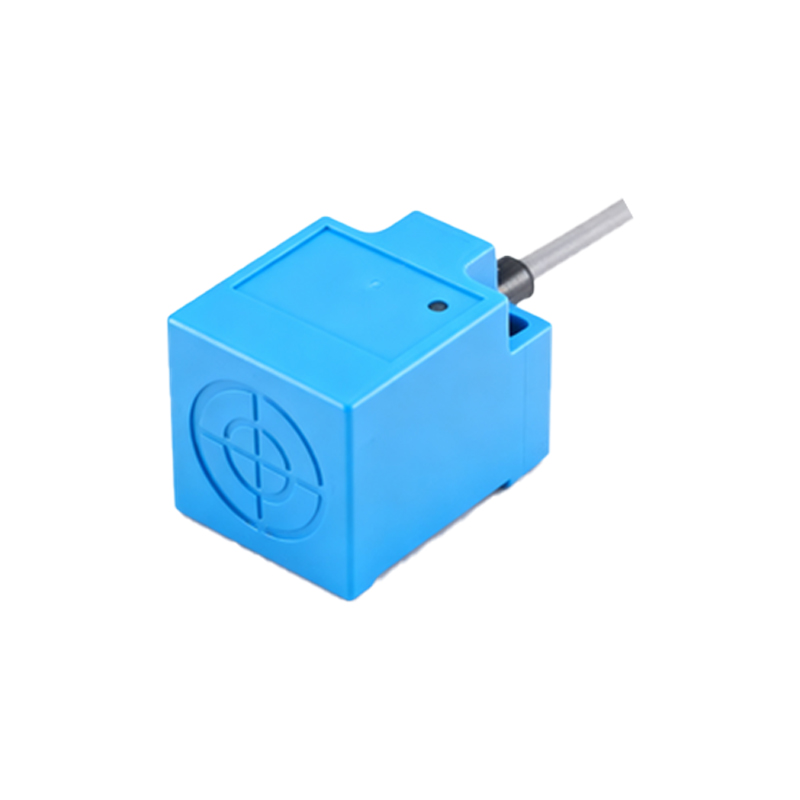
One of the key advantages of long range proximity sensors is their adaptability to harsh environments. Many models are designed with robust housings that withstand extreme temperatures, moisture, dust, and vibrations. This makes them ideal for use in industries such as mining, construction, and agriculture, where conditions can be challenging. For example, ultrasonic sensors can function reliably in dusty or foggy environments, while inductive sensors excel in detecting metallic objects in high-temperature settings.
Technological advancements have further improved the performance of long range proximity sensors. Modern sensors incorporate features like adjustable sensing ranges, digital output interfaces, and self-diagnostic capabilities. These enhancements allow for easier integration into automated systems and provide real-time data for predictive maintenance. Additionally, the rise of Industry 4.0 has led to the development of smart sensors that can communicate with central control systems via IoT networks, enabling remote monitoring and data analytics.
When selecting a long range proximity sensor, several factors must be considered. The type of object to be detected—whether metallic, non-metallic, liquid, or transparent—determines the appropriate sensor technology. Environmental conditions, such as temperature fluctuations and exposure to chemicals, also influence the choice. Furthermore, installation requirements, including mounting options and electrical compatibility, are critical for optimal performance. It is advisable to consult with manufacturers or engineering experts to ensure the right sensor is chosen for specific applications.
In conclusion, long range proximity sensors are indispensable tools in advancing industrial automation. Their ability to provide accurate, non-contact detection over significant distances contributes to improved productivity, safety, and cost-effectiveness. As technology continues to evolve, these sensors will likely become even more integral to smart manufacturing and automated processes worldwide.