Proximity switches, also known as proximity sensors, are non-contact sensing devices widely used in industrial automation for detecting the presence or absence of objects without physical contact. These sensors operate based on various physical principles, primarily electromagnetic, capacitive, and inductive technologies, each suited to specific applications and materials.
Inductive proximity switches are the most common type, designed to detect metallic objects. They consist of an oscillator circuit that generates a high-frequency electromagnetic field around the sensor's active surface. When a metallic object enters this field, eddy currents are induced in the object, causing a change in the oscillator's amplitude or frequency. This change is detected by a threshold circuit, which triggers an output signal—typically a solid-state switch or relay—to indicate the object's presence. Inductive sensors are ideal for harsh environments due to their robustness, resistance to dust, moisture, and vibration, and they are commonly used in manufacturing lines for position sensing, counting, and safety applications.
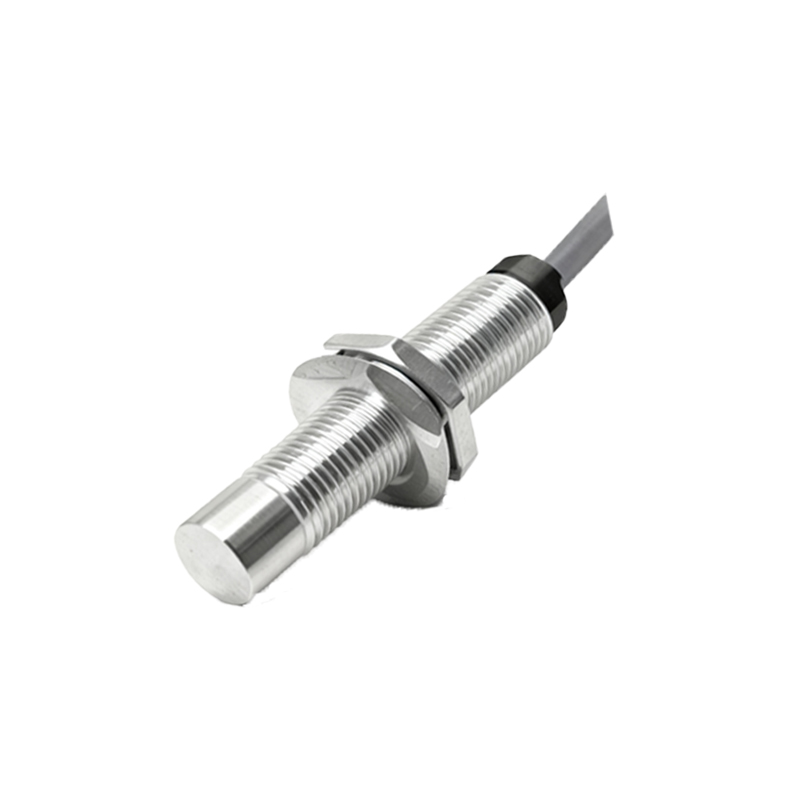
Capacitive proximity switches can detect both metallic and non-metallic materials, including liquids, plastics, and wood. They function by generating an electrostatic field between two electrodes: one in the sensor and the other formed by the target object. When an object enters the field, it alters the capacitance between the electrodes, leading to a change in the oscillator circuit. This triggers the output when a preset threshold is reached. Capacitive sensors are versatile and often employed in level detection for tanks, material handling, and packaging industries, though they may be sensitive to environmental factors like humidity.
Magnetic proximity switches, or reed switches, use a magnet and a ferromagnetic reed contact to detect magnetic fields, typically from permanent magnets attached to moving parts. When the magnet approaches, the reed contacts close, completing an electrical circuit. These sensors are simple, low-cost, and used in applications such as door position sensing and limit switches, but they have limited range and can be affected by external magnetic interference.
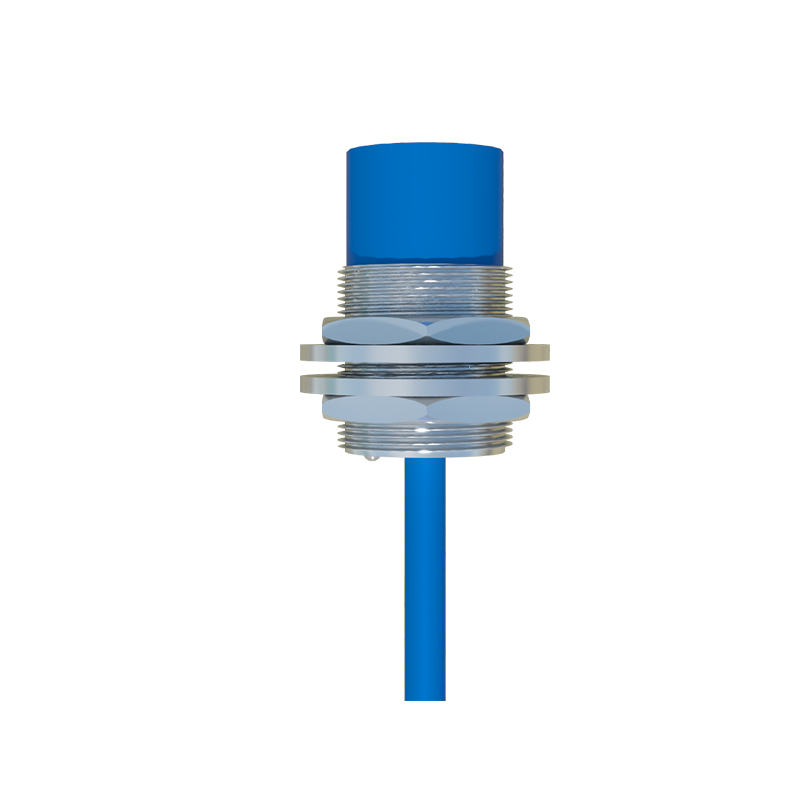
Ultrasonic proximity switches operate by emitting high-frequency sound waves and measuring the time it takes for the echo to return after reflecting off an object. They can detect a wide range of materials regardless of color or transparency, making them suitable for distance measurement, object detection in challenging conditions, and liquid level sensing. However, they may be influenced by temperature variations and acoustic noise.
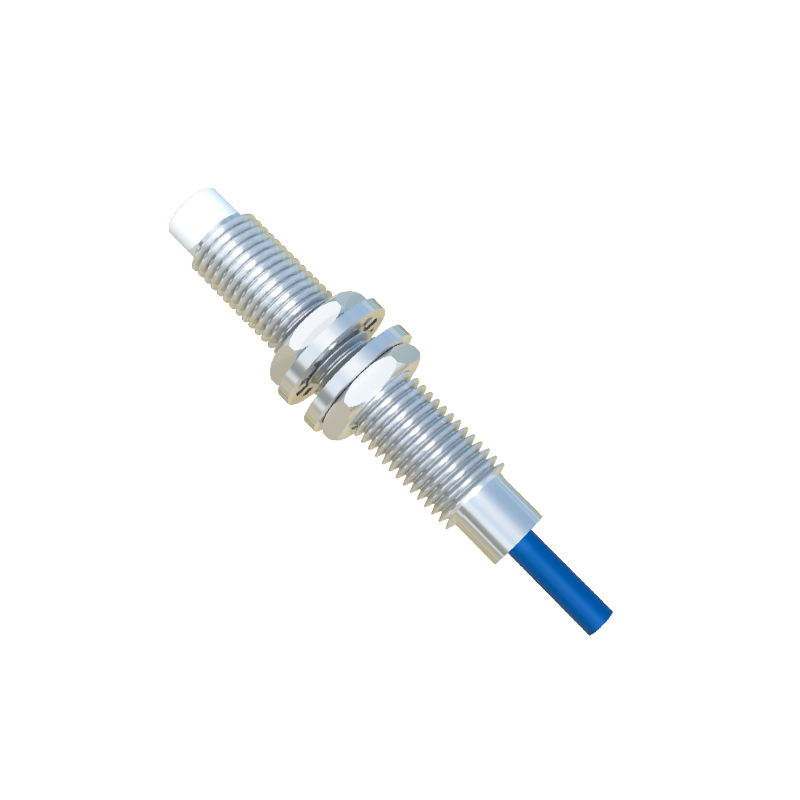
Key parameters in selecting a proximity switch include sensing distance, which varies by type and material; response time, critical for high-speed applications; output configuration (e.g., NPN, PNP, or analog); and environmental ratings like IP protection for dust and water resistance. Proper installation is essential to avoid false triggers from nearby metal or electrical noise.
In industrial settings, proximity switches enhance efficiency and safety by enabling automated control systems. They are integral to robotics, conveyor systems, machine tools, and automotive assembly lines, providing reliable, maintenance-free operation. Advances in technology have led to miniaturization, improved accuracy, and integration with IoT for predictive maintenance. Understanding these principles helps engineers optimize sensor selection for specific tasks, ensuring robust performance in diverse operational conditions.
Overall, proximity switches are fundamental components in modern automation, offering precise, non-contact detection that drives productivity and innovation across industries.