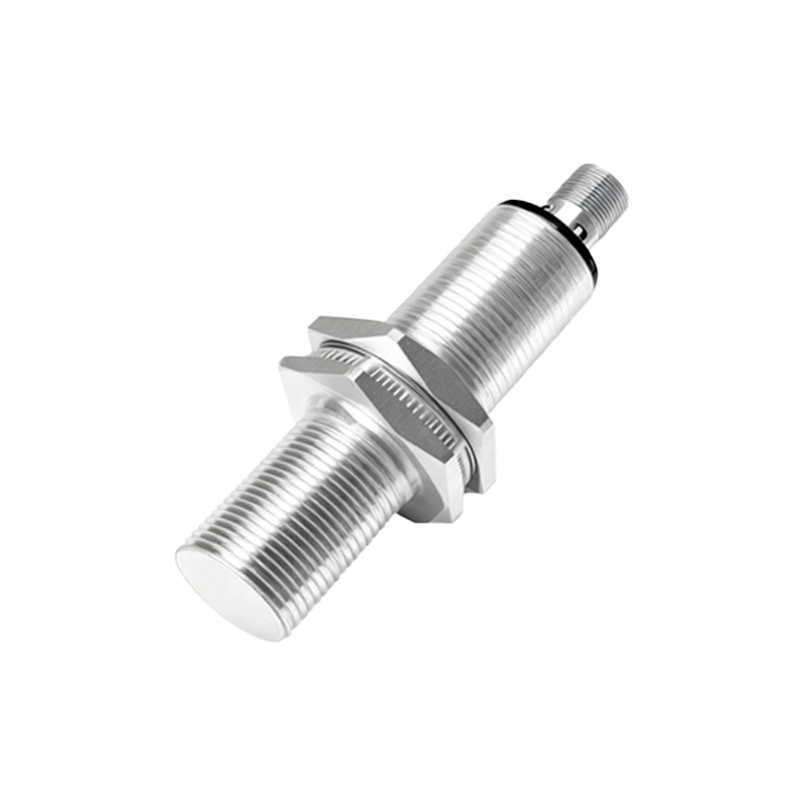
In industrial automation and embedded systems, the integration of proximity sensors with microcontrollers like the M32 series is fundamental for enabling precise object detection, position monitoring, and safety mechanisms. Proximity sensors, including inductive, capacitive, and ultrasonic types, provide non-contact sensing capabilities, making them ideal for harsh environments. The M32 microcontroller, known for its robust architecture and versatile peripherals, serves as an efficient brain for processing sensor data. This article details the technical steps and considerations for successfully interfacing these components.
The initial phase involves selecting an appropriate proximity sensor based on the application. Inductive sensors are suitable for detecting metallic objects, while capacitive sensors can sense both metallic and non-metallic materials. Ultrasonic sensors offer longer detection ranges. Key parameters to evaluate include sensing distance, output type (NPN/PNP, analog, or digital), supply voltage, and response time. Most industrial proximity sensors operate on 12-24V DC, which necessitates voltage level considerations when connecting to the M32, typically operating at 3.3V or 5V.
Electrical interfacing is critical to ensure compatibility and prevent damage. For digital output sensors (e.g., NPN open-collector), a simple circuit with a pull-up resistor can be used to translate the output to a logic level readable by the M32's GPIO pins. For instance, connecting an NPN sensor's output to a GPIO pin via a 10kΩ pull-up resistor to 3.3V allows the pin to read HIGH when the sensor is inactive and LOW when an object is detected. For analog output sensors, the M32's built-in ADC (Analog-to-Digital Converter) pins are utilized. A voltage divider or operational amplifier may be required to scale the sensor's output voltage within the ADC's input range (0-3.3V). Proper filtering, such as RC low-pass filters, can reduce noise in analog signals.
On the software side, configuring the M32's peripherals is essential. Using development environments like STM32CubeIDE or PlatformIO, engineers can set up GPIO pins as input with internal pull-up/pull-down resistors if needed. For digital sensors, code typically involves reading the pin state in a loop or via interrupts for faster response. For example, enabling external interrupts on the sensor's output pin allows immediate detection events, reducing CPU load. For analog sensors, initializing the ADC with appropriate resolution (e.g., 12-bit) and sampling rate ensures accurate distance measurements. Calibration routines may be implemented to map ADC values to actual distances based on the sensor's datasheet.
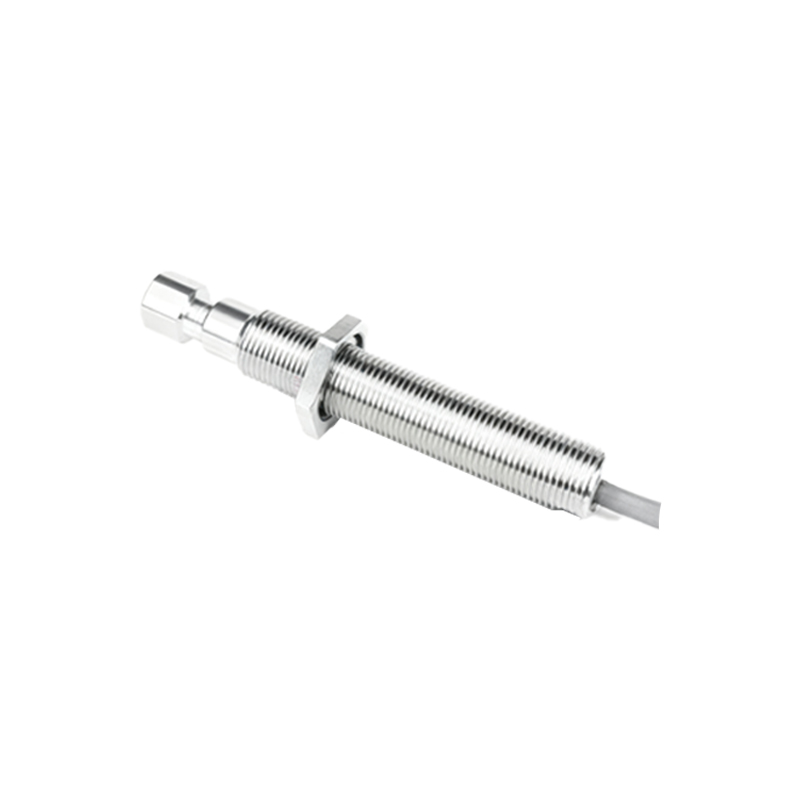
Practical implementation often includes considerations for reliability and safety. Optocouplers or isolation modules can provide electrical isolation between the sensor's high-voltage side and the microcontroller, protecting against surges or ground loops. Shielding cables and proper grounding minimize electromagnetic interference, especially in industrial settings. Additionally, implementing software debouncing for digital signals prevents false triggers from mechanical vibrations or electrical noise.
Testing and debugging are vital steps. Using oscilloscopes or logic analyzers, engineers can verify signal integrity and timing. For instance, checking the sensor's output waveform ensures it meets the M32's input specifications. In-code debugging via UART serial output can help monitor sensor readings and diagnose issues. Real-world scenarios, such as varying environmental conditions (temperature, humidity), should be tested to ensure consistent performance.
In summary, interfacing M32 microcontrollers with proximity sensors requires careful hardware design and software configuration. By understanding sensor characteristics, implementing appropriate interfacing circuits, and writing efficient code, engineers can build reliable systems for automation, robotics, and IoT applications. This integration not only enhances functionality but also contributes to smarter, more responsive industrial solutions.