In modern industrial systems, laser water temperature sensors have become critical components for monitoring and controlling thermal processes. These sensors utilize laser-based technology to measure water temperature with high precision, often in challenging environments where traditional contact sensors may fail. However, like any sophisticated instrumentation, they are prone to triggering alarms under specific conditions, which can signal potential issues requiring immediate attention.
A laser water temperature sensor typically operates by emitting a laser beam that interacts with the water medium. The reflected or scattered light is analyzed to determine temperature based on principles such as Raman scattering or laser-induced fluorescence. This non-contact method offers advantages like reduced contamination risk and the ability to measure in corrosive or high-pressure settings. Despite their robustness, these sensors can generate alarms due to various factors. Common causes include optical obstruction, where dirt, debris, or air bubbles interfere with the laser path, leading to inaccurate readings or signal loss. Environmental factors such as extreme temperatures, humidity, or vibration can also affect sensor performance, triggering false alarms or system shutdowns.
When an alarm activates, it typically indicates a deviation from predefined operational parameters. For instance, if the measured temperature exceeds safe thresholds—set to prevent equipment damage or ensure process efficiency—the sensor will alert operators via visual or auditory signals. In some cases, alarms may stem from internal sensor faults, like laser diode degradation or electronic component failure, which necessitate calibration or replacement. Regular maintenance, including lens cleaning and calibration checks, is essential to minimize false alarms and ensure reliable operation.
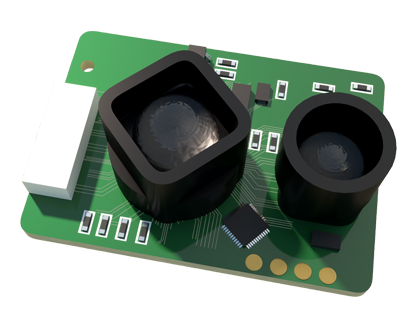
To address alarms effectively, engineers should follow a systematic troubleshooting approach. First, verify the alarm type by consulting the sensor’s manual or interface display, which often categorizes alerts as critical (e.g., overheating) or non-critical (e.g., calibration drift). Inspect the sensor installation for physical issues, such as misalignment or blockages, and ensure the water flow is stable and free of particulates. If environmental conditions are suspect, consider adding protective enclosures or adjusting sensor placement. For persistent alarms, recalibrate the sensor using a reference standard or consult the manufacturer for firmware updates. In industrial settings, integrating these sensors with supervisory control and data acquisition (SCADA) systems can enable automated responses, like adjusting cooling valves or initiating backup systems, to mitigate risks during alarm events.

The implications of ignoring laser water temperature sensor alarms can be severe, including process downtime, product quality issues, or safety hazards like overheating in cooling systems. Therefore, proactive monitoring and training personnel on alarm protocols are vital. As technology advances, newer models feature enhanced diagnostics and self-correction capabilities, reducing false alarms and improving resilience. In summary, understanding the nuances of laser water temperature sensor alarms empowers engineers to maintain optimal system performance, ensuring safety and efficiency in industrial applications. By prioritizing preventive measures and swift responses, industries can leverage these sensors’ full potential while minimizing operational disruptions.