Proximity sensors are indispensable components in modern industrial automation, robotics, automotive systems, and consumer electronics. These non-contact devices detect the presence or absence of objects within their sensing range, enabling precise control, safety, and efficiency. The global market for proximity sensors is highly competitive, driven by technological innovation and diverse application demands. This article provides a curated list of prominent proximity sensor manufacturers and suppliers, recognized for their product quality, technological expertise, and market presence.
Leading the industry are several established multinational corporations. Sick AG, headquartered in Germany, is a global leader in sensor intelligence and industrial applications. They offer a comprehensive portfolio of inductive, capacitive, and magnetic proximity sensors known for robustness and high performance in harsh environments. Omron Corporation, a Japanese electronics giant, provides an extensive range of proximity sensors, including their renowned E2E series. Omron sensors are celebrated for reliability, compact design, and advanced features like noise immunity and embedded diagnostics, serving sectors from factory automation to healthcare equipment.
Another key player is Pepperl+Fuchs, a German specialist in industrial sensor technology and intrinsic safety. Their proximity sensor lineup is particularly strong in hazardous areas and demanding industrial settings, offering solutions with exceptional longevity and precision. From the United States, Rockwell Automation (Allen-Bradley) supplies high-quality sensors integral to their control and information solutions. Their proximity sensors are designed for seamless integration with programmable logic controllers (PLCs) and other automation systems, ensuring optimal performance in complex manufacturing networks.
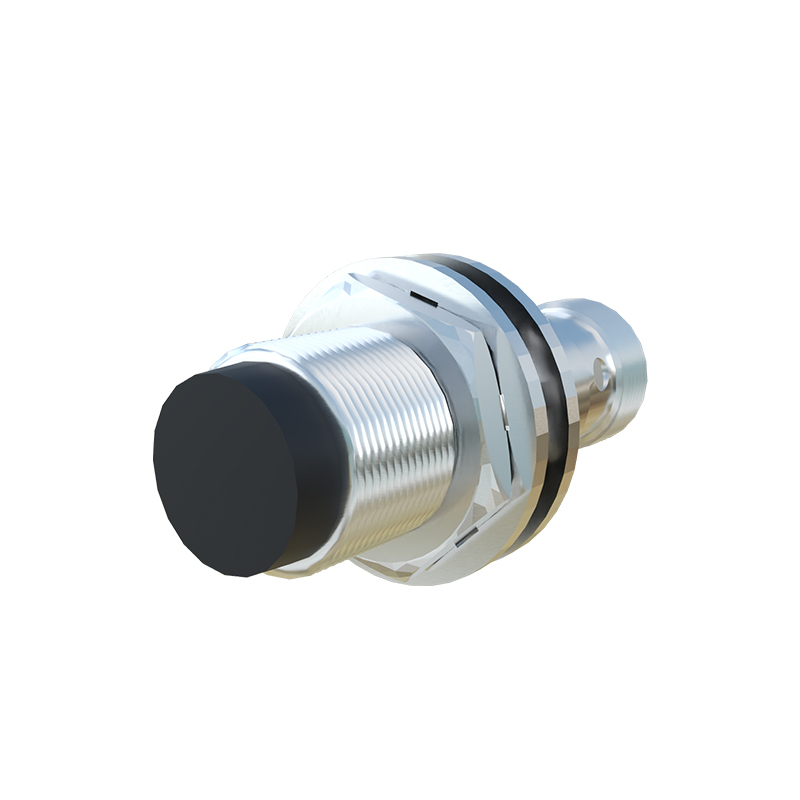
Balluff GmbH, a German family-owned company, is highly regarded for its innovation in sensor and automation technology. They provide a wide array of inductive, capacitive, and magnetic proximity sensors with various housing styles, connection options, and intelligent functions, such as IO-Link communication for Industry 4.0 readiness. IFM Electronic, also from Germany, is a major force with a vast product range. Their sensors are known for user-friendly design, durability, and innovative features like condition monitoring, which helps in predictive maintenance strategies.
Turck GmbH stands out for its rugged sensor solutions designed to withstand extreme conditions. Their product offerings include high-temperature sensors, weld-field immune models, and sensors with extended ranges, making them a preferred choice for heavy industries like metalworking and automotive manufacturing. Panasonic Corporation, with its broad electronics expertise, delivers reliable and cost-effective proximity sensors used widely in appliance manufacturing, packaging machinery, and assembly lines.
Beyond these giants, several other noteworthy suppliers contribute significantly to the market. Carlo Gavazzi Automation Components offers a reliable range of sensors with a focus on quality and value. Schneider Electric provides sensor solutions as part of its broader energy management and automation portfolio. Eaton Corporation supplies sensors for various industrial and electrical applications. Specialized suppliers like Festo (for pneumatics and automation) and Banner Engineering (known for innovative photoelectric and ultrasonic sensors that complement proximity detection) also offer competitive proximity sensing products.
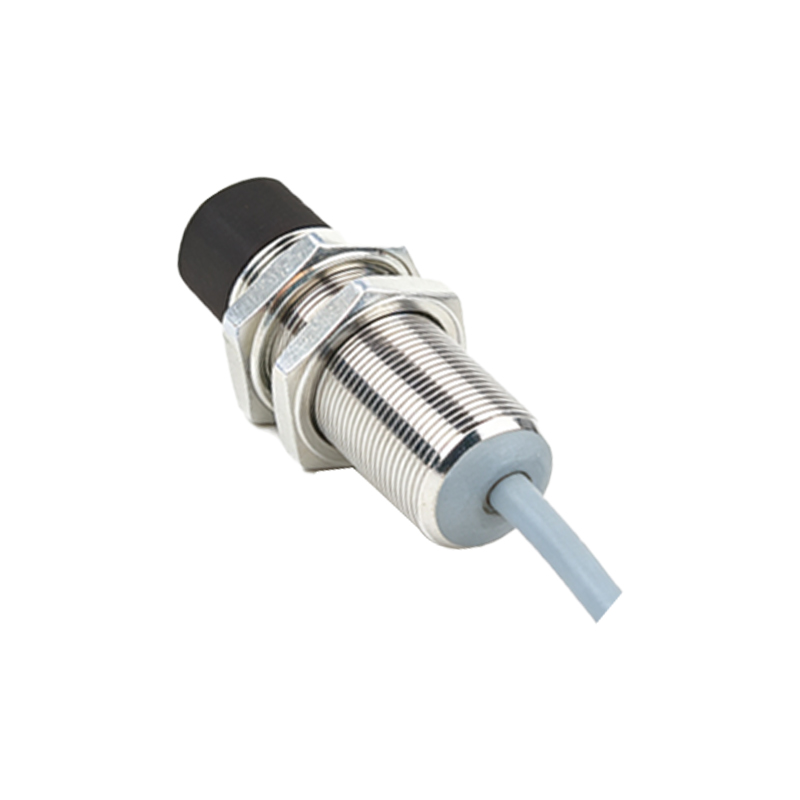
When selecting a proximity sensor supplier, engineers and procurement specialists must consider several critical factors. Application Requirements are paramount: the sensing distance, target material (metal, plastic, liquid), required output type (PNP/NPN, analog, IO-Link), and environmental conditions (temperature, pressure, exposure to chemicals or washdowns) dictate the sensor type (inductive, capacitive, magnetic, or ultrasonic). Quality and Certification ensure long-term reliability; look for suppliers with ISO certifications and products meeting international standards (e.g., IEC, UL). Technical Support and Availability are crucial for minimizing downtime; suppliers with strong global distribution networks and responsive application engineering teams add significant value. Finally, Cost-Effectiveness must be evaluated against total cost of ownership, which includes not just the unit price but also installation, maintenance, and potential production losses from failures.
The future of proximity sensing is intertwined with trends like Miniaturization, allowing sensors to fit into increasingly compact devices, and Smart Sensor Technology. Integration of digital interfaces like IO-Link enables sensors to transmit detailed parameter and diagnostic data, facilitating predictive maintenance and seamless integration into Industrial Internet of Things (IIoT) ecosystems. Furthermore, advancements in materials and design are enhancing sensor performance in extreme environments and expanding detection capabilities for new materials and complex shapes.
In conclusion, the landscape of proximity sensor manufacturers is diverse, offering solutions for every conceivable industrial need. From global powerhouses like Sick, Omron, and Pepperl+Fuchs to specialized innovators, the choice depends on specific technical requirements, environmental challenges, and strategic integration needs. Engaging with suppliers who demonstrate continuous innovation and provide comprehensive support is key to leveraging proximity sensor technology for enhanced operational efficiency, safety, and automation intelligence.