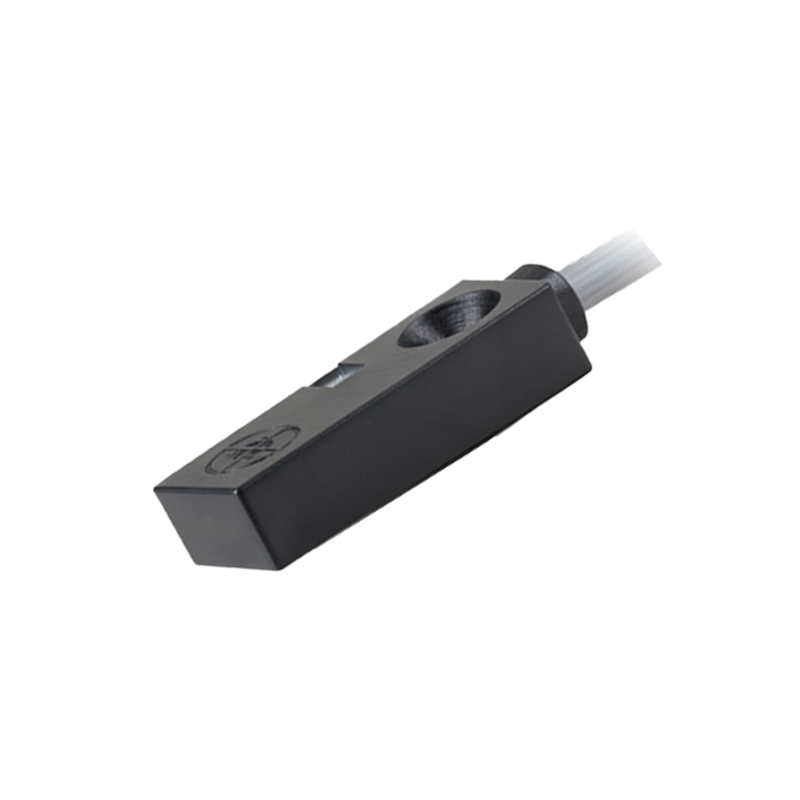
In the realm of industrial automation and machinery, proximity switch sensors are indispensable components, known for their non-contact detection capabilities. They operate by emitting an electromagnetic field or a beam of electromagnetic radiation, and detecting changes in the field or return signal when an object enters their sensing range. Common types include inductive, capacitive, and photoelectric sensors, each tailored for specific materials and applications. However, a question often arises in both professional and hobbyist circles: can these industrial-grade proximity switch sensors be used on mobile phones?
To address this, we must first understand the fundamental technology behind mobile phones. Modern smartphones are equipped with a variety of built-in sensors, including a proximity sensor. This integrated sensor is typically an infrared (IR) or capacitive type, designed to detect the presence of a user's face or hand near the screen during calls or other interactions. Its primary function is to conserve battery life and prevent accidental touch inputs by turning off the display when the phone is held close to the ear. This sensor is miniaturized, low-power, and seamlessly integrated into the phone's hardware and software ecosystem.
In contrast, industrial proximity switch sensors are generally larger, require higher operating voltages (often 10-30V DC or AC), and are built for harsh environments involving dust, moisture, or extreme temperatures. They output signals in formats like NPN/PNP, analog, or relay contacts, intended to interface with PLCs (Programmable Logic Controllers) or other industrial control systems. Directly connecting such a sensor to a mobile phone is not feasible due to significant compatibility issues. The phone lacks the necessary power supply ports and input circuits to handle the sensor's electrical requirements. Moreover, the physical size of most industrial sensors makes integration into a sleek mobile device impractical.
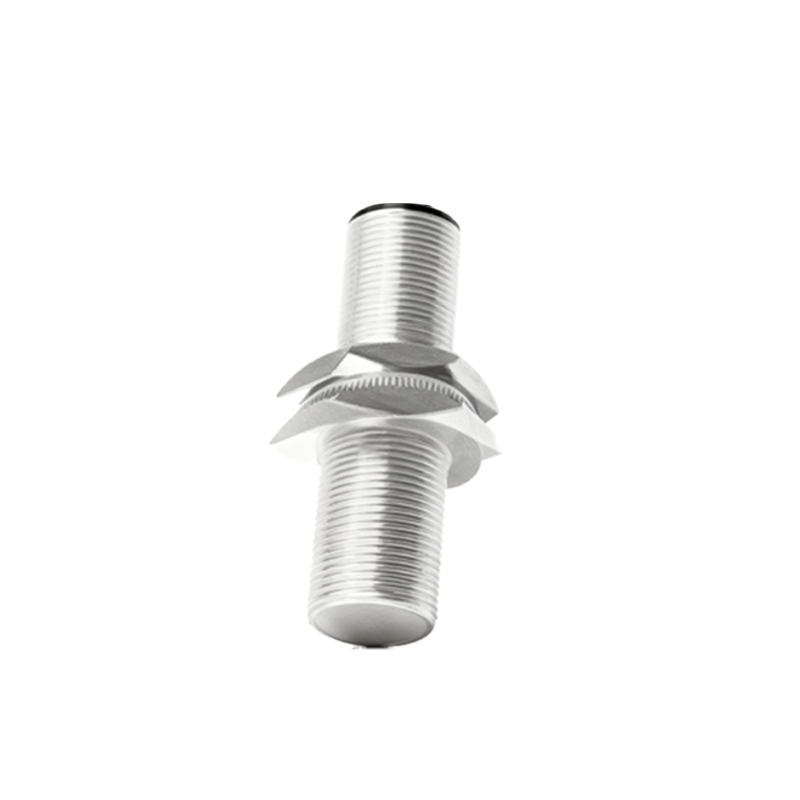
Nevertheless, the concept of using proximity sensing principles with mobile phones is not entirely far-fetched. With the advent of the Internet of Things (IoT) and smart device proliferation, there are indirect methods. For instance, a low-power, miniaturized proximity sensor (similar to those used in phones) could be part of an external accessory or a modular IoT device. This accessory would communicate with the phone via wireless protocols like Bluetooth Low Energy (BLE) or Wi-Fi. The sensor data could then be processed through a dedicated mobile application. Such setups are already seen in some smart home devices, wearables, or DIY electronics projects where phones act as display or control hubs.
For engineers and developers interested in experimentation, platforms like Arduino or Raspberry Pi can serve as intermediaries. An industrial proximity sensor could be connected to one of these microcontrollers, which would then process the signal and transmit data to a mobile phone app via serial communication over USB or wirelessly. This approach allows for educational demonstrations, prototyping, or specialized industrial monitoring applications where the phone serves as a remote interface. However, this is a customized solution, not a direct integration, and requires expertise in electronics and programming.
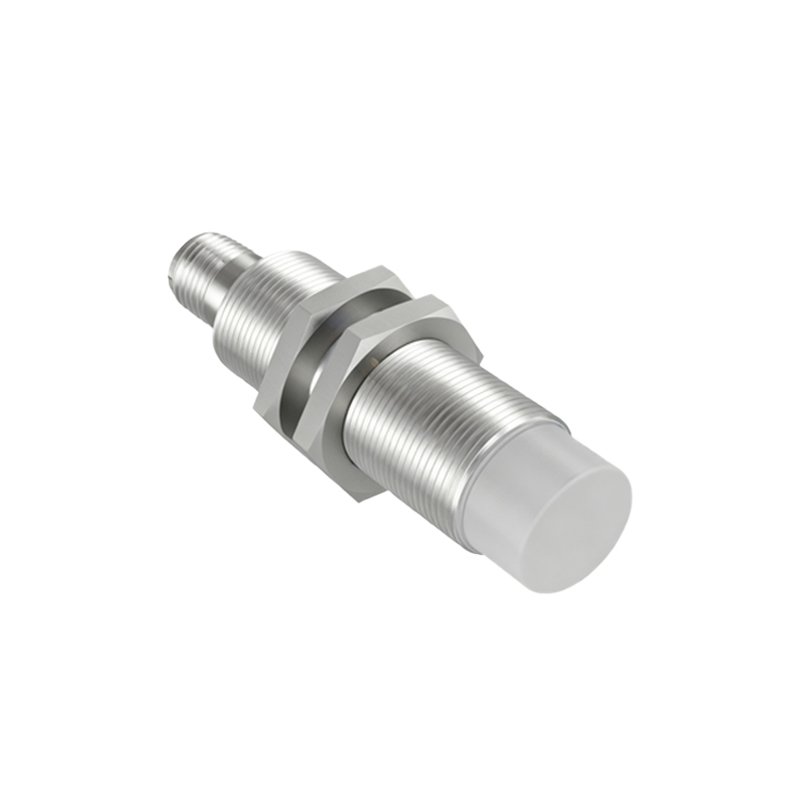
From a practical standpoint, using a standard industrial proximity switch sensor directly on a mobile phone is not viable or intended by design. The built-in phone sensor is optimized for the device's specific needs. However, the underlying technology inspires innovation in mobile peripherals and IoT. As sensor technology advances, we may see more convergence, with industrial sensing principles adapted into compact, phone-compatible forms for niche applications like augmented reality, precision measurement tools, or advanced user interfaces.
In summary, while you cannot plug an industrial proximity switch sensor into your mobile phone, the principles of proximity detection are already at work within your device. For expanded functionality, look toward external accessories or microcontroller-based projects that bridge the gap between industrial sensors and mobile technology, opening doors for creative engineering solutions.