Arduino laser distance sensors represent a significant advancement in precision measurement technology, offering engineers and developers a versatile tool for various applications. These sensors operate by emitting a laser beam toward a target and measuring the time it takes for the reflected light to return, known as time-of-flight (ToF) principle. This method ensures high accuracy, often within millimeter ranges, making it superior to ultrasonic or infrared alternatives in many scenarios.
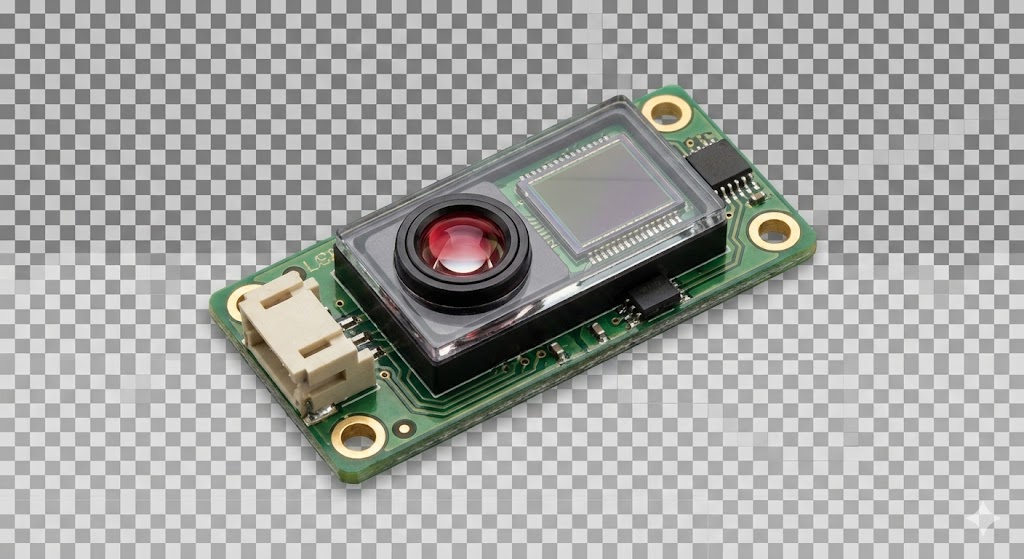
For electrical engineers integrating these sensors with Arduino, the process begins with selecting an appropriate module. Common choices include VL53L0X, VL53L1X, or TFmini models, each with distinct specifications. The VL53L0X, for instance, provides up to 2 meters of range with millimeter resolution, while the TFmini can extend to 12 meters with centimeter accuracy. Connection typically involves I2C or UART interfaces, requiring only a few wires to link the sensor to the Arduino board. Power requirements are generally low, operating at 3.3V or 5V, which aligns well with Arduino's capabilities.

Programming an Arduino laser distance sensor involves utilizing dedicated libraries, such as Adafruit_VL53L0X for VL53L0X sensors. After installing the library via the Arduino IDE, engineers can write code to initialize the sensor, read distance values, and implement error handling. A basic sketch includes functions to start continuous or single-shot measurements, with data output in millimeters. Calibration is crucial for optimal performance; engineers should account for environmental factors like ambient light or reflective surfaces that may affect readings.
In industrial applications, these sensors excel in automation, robotics, and safety systems. For example, in robotic navigation, laser sensors provide real-time obstacle detection, enabling precise movement control. In manufacturing, they monitor object positioning on conveyor belts, ensuring quality control. Additionally, they are used in smart devices for gesture recognition or in construction for leveling and alignment tasks.
When designing systems, engineers must consider limitations. Laser sensors may struggle with transparent or highly absorbent materials, and outdoor use requires protection from direct sunlight. Interfacing with other components, like displays or actuators, expands functionality. For instance, combining a laser sensor with a servo motor allows for scanning environments, creating simple LIDAR systems.
Maintenance involves regular cleaning of the lens and firmware updates to enhance accuracy. The open-source nature of Arduino encourages community support, with forums and repositories offering troubleshooting tips and advanced projects. As technology evolves, newer sensors with longer ranges and faster response times continue to emerge, pushing the boundaries of what's possible in DIY and professional engineering.

Ultimately, Arduino laser distance sensors empower engineers to innovate in measurement and control systems. Their precision, ease of integration, and adaptability make them a valuable asset in both prototyping and final products, driving efficiency and creativity across industries.