Proximity sensors are pivotal components in the realm of industrial automation and electronic control systems. Fundamentally, a proximity sensor is a device that detects the presence or absence of an object within its sensing range without any physical contact. It achieves this by emitting an electromagnetic field, beam, or acoustic waves and then looking for changes in the field or return signal. The primary function is to provide a reliable, non-contact method for object detection, which is crucial for enhancing efficiency, safety, and precision in countless applications.
The core principle behind most proximity sensors involves converting information about the presence or motion of an object into an electrical signal. This signal can then be interpreted by a programmable logic controller (PLC), microcontroller, or other control system to trigger specific actions. For instance, when an object enters the sensor's detection zone, the sensor's output state changes—typically from "off" to "on" or vice-versa. This simple binary output forms the basis for complex automated sequences.
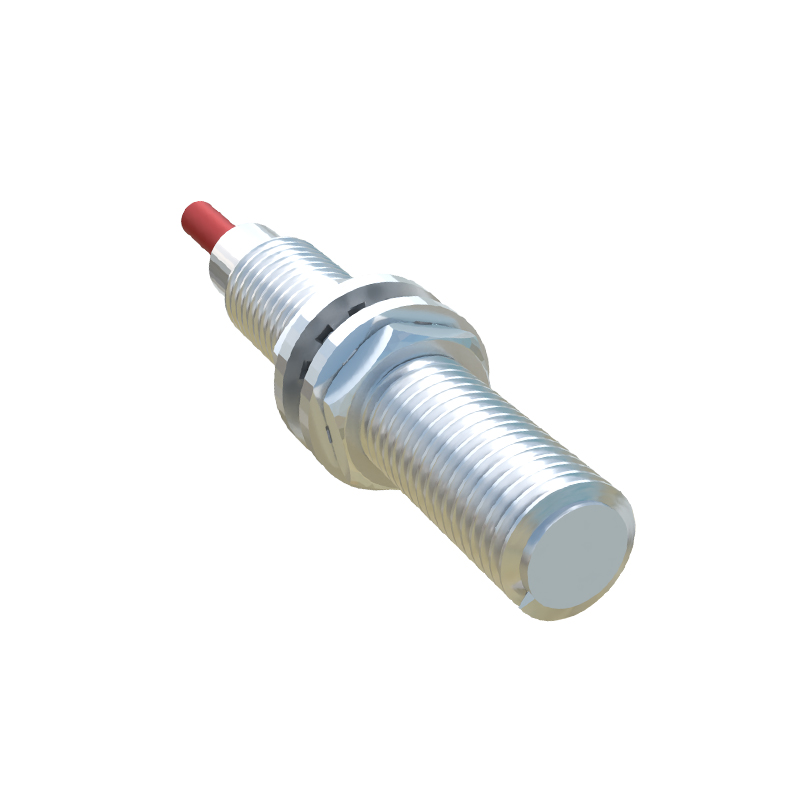
There are several main types of proximity sensors, each suited to different materials and environments. Inductive proximity sensors are among the most common. They generate an oscillating electromagnetic field and detect the eddy current losses caused when a metallic object enters this field. Consequently, they are ideal for detecting metals like steel, aluminum, or copper and are widely used in machine tools, automotive assembly lines, and robotic systems. Their robustness makes them suitable for harsh industrial environments with dust, oil, or coolant.
Capacitive proximity sensors, on the other hand, can detect both metallic and non-metallic objects, including liquids, plastics, wood, and glass. They function by measuring changes in capacitance between the sensor and the target object. This versatility makes them perfect for applications like liquid level detection, material handling, and presence sensing of packaged goods.
Ultrasonic proximity sensors use sound waves beyond the human hearing range. They calculate the time it takes for an emitted sound pulse to bounce back from an object, determining its distance. These sensors are excellent for detecting objects regardless of color, transparency, or material, and are often used in challenging conditions with dust, fog, or varying light. Applications include palletizing, collision avoidance in AGVs (Automated Guided Vehicles), and fill-level control in tanks.
Photoelectric sensors, while sometimes categorized separately, also serve proximity sensing functions. They use a light emitter (usually LED) and a receiver to detect interruptions or reflections of the light beam. They offer very long sensing ranges and can detect tiny objects, making them essential in packaging, pharmaceutical, and electronics manufacturing.
The applications of proximity sensors are virtually limitless in modern industry. On a high-speed production line, inductive sensors ensure metal components are correctly positioned before a welding operation. Capacitive sensors verify the presence of a plastic bottle cap before filling. Ultrasonic sensors maintain precise distance in automated warehousing systems. Beyond manufacturing, they are integral to consumer electronics (smartphone screen turn-off during calls), automotive systems (parking assistance), and security systems (automatic doors).
The advantages of using proximity sensors are substantial. Their non-contact nature eliminates mechanical wear and tear, leading to exceptional longevity and reliability. They enable high-speed operation, as there is no physical delay from contact. They can function reliably in dirty or harsh conditions where mechanical switches would fail. Furthermore, their solid-state design ensures resistance to vibration and shock.
When selecting a proximity sensor, engineers must consider several factors: the required sensing distance, the nature of the target material, the operating environment (temperature, presence of contaminants), the required output type (PNP/NPN, analog, IO-Link), and the electrical requirements. Proper installation is also critical; factors like sensor mounting, flanking metal, and environmental interference can affect performance.
In conclusion, proximity sensors are the silent, unseen workhorses of automation. By providing accurate, contactless detection, they form the foundational sensory layer that allows machines to perceive their immediate environment. This capability is essential for achieving the precision, speed, and reliability demanded by contemporary industrial processes and smart systems. As technology advances, these sensors continue to evolve with features like longer ranges, smaller sizes, and enhanced connectivity (Industry 4.0/IoT), further solidifying their indispensable role in shaping an automated future.