Inductive proximity sensors, such as the S238 series, are fundamental components in modern industrial automation and control systems. These non-contact sensing devices operate on the principle of electromagnetic induction to detect the presence or absence of metallic objects without any physical contact. The S238 model represents a robust and versatile category within this technology, designed to withstand harsh industrial environments while providing reliable and precise detection capabilities.
The core working principle of an inductive proximity switch like the S238 involves an oscillator circuit that generates a high-frequency electromagnetic field at its active face. When a metallic target enters this field, eddy currents are induced on the surface of the target. This causes a change in the oscillation amplitude within the sensor's coil, which is then detected by a threshold circuit. The subsequent signal conditioning electronics convert this change into a clear switching output, typically in the form of a digital ON/OFF signal. This entire process occurs with remarkable speed and repeatability, making these sensors ideal for high-speed counting, positioning, and end-position detection tasks on production lines.
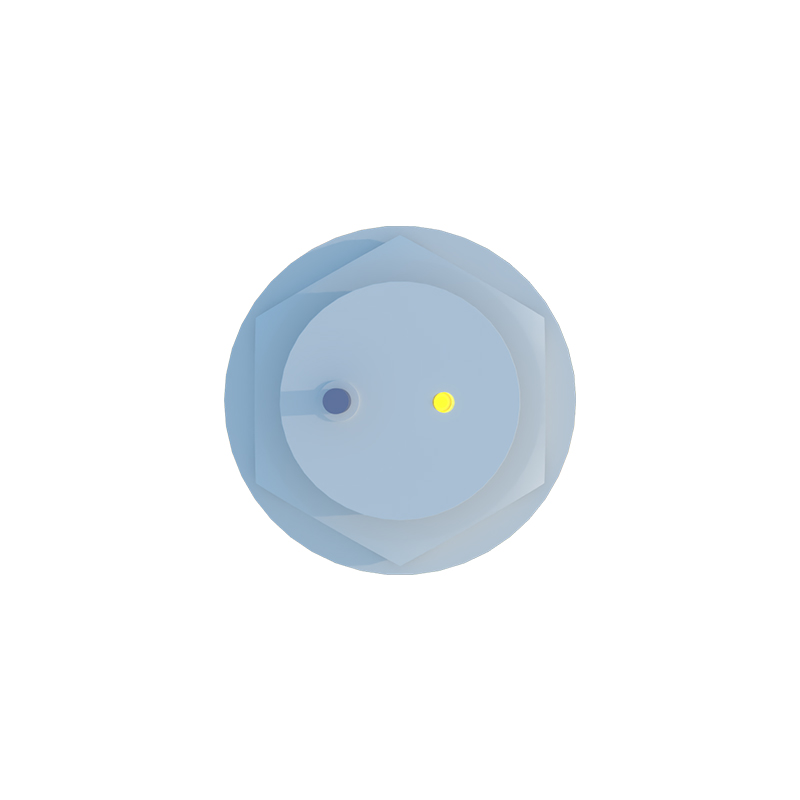
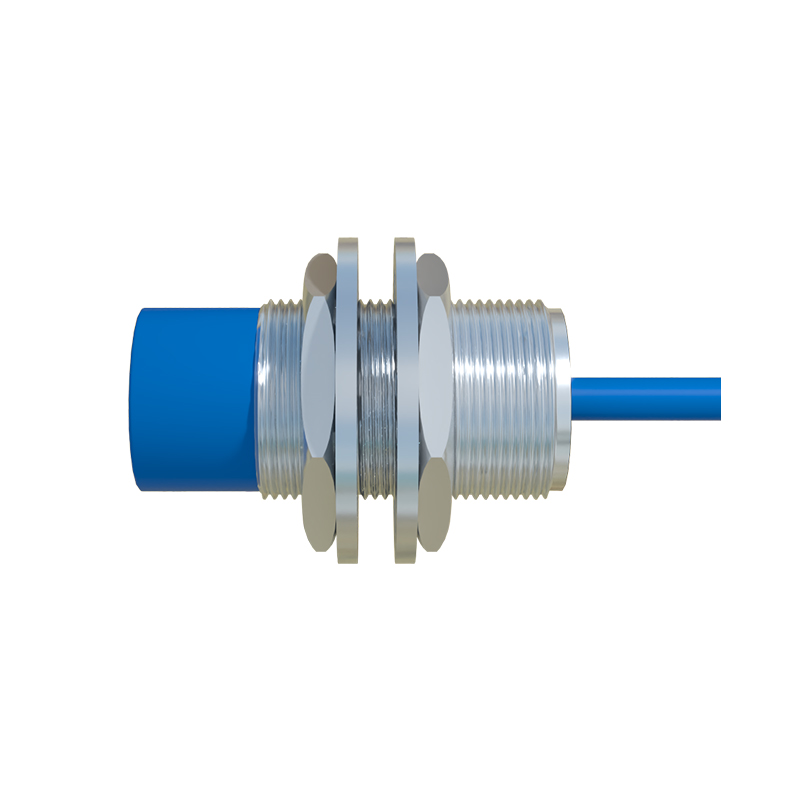
Key specifications of the S238 series often include a defined sensing range, which is calibrated for specific metals like mild steel. It's crucial to note that the effective sensing distance can vary with different metals; for instance, non-ferrous metals like aluminum or copper typically have a reduced sensing range compared to steel. The S238 sensors are commonly available in various housing designs, such as cylindrical threaded barrels (e.g., M8, M12, M18, M30 sizes) or rectangular shapes, allowing for flexible mounting in diverse machinery layouts. They are typically rated with IP67 or higher ingress protection, ensuring reliable operation in the presence of dust, oil, and coolants. The output configuration is another critical feature, with options including NPN (sinking), PNP (sourcing), Normally Open (NO), or Normally Closed (NC) contacts, allowing seamless integration with PLCs (Programmable Logic Controllers) and other control systems.
The application spectrum for the S238 inductive sensor is vast. In automotive manufacturing, they are used for detecting pistons, verifying part presence in assembly jigs, and monitoring robotic arm positions. In packaging machinery, they ensure correct bottle cap placement or carton positioning. On metalworking CNC machines, they serve as precise tool breakage detectors or workpiece position verifiers. Their inherent robustness makes them suitable for heavy industries like material handling, where they detect pallets on conveyors or monitor crane positions. A significant advantage is their immunity to environmental factors like dirt, dust, and moisture—conditions where optical sensors might fail—and their ability to function reliably in the presence of vibration and shock.
When selecting and installing an S238 proximity sensor, several engineering considerations are paramount. First, the mounting must account for the sensor's "blind zone" near its face and ensure that only the intended metallic target influences the field. Adjacent metal structures or multiple sensors mounted in close proximity can cause mutual interference, necessitating proper spacing or the use of shielded (flush-mountable) versions. Electrical compatibility with the control system's voltage (commonly 10-30V DC) and current ratings must be verified. For demanding applications involving different metal types or specific sensing distances, careful consultation of the manufacturer's correction factors and technical data sheets is essential. Regular maintenance, though minimal, involves checking for physical damage to the sensing face and ensuring electrical connections remain secure.
In summary, the S238 inductive proximity sensor exemplifies a mature yet continually relevant technology. Its durability, simplicity, and cost-effectiveness for metal detection tasks ensure its continued dominance in factory automation. As industries move towards smarter and more connected systems, the reliable binary data provided by sensors like the S238 remains the foundational layer for higher-level process control and data acquisition, proving that sometimes the most effective solutions are those that perform a single, critical function with unwavering consistency.