In the realm of industrial automation and control, capacitive proximity sensors stand as versatile and reliable workhorses. Unlike their inductive counterparts that detect only metals, capacitive sensors can detect a vast array of materials—liquids, plastics, glass, wood, and granular substances—by sensing changes in capacitance. This unique capability makes them indispensable for countless applications where non-metallic object detection is critical.
The fundamental operating principle is based on the concept of a capacitor. The sensor's active face, along with the detected object, forms the two plates of a capacitor, with the air gap acting as the dielectric. The sensor's internal oscillator generates an electrostatic field. When a target object enters this field, it alters the dielectric constant, leading to a change in the circuit's capacitance. This change is evaluated by the sensor's circuitry. Once the change exceeds a predefined threshold, the sensor triggers a switching action, sending an output signal to the connected controller, such as a PLC.
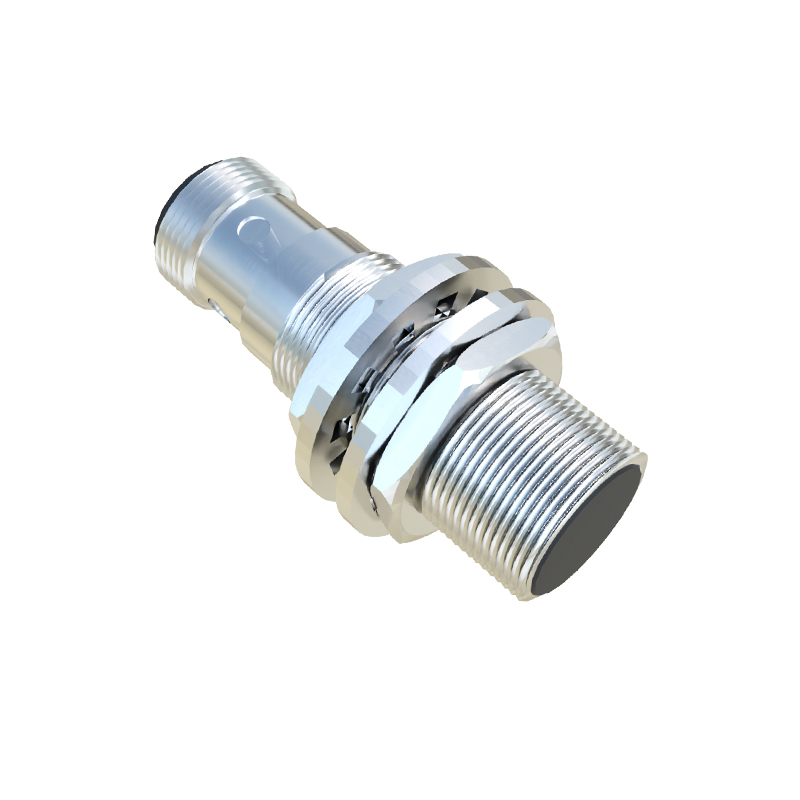
Key performance characteristics define their utility. The sensing range, typically from a few millimeters up to about 40mm for standard models, is a primary specification. It's crucial to note that the effective sensing distance can vary with the material's dielectric constant; for instance, water has a high constant and is easily detected, while some plastics may require a reduced sensing distance. Another vital feature is the built-in sensitivity adjustment, often via a potentiometer. This allows engineers to fine-tune the sensor to ignore background materials (like a container wall) and reliably detect the target material inside, preventing false triggers. Modern capacitive sensors offer various output types, including DC PNP/NPN, analog (4-20mA, 0-10V), and IO-Link for smart sensor capabilities, enabling not just detection but also parameterization and diagnostics.
The applications for capacitive sensors are remarkably diverse across industries. In packaging, they reliably detect the presence of plastic or glass bottles on a conveyor, even through thin non-metallic walls. In the food and beverage sector, they are ideal for liquid level detection in non-metallic tanks, powder level control in silos, and checking fill levels in transparent containers. Woodworking and paper processing lines use them to monitor material presence and roll diameter. In automotive assembly, they can detect composite materials or verify the presence of adhesives and sealants. A particularly common use is as a non-contact liquid level switch, providing a maintenance-free alternative to float switches.
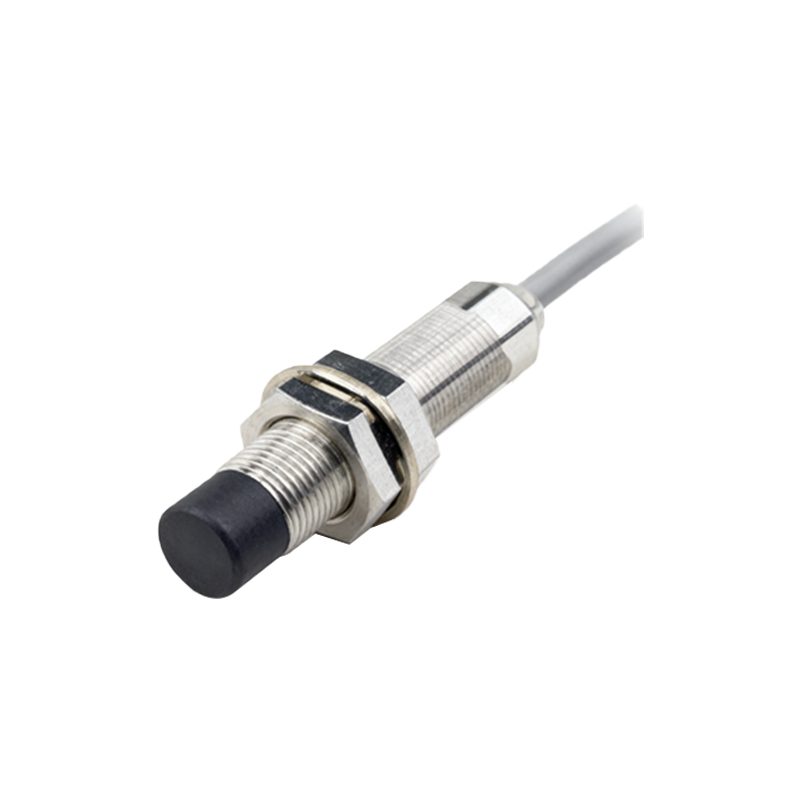
Selecting the right capacitive sensor requires careful consideration of several factors. First, identify the target material and its dielectric properties to determine the required sensitivity and effective range. The installation environment is paramount; sensors with high IP ratings (e.g., IP67, IP69K) are necessary for washdown areas in food processing, while chemically resistant housings are needed for harsh industrial atmospheres. The required output type must match the control system input. For challenging applications involving very small targets or detection through thick walls, specialized models with extended ranges or shielded designs (which have a more focused field) are available. Always consult the manufacturer's datasheet for material-specific correction factors.
Installation and commissioning best practices ensure optimal performance. Maintain the recommended clearance from surrounding metal objects to avoid influencing the electrostatic field. For level detection applications, mount the sensor on a non-metallic tank wall and adjust the sensitivity so the sensor activates when the material is present and deactivates when it is absent. Regular maintenance is generally minimal, but keeping the sensing face clean from buildup of dust, moisture, or product residue is essential for consistent operation.
The evolution of Industry 4.0 has further integrated capacitive sensors into the smart factory landscape. Sensors with IO-Link communication can transmit detailed process data, such as analog values representing approximate distance or dielectric change, enabling predictive maintenance and finer process control. This digital transformation elevates the simple proximity switch into a valuable data point within a networked ecosystem.
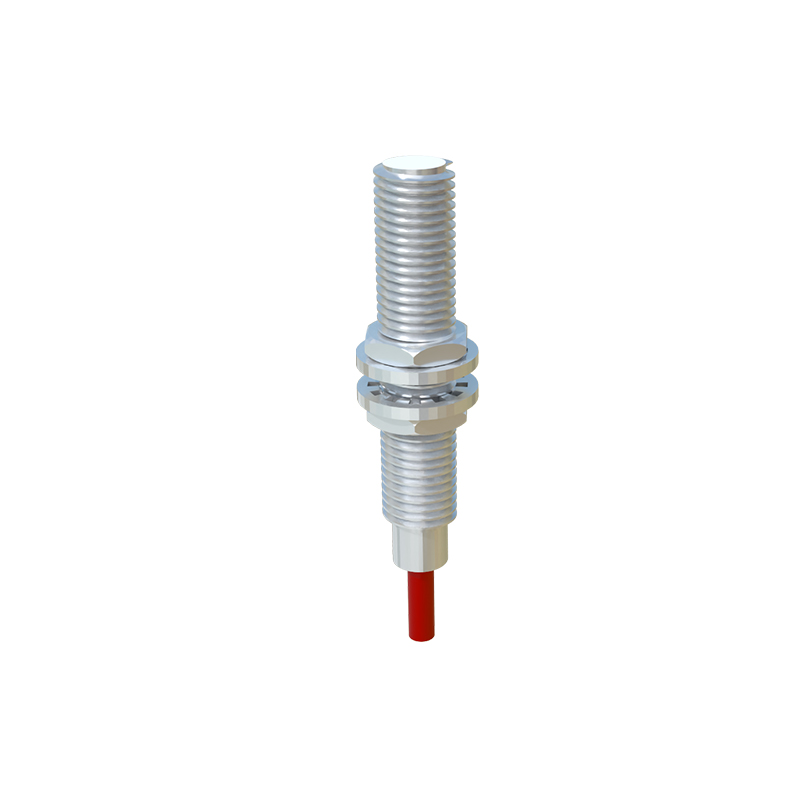
In conclusion, capacitive proximity sensors offer a unique and powerful sensing solution for material detection beyond metals. Their adaptability, reliability, and growing intelligence make them a fundamental component in automating complex processes, ensuring efficiency, quality control, and safety across a broad spectrum of modern industries. Understanding their principles and proper application is key to leveraging their full potential in any automated system.