In industrial automation and smart systems, proximity sensors play a critical role in detecting the presence or absence of objects without physical contact. However, standard proximity sensors often face limitations in detection range, which can restrict their applicability in scenarios requiring longer distances. This is where extended proximity sensors come into play, offering enhanced capabilities to bridge the gap between conventional sensing and modern demands.
Extended proximity sensors, also known as long-range proximity sensors, are designed to detect objects at significantly greater distances compared to their standard counterparts. They achieve this through advanced technologies such as infrared (IR), ultrasonic, laser, or capacitive sensing methods, optimized for extended reach. For instance, ultrasonic sensors can detect objects up to several meters away by emitting sound waves and measuring the time taken for echoes to return. Similarly, laser-based sensors use focused light beams to achieve precise long-range detection, often used in applications like vehicle automation or large-scale manufacturing.
The primary advantage of extended proximity sensors lies in their versatility. In warehouse automation, these sensors enable efficient inventory management by monitoring items on high shelves or across wide aisles, reducing the need for manual checks. In automotive safety systems, they enhance features like parking assistance or collision avoidance by detecting obstacles at longer ranges, giving drivers more time to react. Additionally, in agricultural machinery, extended sensors help in navigating fields or detecting crops from a distance, improving precision and productivity.
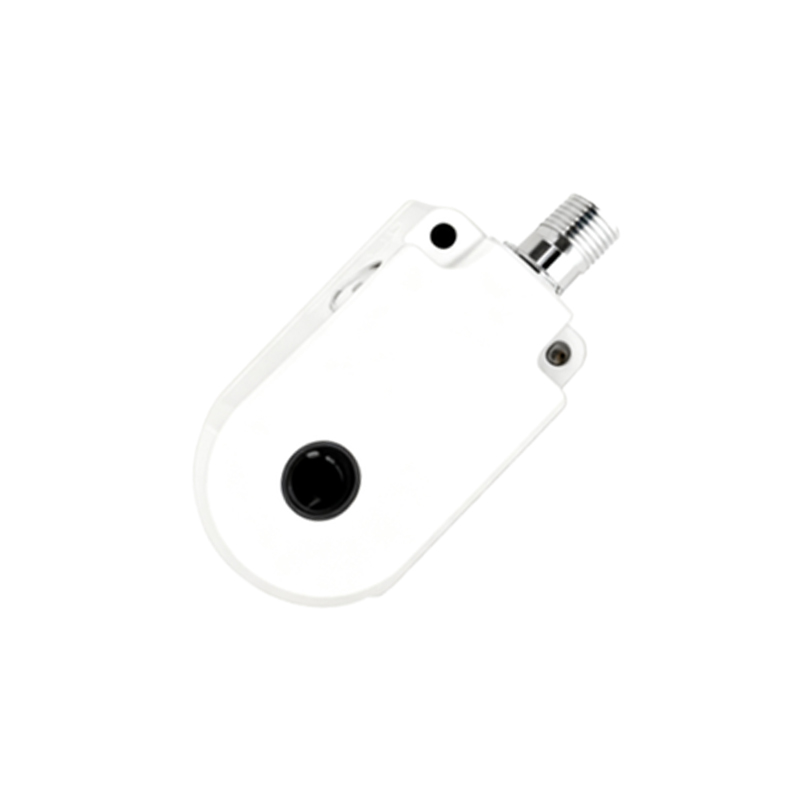
Another key benefit is improved reliability in challenging environments. Many extended proximity sensors are built with robust housings and enhanced signal processing to withstand factors like dust, moisture, or temperature variations. For example, sensors used in outdoor settings often incorporate weather-resistant materials and adaptive algorithms to maintain accuracy despite environmental interference. This makes them suitable for industries like mining, construction, or logistics, where conditions can be harsh.
When selecting an extended proximity sensor, several factors should be considered. Detection range is obviously crucial, but it's also important to evaluate the sensor's resolution, response time, and power consumption. For applications requiring high speed, such as conveyor belt systems, a fast response time ensures minimal delay in object detection. Energy efficiency is another consideration, especially for battery-operated devices in IoT networks, where extended sensors with low power draw can prolong operational life.
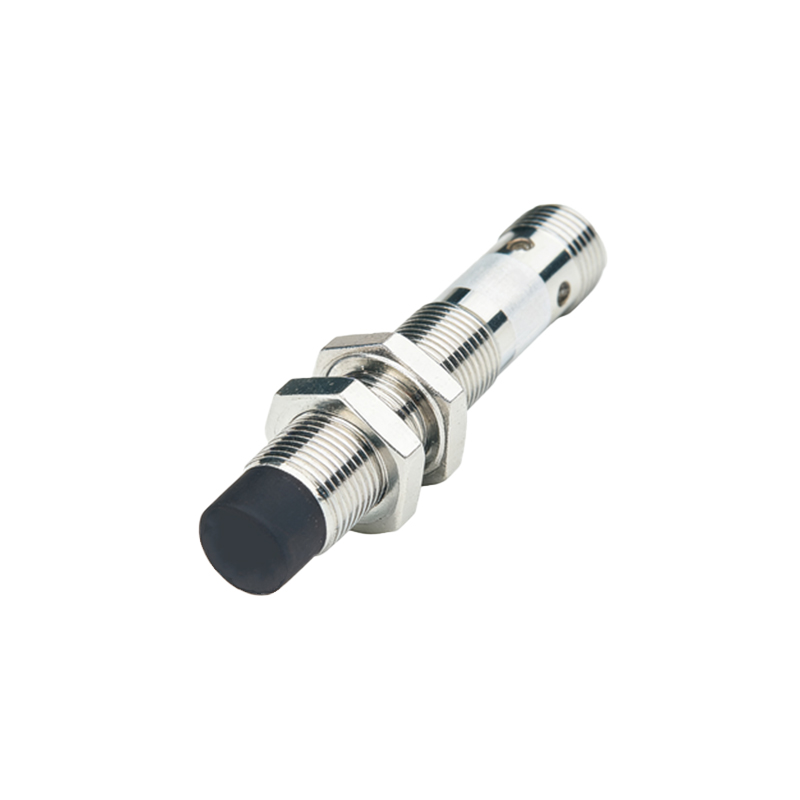
Installation and calibration are straightforward for most extended proximity sensors, thanks to user-friendly designs. Many models feature adjustable settings for range sensitivity, allowing customization based on specific needs. Integration with control systems is also seamless, often supporting standard protocols like IO-Link or Ethernet/IP, which facilitate data exchange and remote monitoring in smart factories.
Looking ahead, the evolution of extended proximity sensors is closely tied to trends in Industry 4.0 and the Internet of Things (IoT). As systems become more interconnected, these sensors are expected to incorporate smarter features, such as predictive maintenance capabilities or AI-driven analytics, to optimize performance. Innovations in materials and miniaturization may further expand their applications, enabling use in compact devices or wearable technology.
In summary, extended proximity sensors represent a significant advancement in sensing technology, addressing the growing need for longer detection ranges across various sectors. By offering enhanced flexibility, durability, and integration potential, they empower industries to achieve higher efficiency and safety standards. Whether in manufacturing, transportation, or agriculture, these sensors are poised to play a pivotal role in shaping the future of automation and smart solutions.