In industrial automation and control systems, proximity sensors are widely used for detecting the presence or absence of objects without physical contact. A common question that arises in practical applications is whether these sensors can be installed near magnets. The answer depends on several factors, including the type of proximity sensor, the strength and orientation of the magnetic field, and the specific operational requirements.
Proximity sensors primarily fall into three categories: inductive, capacitive, and magnetic (including Hall effect sensors). Inductive sensors detect metallic objects by generating an electromagnetic field. When a ferrous metal enters this field, it causes a change in oscillation, triggering the sensor. Magnets can interfere with inductive sensors because they introduce external magnetic fields that may distort the sensor's own electromagnetic field. This can lead to false triggering, reduced sensing range, or even permanent damage if the magnetic field is strong enough. For instance, placing a powerful neodymium magnet close to an inductive sensor might cause it to malfunction, as the external field alters its internal flux patterns.
Capacitive sensors, which detect both metallic and non-metallic objects by measuring changes in capacitance, are generally less affected by magnetic fields. Since they operate based on electrical charge rather than magnetism, standard magnets typically do not interfere with their functionality. However, in environments with extremely strong magnetic fields, such as those near large electromagnets, there could be indirect effects on electronic components or wiring.
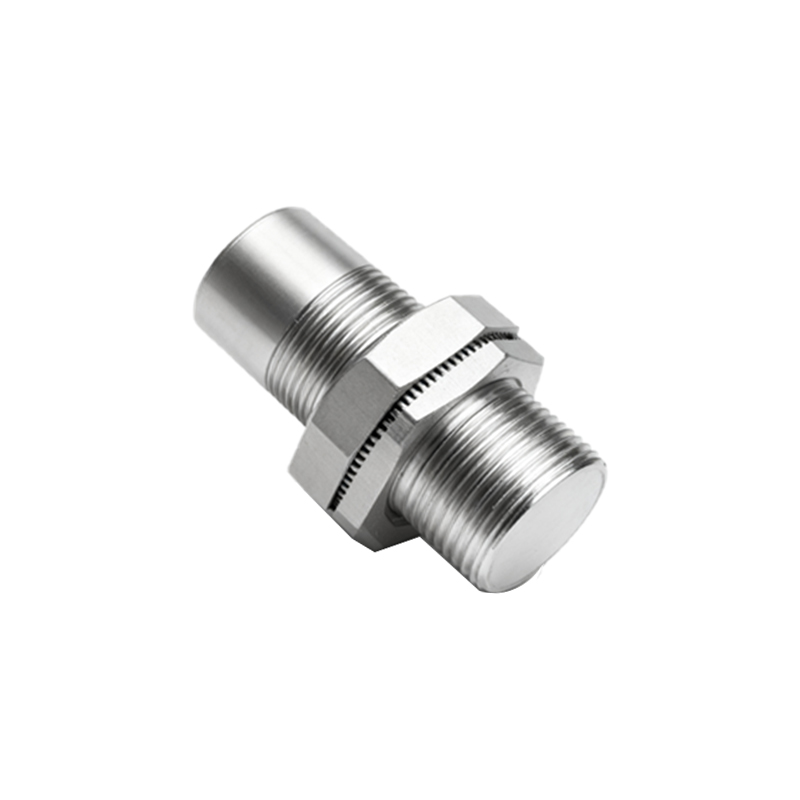
Magnetic proximity sensors, including Hall effect sensors, are designed to detect magnetic fields. They work by responding to changes in magnetic flux, making them inherently compatible with magnets. In fact, these sensors often rely on magnets as target objects. For example, a Hall effect sensor might be used to detect the position of a rotating magnet in a motor. Installing such sensors near magnets is not only acceptable but necessary for their operation. The key consideration here is ensuring the magnet's strength and polarity align with the sensor's specifications to avoid saturation or inaccurate readings.
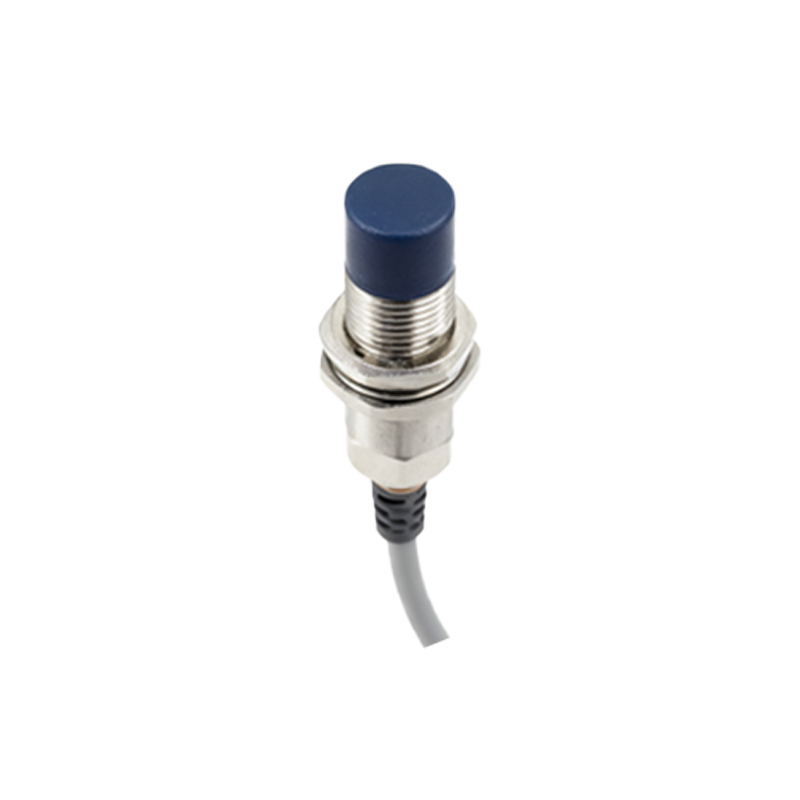
When considering installation near magnets, engineers must evaluate the sensor's datasheet and manufacturer guidelines. Most datasheets include information on electromagnetic compatibility (EMC) and environmental tolerances. Factors such as magnetic field strength (measured in Gauss or Tesla), distance from the magnet, and shielding options should be analyzed. In some cases, shielding materials like mu-metal can be used to protect sensitive sensors from magnetic interference. Additionally, the orientation of the magnet relative to the sensor can minimize impact; for instance, aligning the magnet's poles perpendicular to the sensor's sensing direction might reduce interference.
Practical applications often involve scenarios where magnets and proximity sensors coexist. In automotive systems, sensors may be placed near magnetic actuators or motors. In packaging machinery, magnetic encoders might work alongside inductive sensors. Successful integration requires thorough testing under real operating conditions to ensure reliability. Engineers should perform trials with the actual magnets and sensors to verify performance, adjusting placement or adding protective measures as needed.
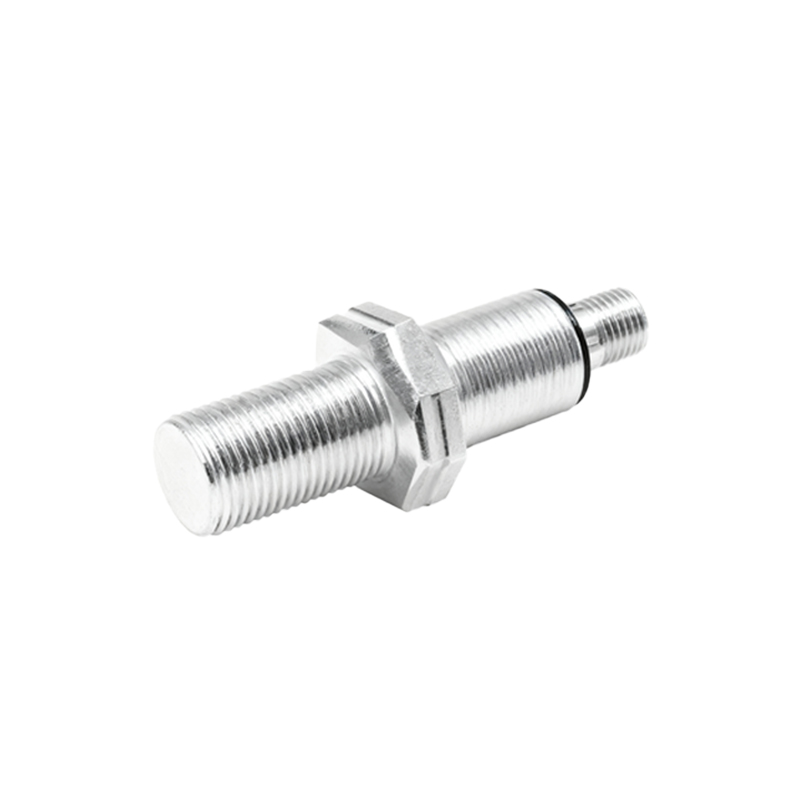
In summary, while magnetic proximity sensors can be installed near magnets without issue, inductive sensors may face interference, and capacitive sensors are generally unaffected. The decision hinges on sensor type, magnet characteristics, and environmental factors. By following manufacturer recommendations and conducting proper testing, engineers can achieve stable and accurate sensor performance even in magnetically active environments. Always prioritize safety and consult technical support when in doubt to prevent equipment failure or operational hazards.