In the highly automated world of modern manufacturing, particularly within the molding industry, precision, reliability, and efficiency are non-negotiable. Among the myriad of sensing technologies employed, proximity photoelectric sensors stand out as a critical component for ensuring seamless operations. These sensors, which detect the presence, absence, or position of an object without physical contact, are indispensable in molding processes for tasks ranging from part ejection verification to mold protection and robotic guidance.
A proximity photoelectric sensor operates on a simple yet elegant principle: it emits a beam of light—typically infrared, visible red, or laser—and detects changes in the received light signal. The three primary types are through-beam, retro-reflective, and diffuse reflective. In through-beam systems, the emitter and receiver are separate units; an object is detected when it interrupts the light beam. This configuration offers the longest sensing range and highest reliability, making it ideal for detecting small or transparent objects on high-speed molding lines. Retro-reflective sensors house both emitter and receiver in a single housing, using a reflector to bounce the light back. They are commonly used for detecting objects at moderate distances, such as verifying that a mold has fully closed. Diffuse reflective sensors, also self-contained, detect light reflected directly from the target object. Their sensing distance depends on the object's color, reflectivity, and surface texture, but they excel in applications where space constraints prevent the use of separate components, like inside a compact injection molding machine.
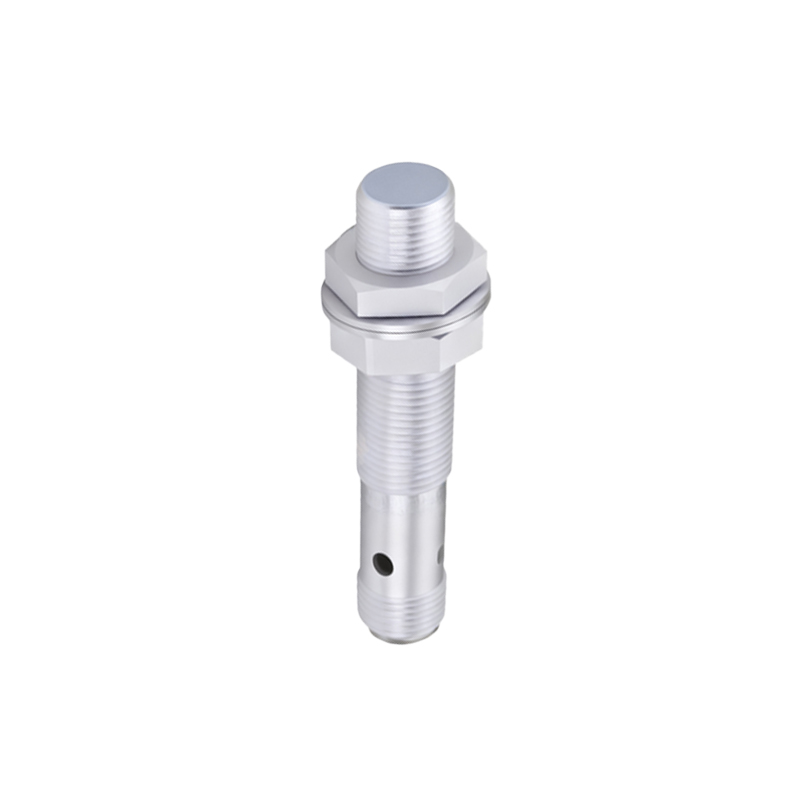
The selection of a photoelectric sensor for a molding application is a nuanced decision. Key technical parameters must be evaluated against the specific operating environment. Sensing range, response time, and light source are paramount. For instance, in high-cycle injection molding, a sensor with a sub-millisecond response time is necessary to keep pace. The choice between modulated LED light sources (which resist ambient light interference) and laser light sources (for precise, long-range detection) is crucial. Environmental factors pose significant challenges. Molding environments are often hostile, featuring high temperatures, oil mist, coolant sprays, and vibration. Sensors must be housed in robust, sealed enclosures (with IP67 or IP69K ratings being common) to withstand washdowns and physical impact. Furthermore, the presence of steam or airborne particulates can scatter light beams, leading to false triggers. Selecting sensors with robust housing, appropriate ingress protection ratings, and sometimes specialized lenses or filters is essential for mitigating these issues.
Advanced features in modern photoelectric sensors greatly enhance their utility in smart molding setups. Background suppression technology allows a sensor to detect an object within a precise, adjustable range while ignoring objects beyond it, which is vital for accurately sensing parts on a conveyor belt. Fiber optic versions, where the sensing head is connected via flexible cables to an amplifier unit, enable detection in extremely high-temperature zones or very confined spaces near the mold cavity. The integration of IO-Link communication is a game-changer, enabling not just binary detection but also the continuous monitoring of signal strength, device parameters, and predictive maintenance data. This digital connectivity allows for remote configuration, real-time diagnostics, and seamless integration into Industrial Internet of Things (IIoT) frameworks, paving the way for data-driven process optimization.
In practical molding applications, these sensors perform several critical functions. A primary application is part presence detection after ejection. A sensor confirms that a molded component has been successfully ejected from the mold before the next cycle begins, preventing costly mold damage from a partially ejected part. They are also used for mold protection, ensuring no foreign material or residual plastic (flash) is present between mold halves before closure. In automated systems, photoelectric sensors guide robots for part picking and placement, and they monitor material levels in hoppers or the position of slides and cores within the mold itself.
In conclusion, proximity photoelectric sensors are far more than simple on/off switches. They are sophisticated, reliable sentinels that guard productivity and quality in demanding molding environments. Their evolution from basic detection devices to intelligent, connected components mirrors the industry's shift towards Industry 4.0. A deep understanding of their operating principles, environmental considerations, and advanced capabilities is essential for engineers aiming to design robust, efficient, and future-proof automated molding systems. Proper selection and integration directly contribute to reduced downtime, improved product quality, and enhanced operational safety.