In the competitive landscape of industrial automation and electrical systems, short-type proximity sensors are indispensable components. Their primary function is to detect the presence or absence of an object within a short range without physical contact, making them crucial for precision control, positioning, and safety applications. For procurement specialists, engineers, and business owners, understanding the factors that determine the factory price of these sensors is essential for making informed purchasing decisions and optimizing project budgets.
The factory price, or ex-works price, of a short-type proximity sensor is not a single figure but a composite influenced by a multifaceted array of technical, material, and market variables. At its core, the sensing technology employed is a primary cost driver. Inductive sensors, designed to detect metallic objects, are generally the most cost-effective due to mature manufacturing processes and widespread use. Capacitive sensors, capable of detecting both metallic and non-metallic materials, often carry a slightly higher price tag due to their more complex circuitry and calibration requirements. The most advanced, and typically most expensive, are the ultrasonic and laser-based short-range sensors, which offer high precision and are used in specialized applications.
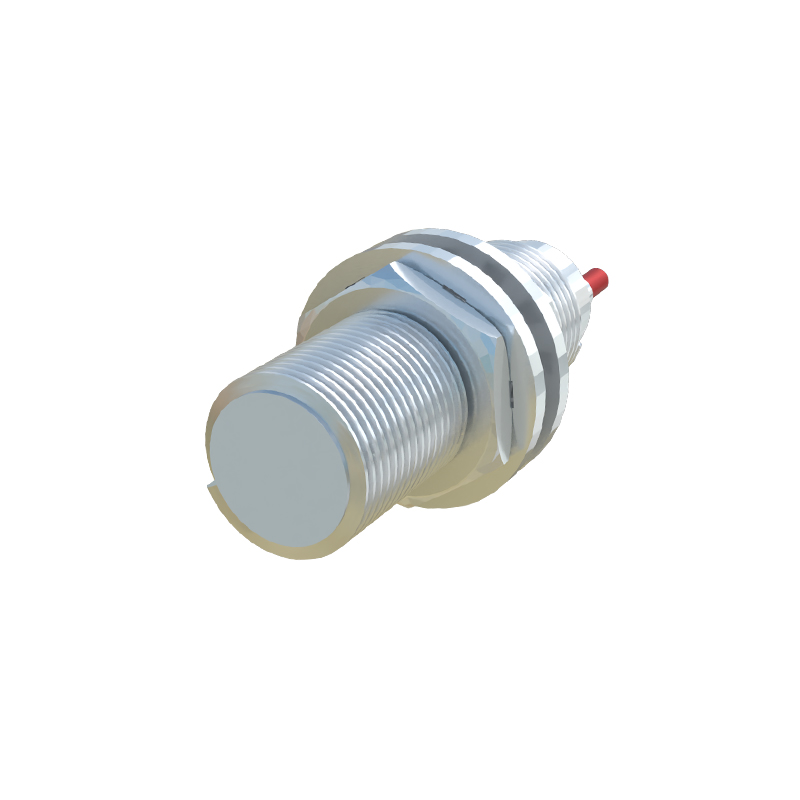
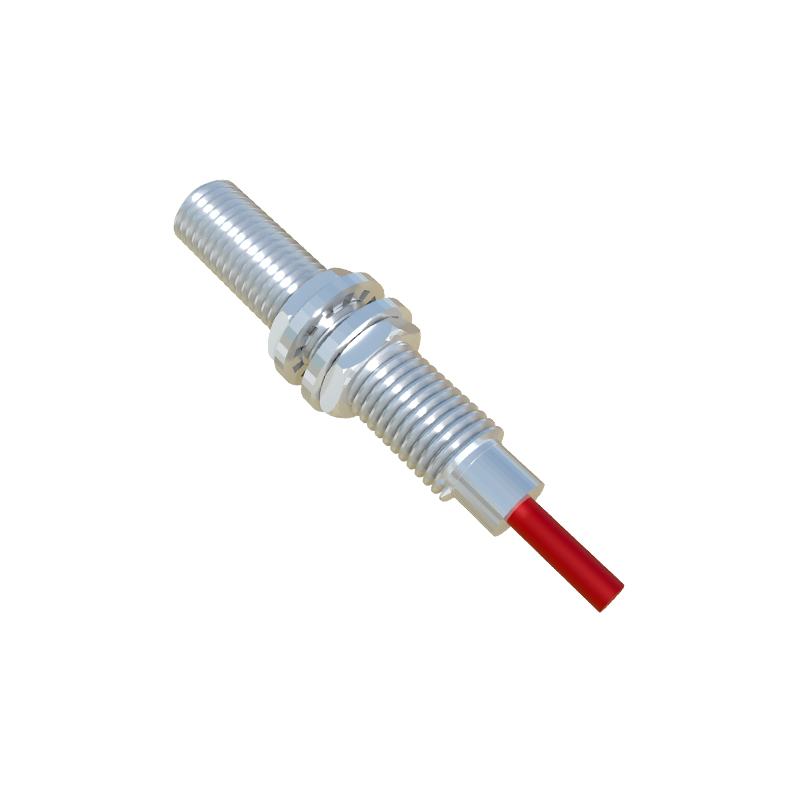
Beyond the core technology, the specifications and build quality directly impact cost. Key specifications include sensing distance, repeat accuracy, response frequency, and housing material. A sensor with a standard 2mm sensing distance will be less expensive than one rated for 5mm with the same form factor. Similarly, sensors boasting high repeat accuracy (e.g., ±0.01mm) and fast response times (in the microsecond range) command a premium due to the precision engineering required. The housing material is another significant factor; stainless steel or nickel-plated brass housings for harsh environments (resistant to chemicals, oils, and physical impact) are more costly than standard PBT or ABS plastic housings used in benign conditions.
Electrical output type and connection method also play a role. Basic two-wire DC sensors are often the most economical. Three-wire DC (PNP or NPN) and four-wire (dual-output) sensors, offering more stable performance and easier integration with programmable logic controllers (PLCs), are priced higher. Connector types, whether pre-wired cables, quick-disconnect plugs, or terminal connections, add varying levels of cost and convenience.
Manufacturing scale and brand equity are powerful economic factors. Large-scale manufacturers benefit from economies of scale, purchasing raw materials in bulk and optimizing production lines, which can lower the per-unit factory price. Established global brands with a reputation for reliability, extensive R&D, and robust quality control (e.g., Siemens, Omron, Pepperl+Fuchs, Sick) typically price their products at a premium compared to generic or regional manufacturers. This premium is often justified by longer product lifecycles, comprehensive technical support, and global warranty services, which reduce total cost of ownership despite a higher initial price.
Supply chain dynamics and raw material costs are volatile elements. The prices of copper, rare-earth elements for magnets, semiconductors, and specialized plastics fluctuate based on global commodity markets and geopolitical stability. Recent trends like supply chain disruptions and increased costs for international logistics can directly inflate the factory price. Furthermore, compliance with international standards (e.g., IEC, UL, CE) and specific industry certifications (for use in food & beverage, hazardous areas) involves testing and documentation, adding to the manufacturing cost.
When negotiating or evaluating a factory price, it is critical to look beyond the base unit cost. Consider the minimum order quantity (MOQ), which can significantly affect the price per piece. Payment terms (e.g., letter of credit, wire transfer), lead times, and packaging requirements are all negotiable points that influence the final landed cost. For large projects, requesting a formal quotation based on a detailed technical specification sheet is paramount to ensure you are comparing equivalent products.
In conclusion, the factory price of a short-type proximity sensor is a reflection of its technological sophistication, performance specifications, build quality, and the manufacturer's operational efficiency. A thorough analysis of these factors, aligned with the specific demands of the application—whether it's for a high-speed packaging line, a robotic welding cell, or a cleanroom environment—enables buyers to strike the optimal balance between performance, durability, and cost. Investing time in specification clarity and supplier evaluation ultimately leads to more reliable system integration and lower long-term operational expenses.