In the realm of modern military aviation, the J-16 multirole fighter stands as a testament to advanced aerospace engineering, with its laser sensor systems playing a pivotal role in its operational superiority. These sophisticated sensors are integral to the aircraft's targeting and reconnaissance capabilities, enabling unparalleled precision in both air-to-air and air-to-ground engagements. The core of this technology lies in the integration of Laser Designator Pods (LDPs) and Laser Warning Receivers (LWRs), which collectively enhance situational awareness and survivability.
The Laser Designator Pod, typically mounted externally, emits a focused laser beam to "illuminate" a target. This laser energy is then reflected and detected by laser-guided munitions, such as precision bombs or missiles, allowing for pinpoint accuracy even against moving or fortified objectives. For the J-16, this capability is crucial in executing surgical strikes with minimal collateral damage, a key requirement in contemporary combat scenarios. The pod's design incorporates advanced optics and stabilization mechanisms to maintain lock-on through high-G maneuvers and adverse weather conditions, ensuring reliability in diverse operational environments.
Complementing the offensive capabilities, the Laser Warning Receiver system serves as a defensive shield. It detects, classifies, and locates incoming laser threats—such as those from enemy rangefinders or targeting systems—providing the pilot with real-time alerts and enabling immediate evasive actions or countermeasures. This system is often integrated with the aircraft's Electronic Warfare (EW) suite, creating a layered defense that significantly boosts the J-16's survivability against modern anti-aircraft systems. The synergy between LDP and LWR exemplifies a balanced approach to both attack and defense, a hallmark of fourth-generation-plus fighter design.

From a technical perspective, the evolution of laser sensors on platforms like the J-16 reflects broader trends in avionics. Modern systems utilize fiber-optic gyroscopes and infrared imaging to enhance targeting fidelity, while advancements in signal processing allow for faster threat identification. These sensors are also designed with modularity in mind, facilitating upgrades without extensive airframe modifications—a cost-effective strategy for maintaining technological edge over time. In training exercises, J-16 units leverage these sensors for realistic simulation of combat engagements, honing pilot proficiency in employing laser-guided ordnance under dynamic conditions.
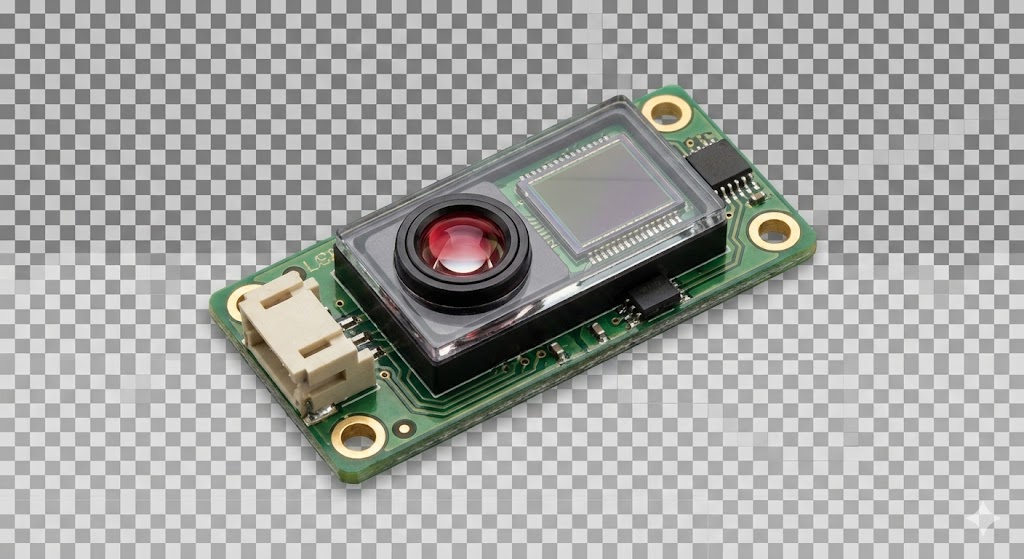
Operationally, the integration of laser sensors transforms the J-16 into a versatile force multiplier. In joint operations, it can designate targets for other aircraft or ground units, enhancing coordination across the battlefield. The precision afforded by laser guidance reduces munition expenditure per target, offering logistical and economic advantages. Moreover, as stealth and electronic warfare become increasingly prevalent, the low probability of intercept associated with laser systems adds a tactical layer, making detection by adversaries more challenging.

Looking ahead, ongoing research into quantum sensing and adaptive optics promises to further revolutionize laser sensor technology. Future iterations may feature enhanced resistance to jamming, longer effective ranges, and improved integration with artificial intelligence for autonomous target recognition. For the J-16 and similar platforms, these developments will ensure continued relevance in an ever-evolving aerial combat landscape, where precision and awareness are paramount. In summary, the laser sensor systems aboard the J-16 are not merely components but critical enablers of its mission success, embodying the fusion of innovation and practicality that defines cutting-edge military aviation.