In the realm of industrial automation, proximity sensors are indispensable components for non-contact detection of objects. Among the various types, PNP (Positive-Negative-Positive) proximity switch sensors housed in robust square enclosures represent a highly reliable and widely adopted solution. This article delves into the operational principles, key features, application considerations, and advantages of these specific sensors, providing a comprehensive overview for engineers and technicians.
At its core, a PNP proximity sensor is a solid-state electronic device. The term "PNP" refers to the type of transistor output stage used. In a PNP configuration, the output wire (typically the brown or black wire for power, and the blue wire for common/ground, depending on the color code standard) switches the positive voltage (V+) to the load when a target is detected. Essentially, the sensor acts as a sourcing device; it provides the positive supply voltage to the connected control input, such as a PLC (Programmable Logic Controller) input module. This is in contrast to NPN sensors, which sink current to ground. The choice between PNP and NPN often depends on the prevailing electrical conventions of the control system, with PNP being standard in many European and Asian designs.
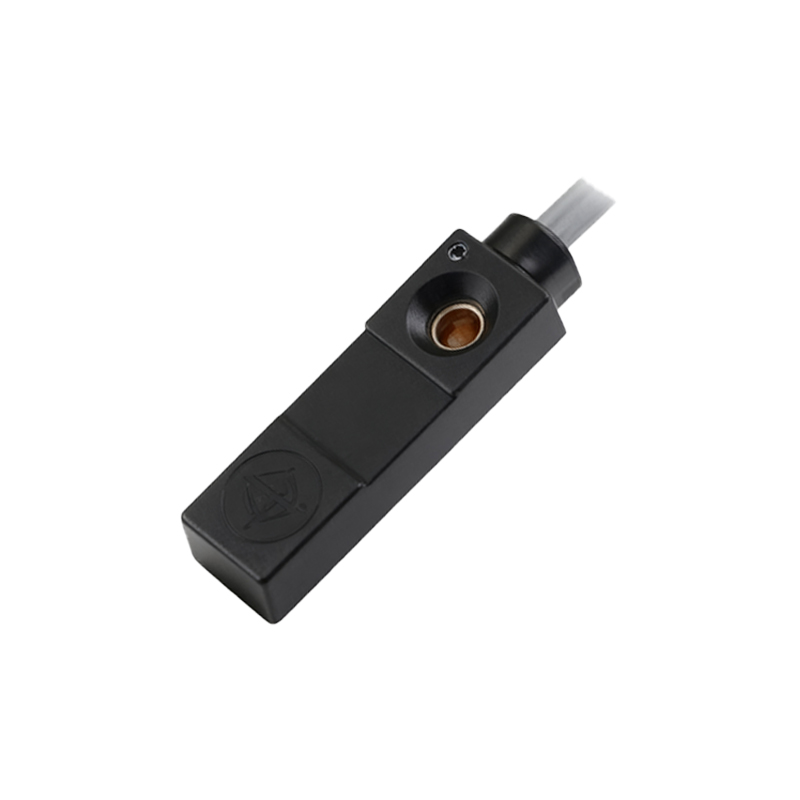
The square housing of these sensors is a critical design feature. Unlike cylindrical models, square-bodied sensors offer distinct advantages. Their flat surfaces facilitate easier and more secure mounting, especially on machine frames or within enclosures where space might be constrained in one dimension. The housing is typically constructed from materials like nickel-plated brass, stainless steel, or high-grade plastics such as PBT (Polybutylene Terephthalate), ensuring excellent resistance to mechanical impacts, vibrations, and harsh industrial environments. This robust construction often translates to high IP (Ingress Protection) ratings, commonly IP67 or IP68, signifying complete protection against dust and protection against temporary or prolonged immersion in water.
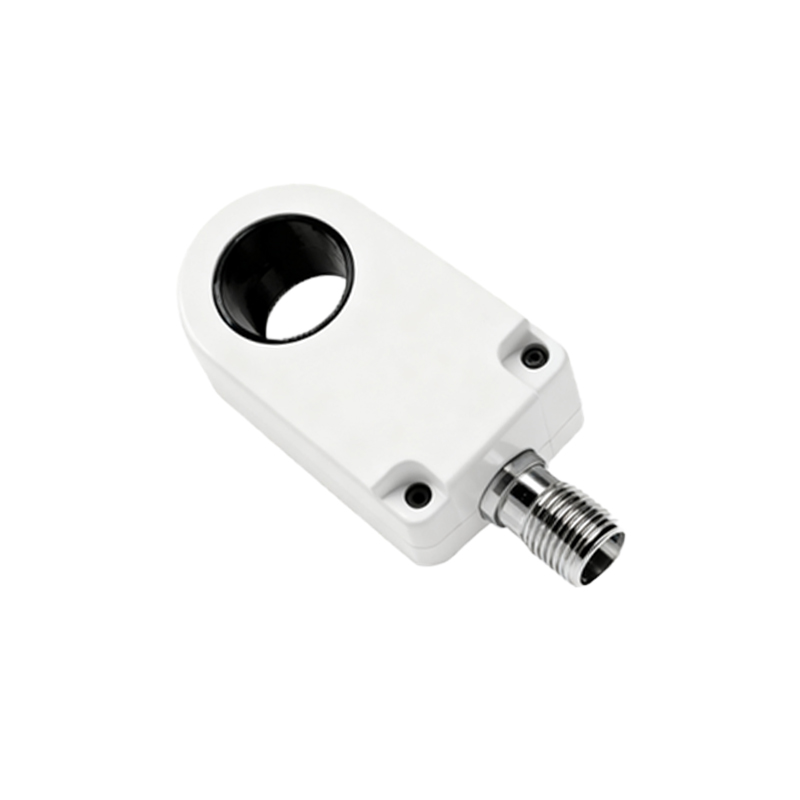
The sensing technology within these square PNP switches is predominantly inductive. An inductive proximity sensor generates an oscillating electromagnetic field from its face. When a metallic target (ferrous or non-ferrous, depending on the sensor's specification) enters this field, it induces eddy currents in the target, which dampens the oscillation. The sensor's internal circuitry detects this change and triggers the switching of the PNP transistor output. For non-metallic object detection, capacitive versions in square housings are also available, operating on the principle of capacitance change.
Key specifications for selecting a square PNP proximity sensor include:
Sensing Distance: The nominal operating distance (Sn), typically ranging from a few millimeters to several centimeters. It's crucial to note that this is defined for a standard target; actual performance can vary with target material and size.
Output Configuration: PNP, normally open (NO) or normally closed (NC). A NO contact closes (sources voltage) when a target is present.
Supply Voltage: Commonly operates on DC voltages from 10-30V DC, compatible with standard industrial control voltages.
Switching Frequency: The maximum number of on/off cycles per second, important for high-speed applications.
Housing Size and Material: The square dimensions (e.g., 20mm x 20mm x 10mm) and material dictate mounting compatibility and environmental resilience.
Connection Type: Options include pre-wired cables or quick-disconnect (M8, M12) connectors, with the latter offering easier maintenance and replacement.
The applications for square PNP proximity sensors are vast across manufacturing, packaging, material handling, and automotive industries. They are ideal for:
Position Verification: Confirming the presence or absence of a part on a conveyor or in a fixture.
End-of-Travel Detection: Sensing the limit position of a cylinder or linear actuator.
Counting and Sorting: Detecting objects on a production line for inventory or routing purposes.
Machine Safety: Used as part of interlock systems, though not as primary safety devices (which require safety-rated components).
The primary advantages of using a square-housed PNP sensor are its mechanical stability, ease of installation, and compatibility with common control logic. The square design prevents rotation after mounting, ensuring consistent sensing alignment. Their widespread use means broad availability and familiarity among maintenance personnel. When integrating them, engineers must ensure proper wiring: connecting the brown wire (typically V+), blue wire (0V/common), and the black (or white) output wire to the PLC input. A protective element like a flyback diode or a surge suppressor may be recommended for inductive loads to protect the sensor's solid-state output.
In conclusion, the PNP proximity switch sensor in a square housing is a versatile, durable, and logically straightforward component fundamental to modern industrial control. Its design mar