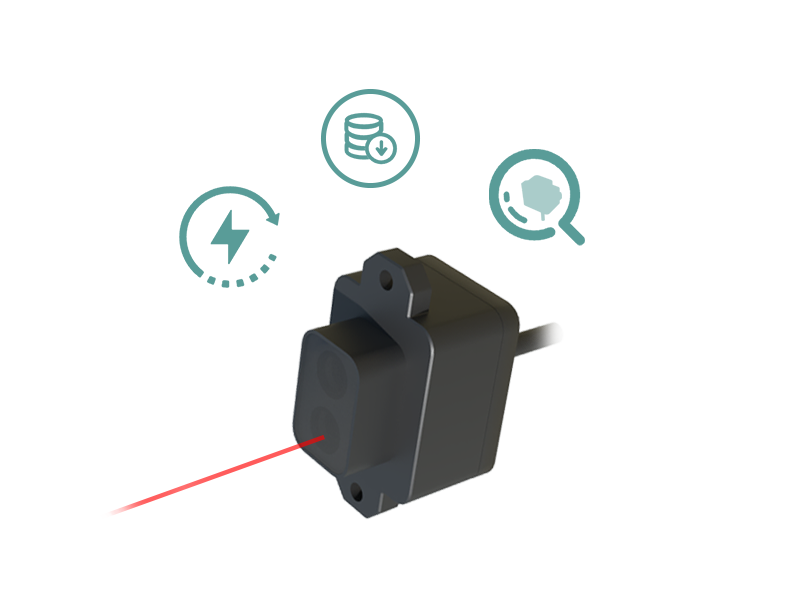
In the world of DIY electronics and tech projects, building a custom laser sensor can be a rewarding endeavor that combines optics, electronics, and programming. This guide walks through the fundamentals of creating a basic laser sensor system, suitable for applications like security alarms, object detection, or precision measurements.
First, understand the core components: a laser module, a photoresistor or photodiode as the receiver, and a microcontroller like Arduino or Raspberry Pi for processing. The laser emits a focused beam of light, which, when interrupted by an object, triggers a change in the receiver's output. This signal is then interpreted by the microcontroller to perform actions such as sounding an alarm or logging data.
Start by selecting a low-power laser module, typically a 5mW red laser, which is safe for indoor use. Pair it with a photoresistor for simple projects or a photodiode for faster response times. Connect the receiver to an analog pin on the microcontroller to monitor voltage changes. When the laser beam hits the receiver directly, the voltage remains high; if blocked, it drops, indicating an interruption.
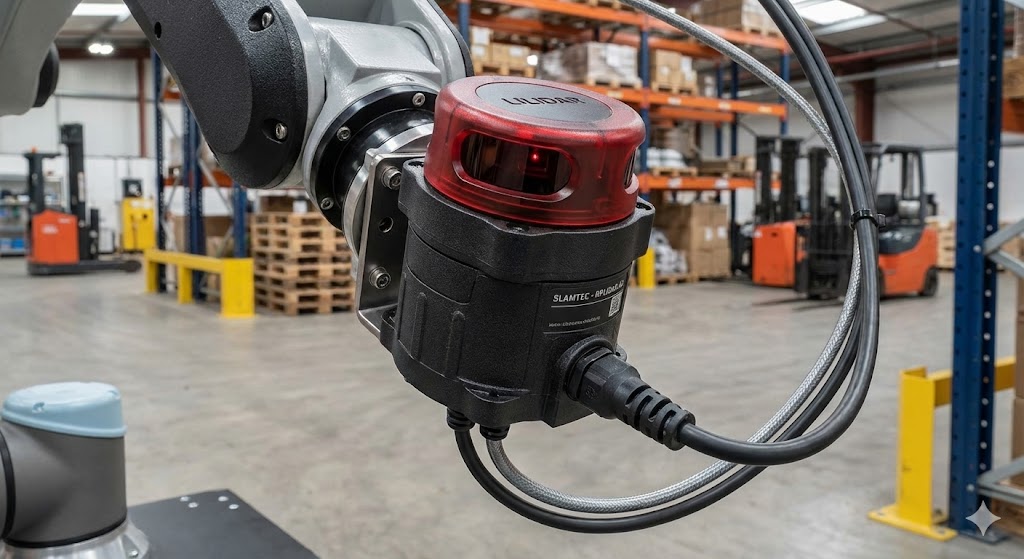
Programming involves setting a threshold value to distinguish between "beam present" and "beam broken" states. Use conditional statements in your code to trigger outputs—for example, activating a buzzer or sending a notification. For enhanced accuracy, consider adding ambient light compensation by calibrating the sensor in its operating environment.
Safety is paramount: always avoid pointing lasers at eyes or reflective surfaces. Enclose the sensor in a housing to protect components and reduce interference. Test the system in a controlled setting, adjusting sensitivity as needed. Advanced modifications might include using infrared lasers for invisible detection or integrating wireless modules for remote monitoring.
This project not only hones technical skills but also opens doors to innovative applications, from automated systems to interactive art. With careful assembly and coding, your laser sensor can become a reliable tool in your tech toolkit.