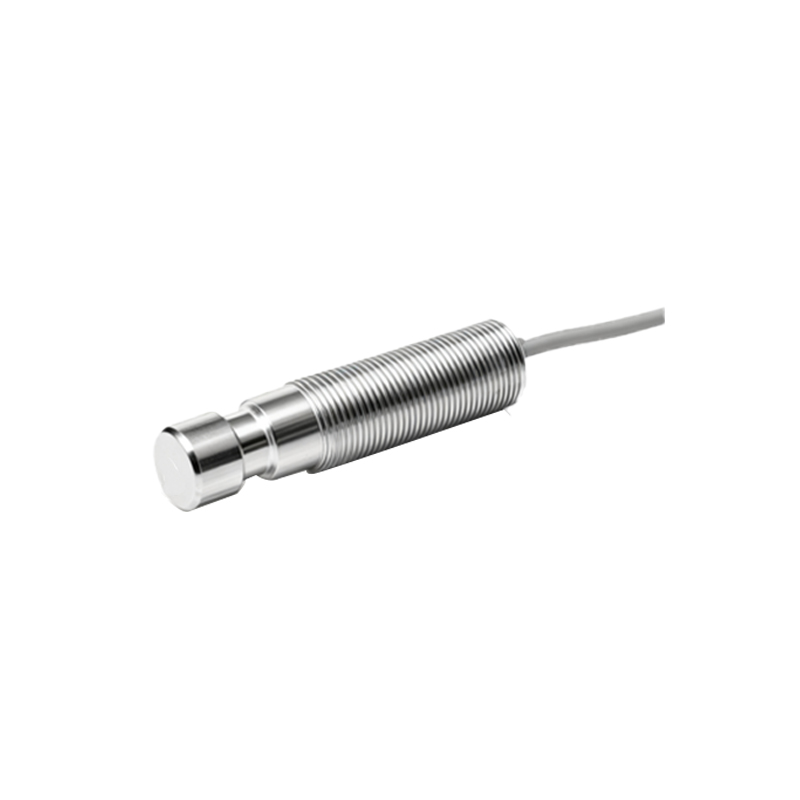
In industrial automation, robotics, and consumer electronics, proximity sensors play a critical role in detecting the presence or absence of objects without physical contact. One of the most vital performance parameters for these sensors is switching speed—the time it takes for the sensor to respond to a detected object and output a signal. Understanding switching speed is essential for selecting the right sensor for applications requiring high precision, reliability, and efficiency.
Switching speed, often measured in milliseconds (ms) or microseconds (µs), refers to the total response time from the moment a target enters the sensing range to when the sensor’s output changes state. This includes both the sensing element’s reaction time and the internal processing or output circuit delay. For instance, an inductive proximity sensor might have a typical switching speed of 0.5 ms, while a capacitive sensor could range from 10 to 50 ms depending on material and environmental factors. Faster switching speeds enable higher operational frequencies, making sensors suitable for high-speed counting, sorting, or positioning tasks.
Several factors influence proximity sensor switching speed. The sensor type is primary: inductive sensors, which detect metallic objects via electromagnetic fields, generally offer the fastest response due to their simple oscillation-based principle. Capacitive sensors, sensitive to both metallic and non-metallic materials, may be slower as they measure changes in capacitance affected by humidity or material density. Photoelectric sensors use light beams and can achieve very high speeds, but their performance may vary with target reflectivity and ambient light. Additionally, sensing distance plays a role; shorter ranges often allow quicker detection because the signal-to-noise ratio is higher. Output configuration also matters—PNP/NPN transistor outputs typically respond faster than relay-based outputs, which have mechanical lag.
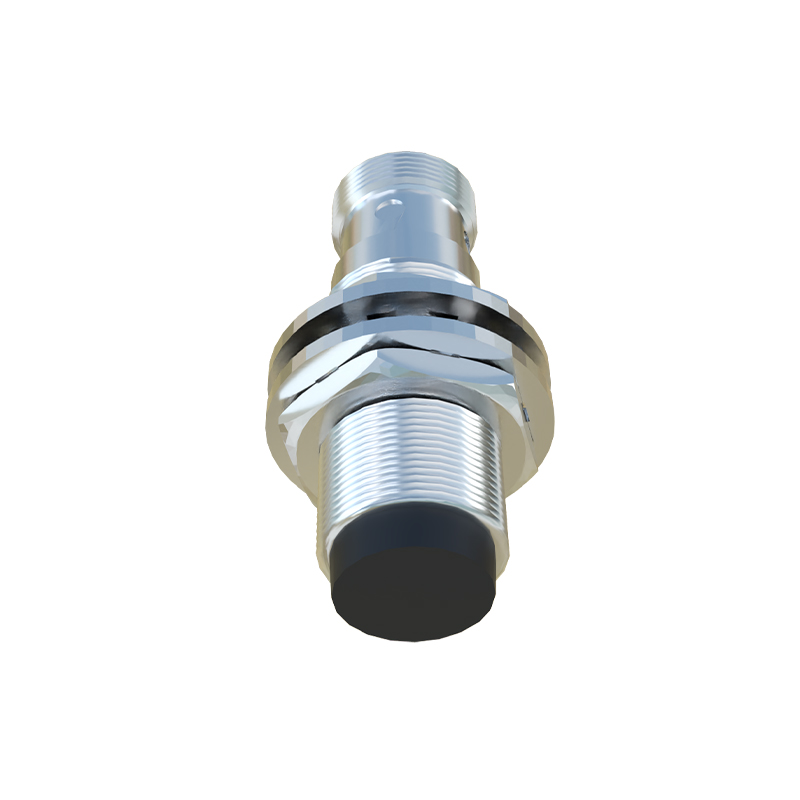
Environmental conditions can further impact switching speed. Temperature fluctuations may alter electronic component behavior, while electrical noise in industrial settings can cause signal interference, leading to delayed or false responses. To mitigate this, many modern sensors incorporate filtering algorithms or shielding, though these can add minimal processing delay. For example, a sensor with adjustable response time filters might trade off some speed for improved stability in noisy environments.
In practical applications, switching speed must align with system requirements. In packaging machinery, sensors with sub-millisecond speeds ensure precise product counting without missing items. Automotive assembly lines use fast inductive sensors to verify part placement in real-time. Conversely, in slower processes like liquid level detection, a sensor with moderate speed may suffice, prioritizing accuracy over rapid response. It’s crucial to consider not just the sensor’s rated speed but also the overall system timing, including controller scan cycles and actuator delays.
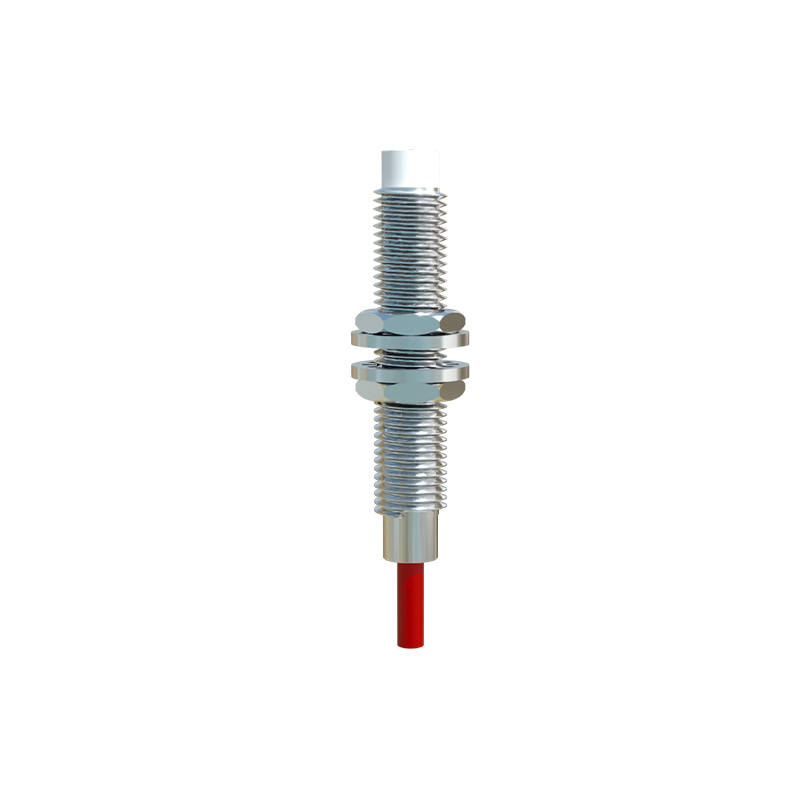
To optimize switching speed, engineers should follow best practices. Select sensors with appropriate sensing ranges—avoid excessive margins that reduce signal strength. Ensure proper installation, aligning sensors perpendicular to targets and minimizing vibration. Regular maintenance, such as cleaning lenses for photoelectric sensors or checking for metal debris on inductive units, helps sustain performance. Additionally, consult manufacturer datasheets for detailed specifications under varying conditions, as switching speed may be listed for ideal scenarios.
Emerging trends are pushing the boundaries of proximity sensor speed. Advanced designs with digital signal processing (DSP) and integrated circuits enable faster, more consistent responses while reducing susceptibility to noise. Wireless and IoT-enabled sensors introduce minimal latency but focus on data transmission efficiency. As industries embrace Industry 4.0, the demand for high-speed, reliable sensing will grow, driving innovation in materials and electronics.
In summary, proximity sensor switching speed is a multifaceted parameter that depends on sensor technology, design, and application context. By carefully evaluating speed alongside factors like accuracy, environment, and cost, users can enhance system productivity and reliability. Whether for high-speed manufacturing or everyday automation, the right sensor choice ensures seamless operation in an increasingly dynamic technological landscape.