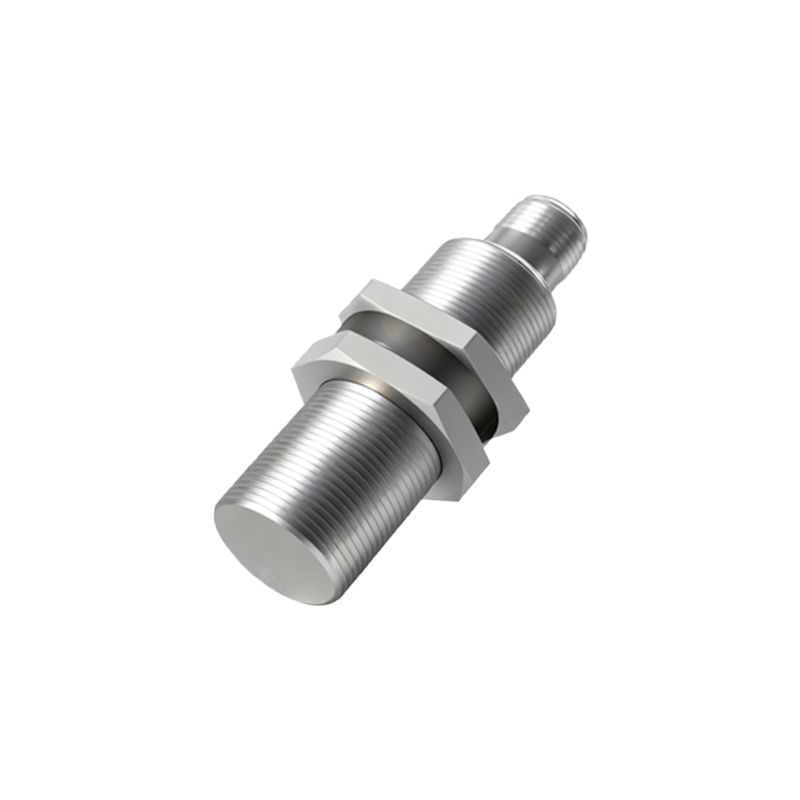
In today's rapidly evolving technological landscape, proximity sensors have become ubiquitous, silently powering countless interactions in our daily lives and industrial processes. While technical datasheets provide specifications, nothing demonstrates the versatility and practical implementation of these devices quite like proximity sensor application videos. These visual resources bridge the gap between abstract theory and tangible reality, offering engineers, students, and hobbyists an invaluable window into real-world functionality.
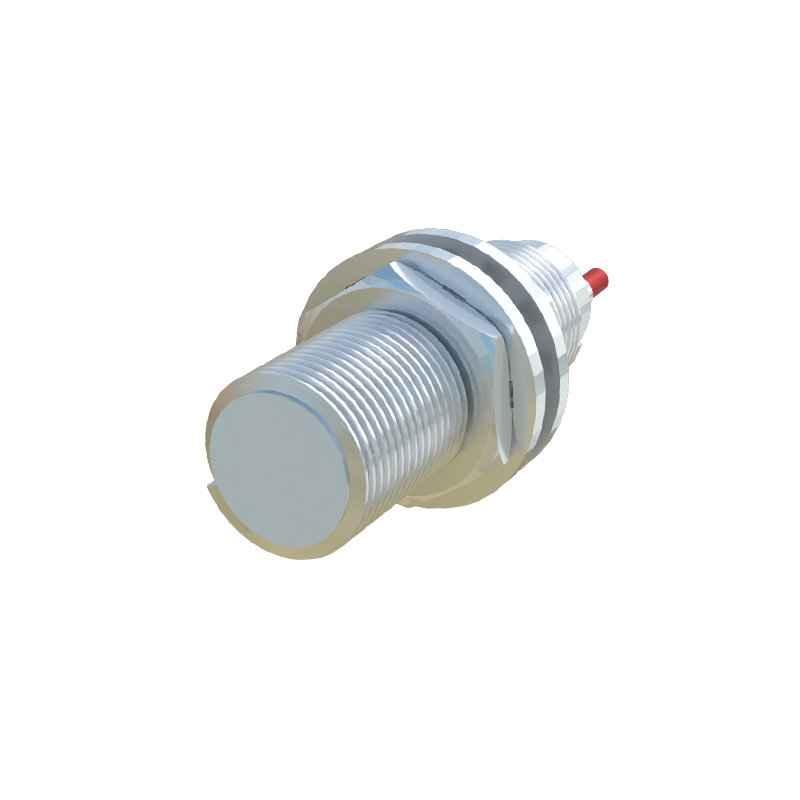
A well-crafted proximity sensor application video typically begins by showcasing the core principle. Viewers can see how different types—inductive, capacitive, photoelectric, and ultrasonic—react to various targets. For instance, an inductive sensor video might demonstrate its immunity to non-metallic objects like wood or plastic, while a capacitive sensor video shows its ability to detect liquids or materials through a barrier. This immediate visual comparison is far more impactful than reading a list of features.
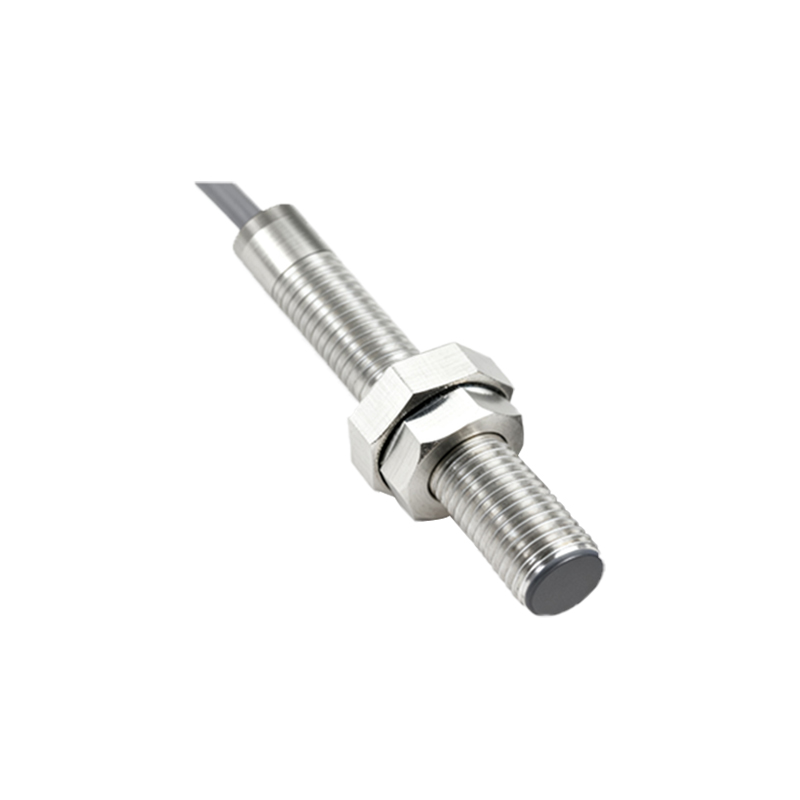
The true educational power of these videos unfolds in specific application scenarios. In industrial automation, videos vividly illustrate how cylindrical inductive sensors provide precise position feedback for pneumatic cylinders, ensuring a robotic arm stops at the exact point for picking and placing components. Another compelling video might detail the use of diffuse photoelectric sensors in conveyor belt systems, showing the exact moment a sensor detects a passing package and triggers a sorting gate. Seeing the timing, the physical setup, and the sensor's response in motion clarifies critical design considerations like sensing range, response time, and environmental factors like dust or vibration.
Consumer electronics applications are equally fascinating to observe. A high-quality video can dissect how a smartphone uses an IR-based proximity sensor to disable the touchscreen during a call. By visually demonstrating the sensor activating when a hand or face comes near, it explains the prevention of accidental cheek-presses. Similarly, videos showcasing automatic faucets, soap dispensers, or paper towel dispensers in public restrooms demystify the hygienic, touch-free technology powered by infrared or ultrasonic proximity sensing, highlighting their reliability and power-saving modes.
For automotive engineers and enthusiasts, application videos are indispensable. They provide clear visuals of how ultrasonic sensors embedded in bumpers measure distances during parking, with on-screen graphics often simulating the audible beeps that increase in frequency as a vehicle approaches an obstacle. Other videos explore rain-sensing wipers, where an optical sensor detects droplets on the windshield, or systems that prevent doors from closing on an obstacle. The dynamic nature of video is perfect for showing these safety-critical functions in action.
Emerging and niche applications gain tremendous clarity through video documentation. In agriculture, videos can show how sensors monitor grain levels in silos. In healthcare, footage might explain the non-contact operation of medical equipment. For makers and Arduino/Raspberry Pi projects, tutorial videos are crucial. They step through wiring diagrams, code snippets, and live demonstrations—like creating an automatic lighting system that turns on when someone enters a room or building a simple object counter for a mini production line. These videos empower innovation by showing the complete journey from component to working prototype.
When seeking out or creating such content, key elements define its usefulness. Look for videos with clear, high-resolution footage of both the sensor and the overall mechanism. Overlaid diagrams or text callouts explaining the signal flow (e.g., "Target Detected → Digital HIGH Signal → PLC Input") are highly beneficial. Context about the environment—such as discussions on mitigating interference from other metal objects for inductive sensors or dealing with ambient light for photoelectric sensors—adds immense practical value. Comparisons between sensor types for the same task help viewers make informed selection choices.
Ultimately, proximity sensor application videos serve as a dynamic knowledge repository. They accelerate the learning curve, inspire new design solutions, and provide concrete evidence of a sensor's capabilities beyond its datasheet. For anyone involved in design, maintenance, or education, incorporating these visual case studies into their research process is not just helpful; it's a practical necessity for understanding how these invisible workhorses shape our interactive world. By watching a sensor solve a real problem, the abstract becomes concrete, sparking ideas for the next innovation.