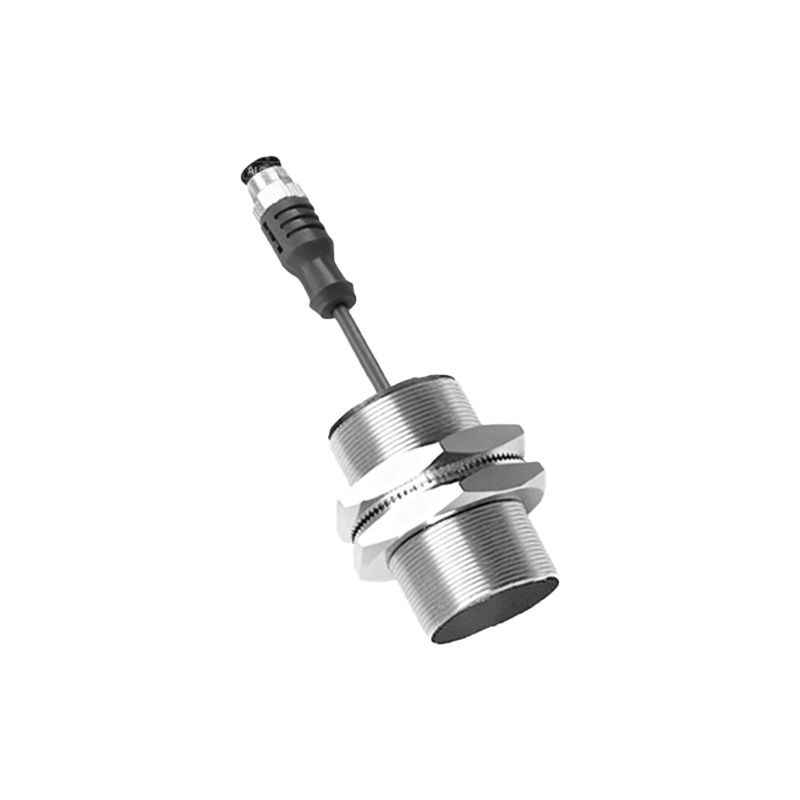
M4 proximity sensors represent a critical advancement in industrial automation, offering high precision and reliability in object detection. These sensors operate on the principle of electromagnetic induction, utilizing a compact M4 threaded housing that allows for easy integration into tight spaces within machinery and production lines. Designed to withstand harsh industrial environments, M4 sensors typically feature robust construction with materials like stainless steel or nickel-plated brass, ensuring resistance to vibration, moisture, and temperature fluctuations. Their non-contact detection capability eliminates mechanical wear, significantly extending operational lifespan compared to traditional mechanical switches.
One of the standout features of M4 proximity sensors is their exceptional sensing range and accuracy. Depending on the model, they can detect metallic objects—such as steel, aluminum, or copper—at distances ranging from 0.5 to 2.5 mm, with minimal hysteresis for consistent performance. Many variants include embedded LED indicators for real-time status monitoring, simplifying installation and troubleshooting. Advanced models incorporate short-circuit protection, reverse polarity protection, and noise immunity, which are essential for maintaining stability in electrically noisy factory settings. These sensors are commonly available in both shielded and unshielded configurations; shielded types allow flush mounting near metal surfaces without interference, while unshielded versions offer slightly longer sensing ranges.
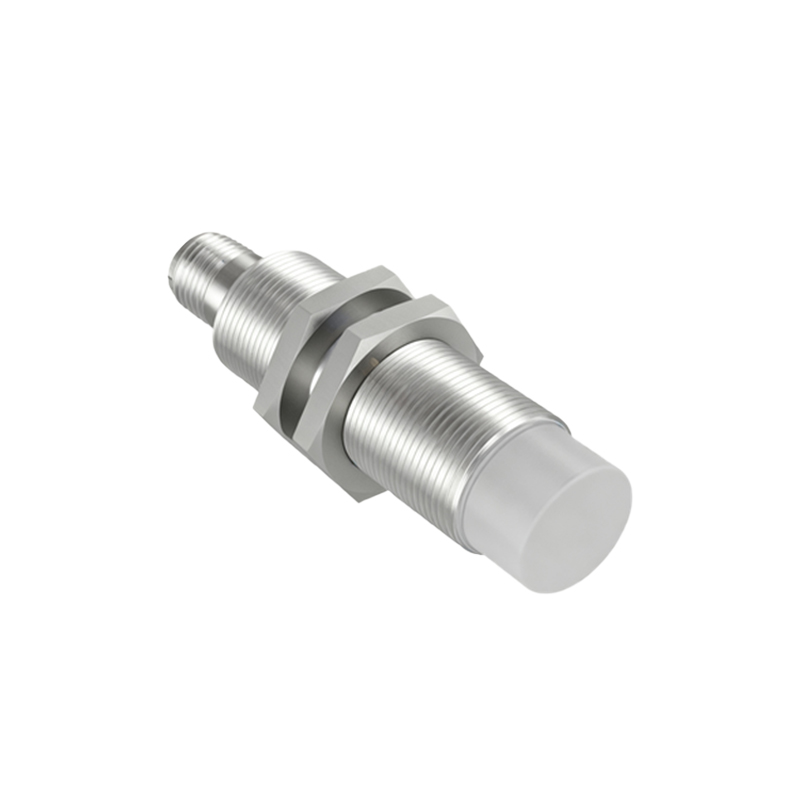
In practical applications, M4 proximity sensors are indispensable across diverse sectors. In automotive manufacturing, they monitor the position of robotic arms or verify component presence on assembly lines. Packaging industries rely on them for precise counting and sorting of products, ensuring seamless conveyor belt operations. Additionally, they play a vital role in CNC machinery, where they detect tool wear or align materials with micron-level precision. Their low power consumption and compatibility with PLCs (Programmable Logic Controllers) make them ideal for energy-efficient, automated systems. When selecting an M4 sensor, engineers must consider factors like target material, operating voltage (typically 10-30V DC), output type (PNP/NPN), and environmental conditions to optimize performance.
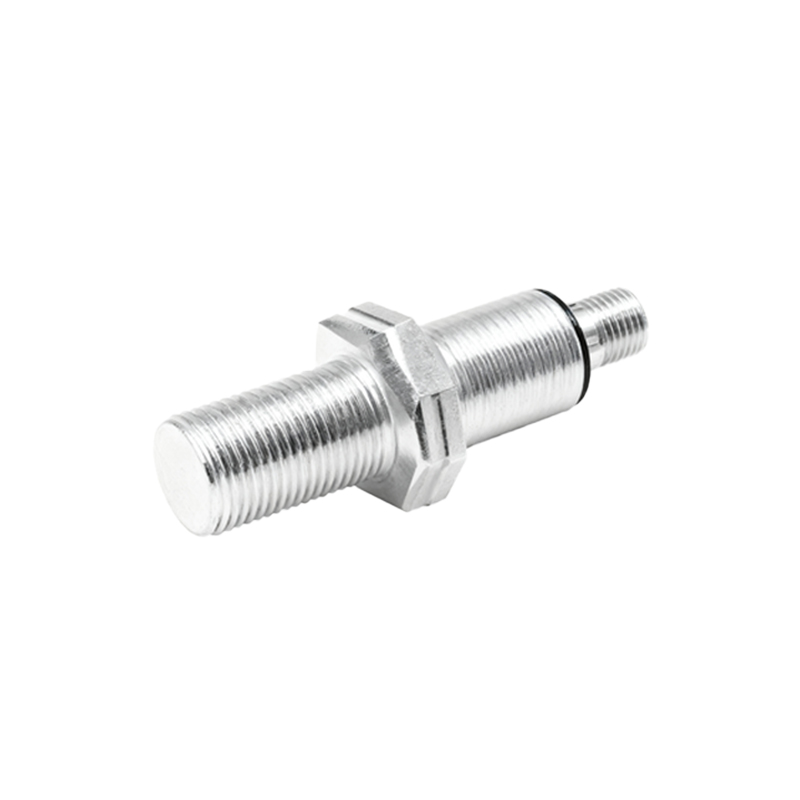
Regular maintenance, though minimal, involves periodic cleaning of the sensor face to prevent debris accumulation and verification of alignment with targets. As Industry 4.0 evolves, M4 sensors are increasingly integrated with IoT platforms, enabling predictive maintenance and data analytics for smarter factories. Their versatility, durability, and cost-effectiveness continue to drive adoption in sectors ranging from aerospace to food processing, solidifying their role as a cornerstone of modern industrial automation.