In the realm of industrial automation, precision, reliability, and durability are non-negotiable. Among the myriad of components that ensure seamless operation, the M30 proximity inductive sensor stands as a fundamental pillar. This cylindrical, 30mm diameter device is engineered for non-contact detection of metallic objects, playing a critical role in countless applications from conveyor systems and robotic arms to machine tooling and packaging machinery.
The core operating principle of an M30 inductive proximity sensor is based on electromagnetic induction. The sensor generates an oscillating electromagnetic field from its active face. When a ferrous or non-ferrous metallic target enters this field, eddy currents are induced within the target. This causes a change in the oscillation amplitude within the sensor's internal LC tank circuit. This change is detected by the sensor's circuitry, which subsequently triggers a solid-state switching output (typically PNP or NPN). This entire process occurs without any physical contact, eliminating mechanical wear and tear and enabling high-speed, repeatable detection.
Key specifications define the performance envelope of an M30 sensor. The sensing distance, or nominal range, is a primary consideration. For a standard M30 sensor, this is typically 10mm or 15mm, though shielded (flush-mountable) and unshielded (non-flush) variants offer different mounting characteristics and sensing ranges. The switching frequency, measured in Hertz (Hz), indicates how many detection cycles the sensor can perform per second, crucial for high-speed production lines. Environmental protection is rated by the IP (Ingress Protection) code, with IP67 and IP69K being common for M30 housings, ensuring resistance to dust, water jets, and harsh washdowns common in food & beverage or pharmaceutical environments. Other vital parameters include the operating voltage (commonly 10-30V DC), output type, and temperature range.
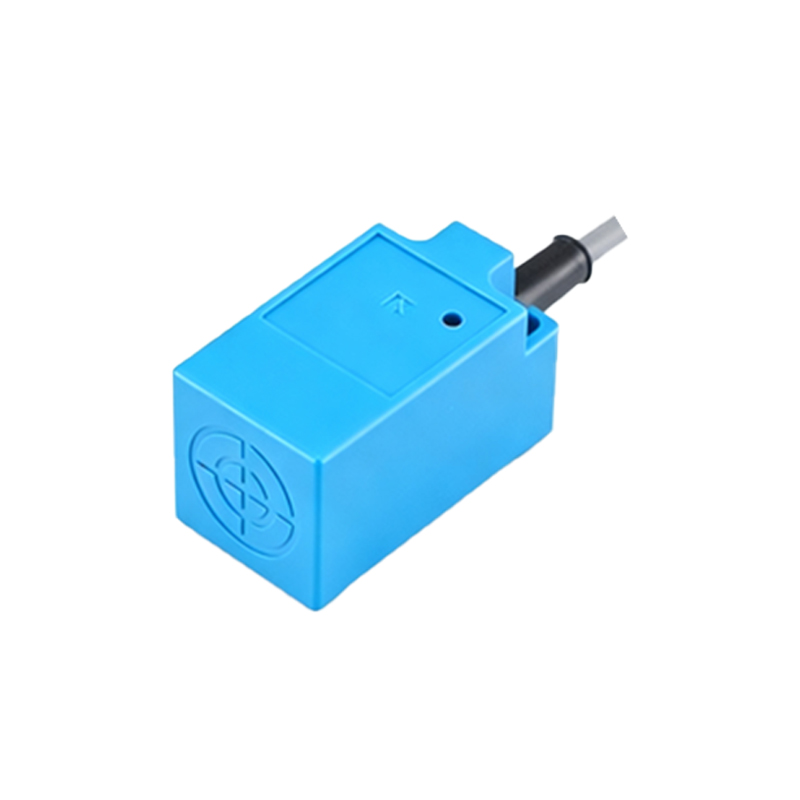
Selecting the right M30 sensor requires a careful analysis of the application. Key questions must be answered: What is the target material (steel, aluminum, brass)? What is the required sensing distance? What are the mounting space constraints—does it require a flush-mounted sensor to be installed in metal? What is the electrical interface needed to connect with the PLC (Programmable Logic Controller)? For instance, sensing aluminum requires a sensor with a reduced sensing range factor (often 0.3-0.4 times the rated range for steel). In environments with heavy metal chips or dust, a shielded version is mandatory to prevent false triggering from lateral metallic interference.
The advantages of using M30 inductive sensors are substantial. Their rugged metal or robust plastic housings withstand significant mechanical stress, vibration, and shock. The non-contact nature guarantees an exceptionally long operational life, often measured in millions of cycles. They are immune to ambient light, oil, dirt, and moisture (within their IP rating), making them vastly superior to optical or mechanical limit switches in dirty industrial settings. Their simple two-wire, three-wire, or four-wire connection schemes facilitate easy integration into control panels.
Maintenance is generally minimal, but best practices ensure longevity. Regular cleaning of the sensing face to remove buildup of grease, metal shavings, or other contaminants is essential to maintain the stated sensing range. It is critical to verify the sensor is not being physically damaged by the target or surrounding machinery. Electrical checks with a multimeter can confirm switching functionality and output signal integrity.
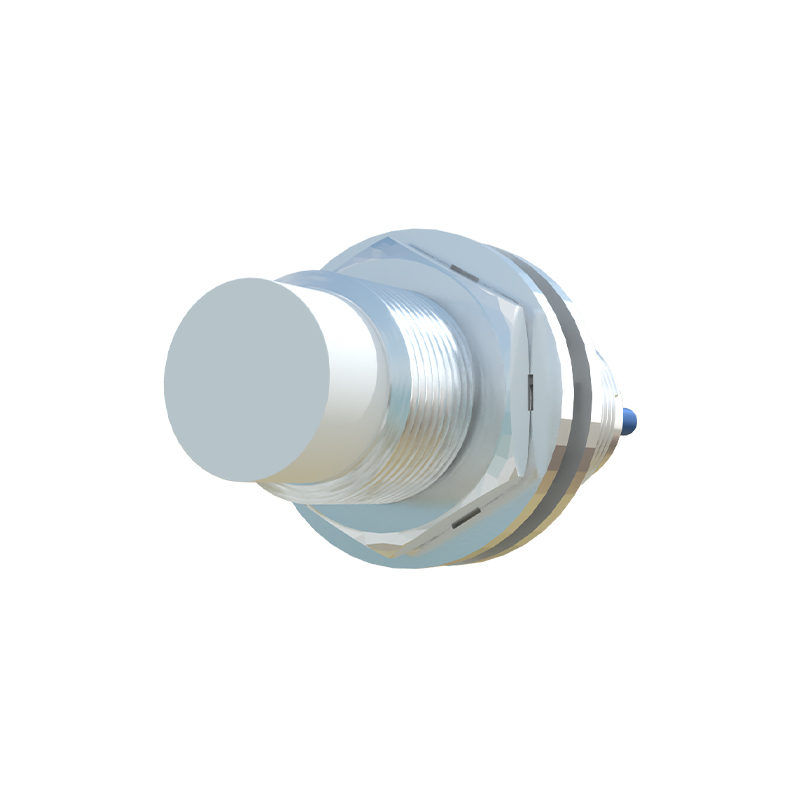
Looking forward, the evolution of M30 sensors continues. Modern iterations incorporate advanced features like IO-Link communication, which transforms the simple sensor into a smart device capable of transmitting process data (like temperature, switch cycles, or signal strength) for predictive maintenance and Industry 4.0 integration. There are also models with increased resistance to welding fields (for robotic welding applications) and those made from stainless steel for highly corrosive environments.
In conclusion, the M30 proximity inductive sensor is far more than just a simple switch. It is a precisely calibrated electronic sentinel, fundamental to automated system logic, safety, and efficiency. Its standardized size, proven technology, and adaptability make it an indispensable component. For any engineer, technician, or system integrator, a deep understanding of its principles, specifications, and selection criteria is essential for designing robust, reliable, and future-ready industrial automation solutions.