In the rapidly evolving landscape of industrial automation and smart technology, proximity sensors have become indispensable components for enhancing safety, efficiency, and precision. Among these, the Snail X Glasses Proximity Sensor represents a cutting-edge innovation designed to meet the rigorous demands of modern electrical and mechanical systems. This article delves into the technical specifications, operational principles, and diverse applications of this advanced sensor, offering insights for engineers and industry professionals seeking reliable solutions for proximity detection.
The Snail X Glasses Proximity Sensor utilizes a sophisticated infrared (IR) or ultrasonic-based mechanism to detect the presence or absence of objects within a predefined range without physical contact. Its design incorporates a compact, durable housing that resembles a pair of glasses—hence the name "Glasses"—providing a wide field of view and high sensitivity. The sensor operates on low power consumption, typically between 10-30V DC, making it suitable for integration into various industrial setups, including conveyor systems, robotic arms, and automated machinery. Key features include adjustable sensing distances (from a few millimeters up to several meters), rapid response times (often under 5 milliseconds), and robust resistance to environmental factors such as dust, moisture, and temperature fluctuations ranging from -25°C to 70°C.
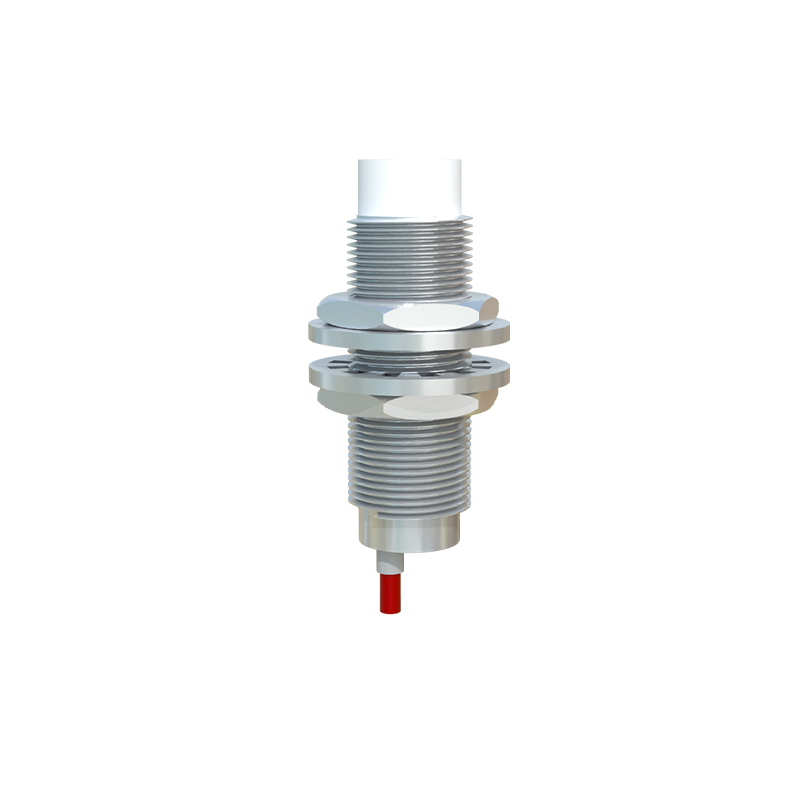
One of the standout advantages of the Snail X sensor is its versatility. In manufacturing plants, it is commonly employed for object counting, position verification, and collision avoidance. For instance, in assembly lines, the sensor ensures that components are correctly aligned before robotic welding or packaging processes, reducing errors and downtime. Additionally, in hazardous environments where human intervention is limited, these sensors enhance safety by triggering alarms or shutting down equipment when unauthorized access is detected. The non-contact nature of the technology minimizes wear and tear, leading to lower maintenance costs and extended operational lifespans compared to mechanical switches.
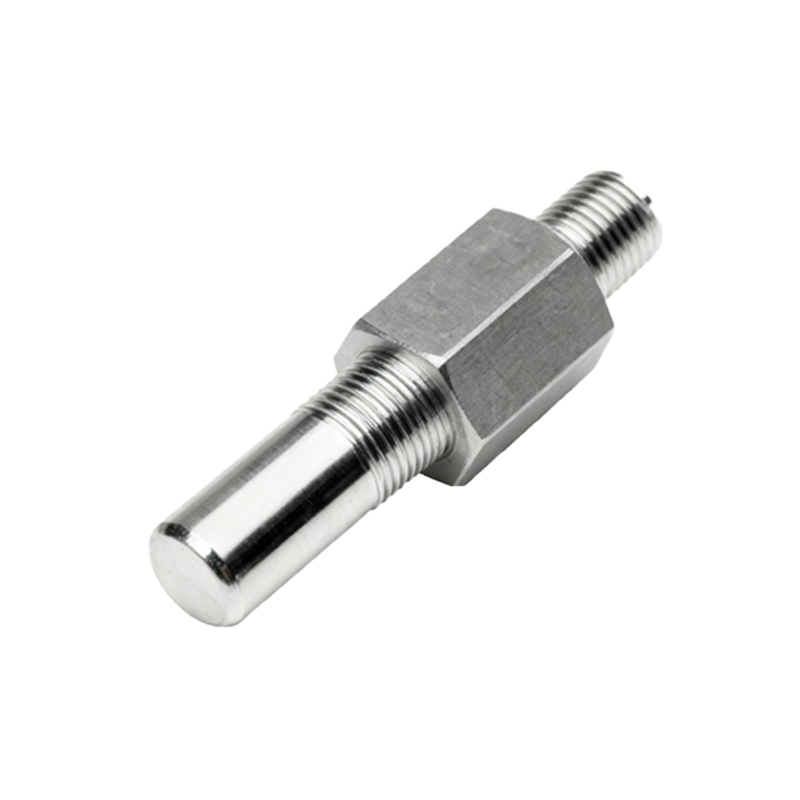
From an engineering perspective, integrating the Snail X Glasses Proximity Sensor requires attention to calibration and compatibility. Most models support standard output signals, such as NPN/PNP or analog outputs (4-20mA, 0-10V), allowing seamless connection with PLCs (Programmable Logic Controllers) and microcontrollers. Installation involves mounting the sensor at an optimal angle to avoid interference from ambient light or reflective surfaces, which could cause false triggers. Regular testing with target objects is recommended to fine-tune sensitivity settings. Moreover, the sensor's IP67 or higher ingress protection rating ensures reliable performance in challenging conditions, such as outdoor installations or wet industrial areas.
Looking ahead, the future of proximity sensing technology is poised for further advancements, with the Snail X series at the forefront. Innovations may include enhanced AI-driven analytics for predictive maintenance, wireless connectivity for IoT (Internet of Things) integration, and miniaturization for use in compact devices. As industries increasingly adopt smart factory concepts, sensors like the Snail X Glasses will play a pivotal role in enabling real-time monitoring and automation, driving productivity and safety standards to new heights.
In conclusion, the Snail X Glasses Proximity Sensor exemplifies the convergence of durability, precision, and adaptability in modern sensor technology. Its applications span across sectors—from automotive and electronics to logistics and energy—making it a valuable tool for engineers aiming to optimize system performance. By understanding its capabilities and implementation best practices, professionals can leverage this technology to solve complex proximity detection challenges, ultimately contributing to more efficient and safer industrial operations.