In the dynamic landscape of industrial automation, proximity sensors stand as critical components for enabling non-contact detection, ensuring precision, reliability, and safety in countless applications. From assembly lines and packaging machinery to robotic systems and material handling, the correct sensor paired with expert support is paramount. This guide focuses on the pivotal role of authorized distributors and provides essential information for sourcing these components, including how to establish contact for procurement and technical consultation.
An authorized proximity sensor distributor serves as more than just a supplier; they are a vital technical partner. These distributors possess in-depth product knowledge, offering access to a comprehensive range of sensor types—including inductive, capacitive, ultrasonic, and photoelectric models from leading global manufacturers. They ensure you receive genuine, certified products with full manufacturer warranties and traceability, which is crucial for maintaining system integrity and compliance with industry standards. Furthermore, a reputable distributor provides critical value-added services such as application engineering support, customized solutions for challenging environments, and timely inventory management to minimize production downtime.
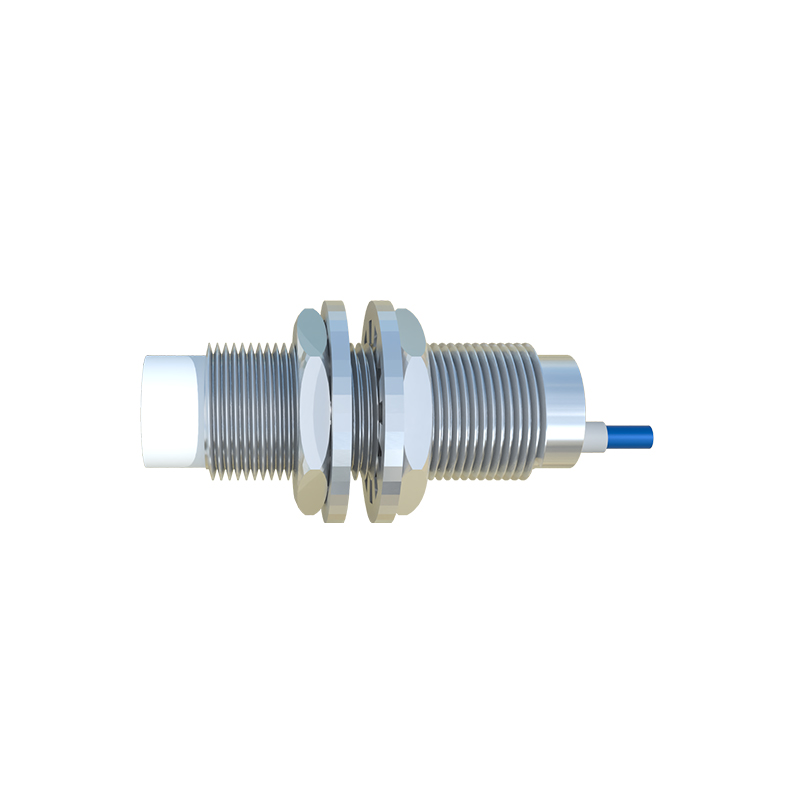
When seeking to contact a proximity sensor distributor, it is essential to be prepared. Clearly define your application requirements, including the target material (metal, plastic, liquid), required sensing distance, output type (PNP/NPN, analog, IO-Link), environmental conditions (temperature, washdown, hazardous areas), and electrical specifications. This information will enable the distributor's technical sales team to provide accurate product recommendations and swift quotations.
For direct contact, most established distributors operate through multiple channels. The primary method is via their official business telephone line, typically listed prominently on their corporate website under "Contact Us" or "Sales." When calling, be ready to reference specific part numbers or detailed application notes. Many distributors also offer dedicated technical support hotlines staffed by application engineers who can assist with configuration, troubleshooting, and integration challenges. In today's digital age, initiating contact through professional inquiry forms on the distributor's website or via official email addresses for sales and support is equally effective and often allows for attaching detailed specifications or diagrams.
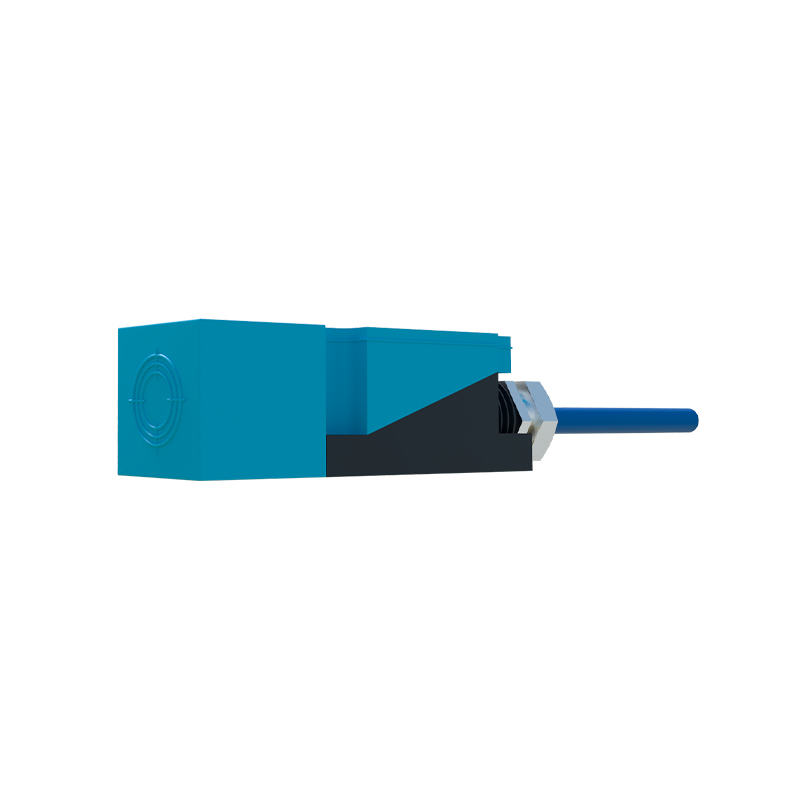
Beyond the initial purchase, a top-tier distributor's phone line is your gateway to ongoing support. This includes access to replacement parts, firmware updates for smart sensors, calibration services, and expedited shipping options for urgent needs. Building a relationship with a trusted distributor ensures you have a reliable point of contact for the entire lifecycle of your automation components, from design and installation to maintenance and expansion.
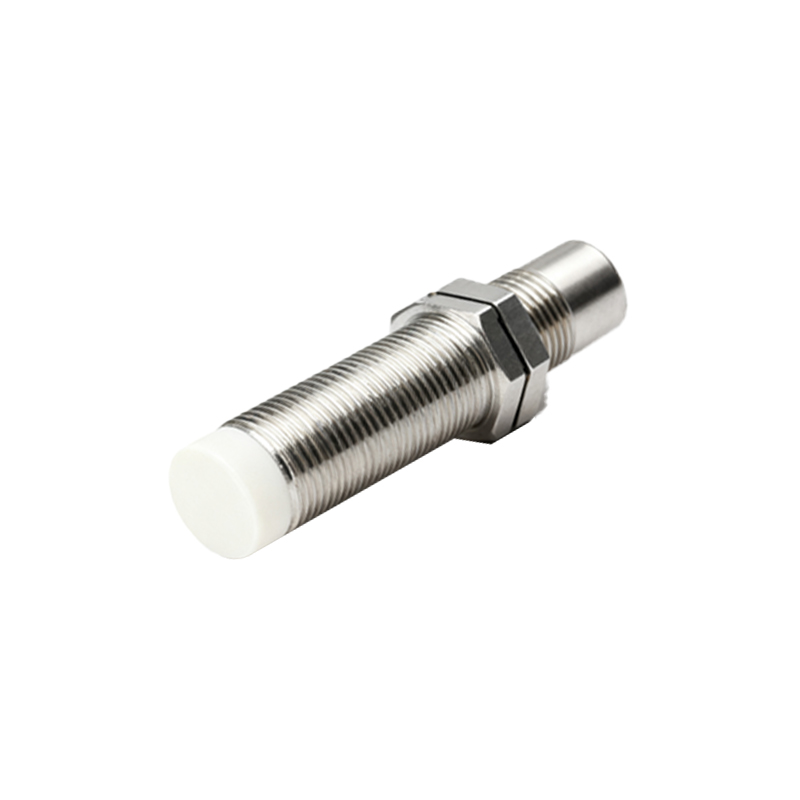
In conclusion, selecting and contacting the right proximity sensor distributor is a strategic decision that impacts operational efficiency and project success. By leveraging their expertise and channeling inquiries through the proper contact points—business phone lines, technical support hotlines, and official digital channels—you secure not only components but a partnership dedicated to optimizing your automated processes. Always verify the distributor's authorization status with the sensor manufacturer to guarantee access to full technical resources and product authenticity.