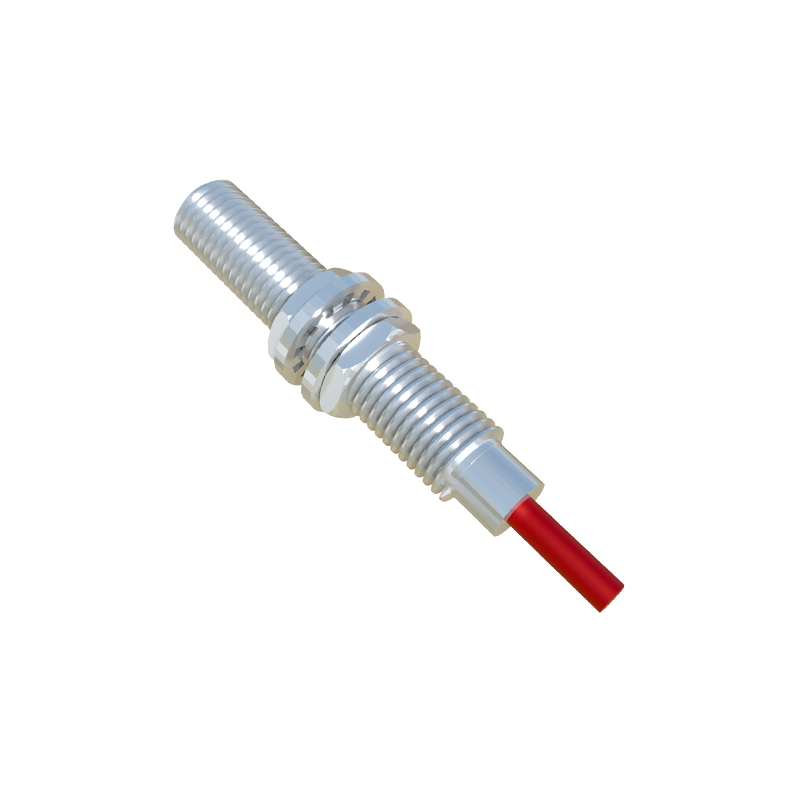
In the realm of industrial automation, proximity sensors are indispensable components that enable non-contact detection of objects, ensuring efficient and reliable operations. Among these, third-party proximity sensors have gained significant traction due to their versatility, cost-effectiveness, and compatibility with diverse systems. This article delves into the fundamentals, types, and practical applications of third-party proximity sensors, highlighting their importance in modern engineering.
Proximity sensors function by emitting an electromagnetic field or beam and detecting changes in the field when an object enters its range. Unlike first-party sensors that are often proprietary to specific machinery brands, third-party sensors are manufactured by independent companies. They are designed to integrate seamlessly with various equipment, offering flexibility in installation and maintenance. Common types include inductive, capacitive, ultrasonic, and photoelectric sensors, each suited for different materials and environments. Inductive sensors, for instance, are ideal for detecting metallic objects, while capacitive sensors can handle non-metallic materials like plastics or liquids.
The adoption of third-party proximity sensors brings several advantages to industrial settings. Firstly, they often provide a more economical solution without compromising on quality, as competition among manufacturers drives innovation and affordability. Engineers can select sensors based on precise specifications such as sensing distance, response time, and environmental durability, tailoring systems to specific needs. Additionally, third-party sensors enhance system interoperability, allowing for upgrades or replacements without being locked into a single vendor's ecosystem. This is particularly crucial in legacy systems where original parts may be obsolete or overpriced.
In practical applications, these sensors are widely used across sectors like manufacturing, automotive, packaging, and robotics. For example, in assembly lines, inductive proximity sensors monitor the presence of metal components, ensuring proper positioning before welding or painting. In food processing, capacitive sensors detect levels of liquids or powders in containers, preventing overflow or shortages. Ultrasonic sensors, with their ability to measure distance accurately, are employed in warehouse automation for object detection and collision avoidance. The robustness of third-party models, often rated for harsh conditions like extreme temperatures or moisture, makes them reliable in challenging industrial environments.
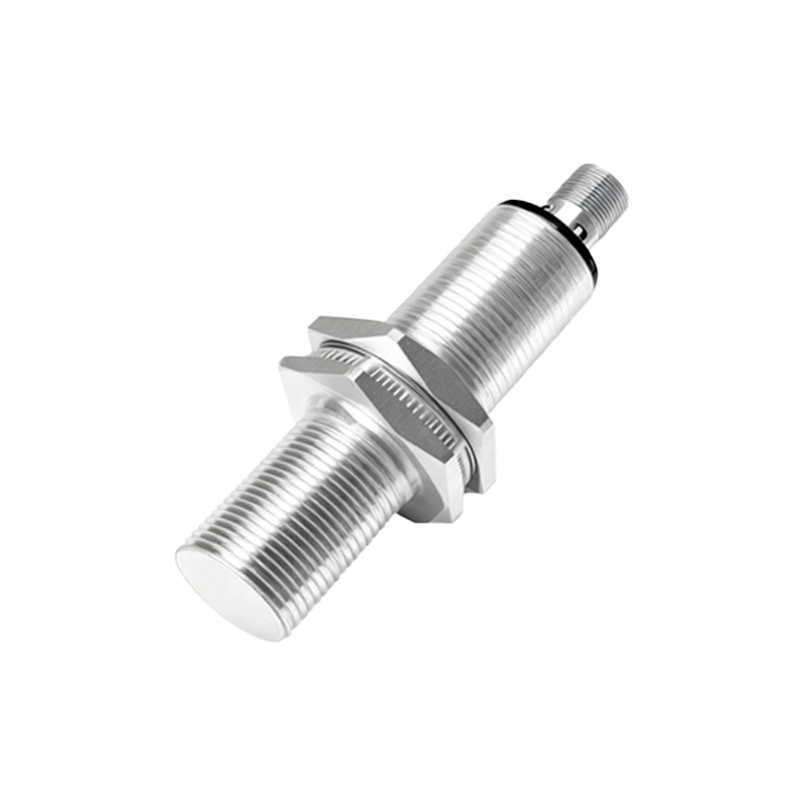
When selecting a third-party proximity sensor, engineers must consider factors such as output type (e.g., NPN or PNP), voltage requirements, and housing material. Proper installation and calibration are key to maximizing performance, including alignment and shielding from interference. Regular maintenance, though minimal due to their non-contact nature, involves checking for wear or contamination that could affect sensitivity.
Overall, third-party proximity sensors represent a smart choice for enhancing automation efficiency. By offering customizable, cost-effective solutions, they empower industries to optimize processes and reduce downtime. As technology advances, these sensors continue to evolve with features like IoT connectivity and smart diagnostics, further solidifying their role in the future of industrial engineering.