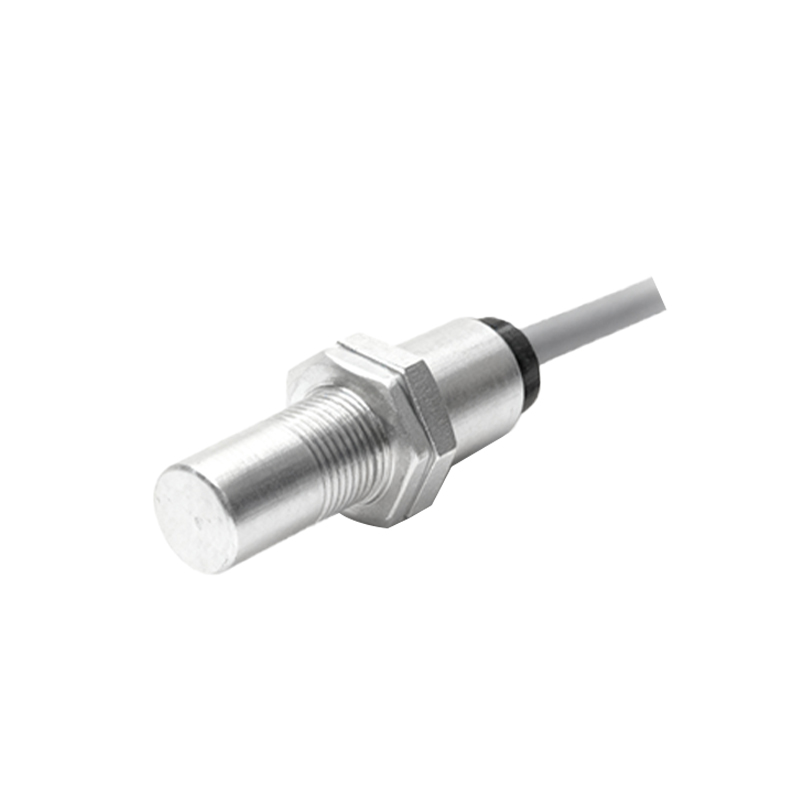
In today's interconnected world, the demand for smart, energy-efficient devices continues to grow across industries such as consumer electronics, automotive, healthcare, and industrial automation. At the heart of this evolution lies the low power proximity sensor—a critical component enabling devices to detect the presence or absence of objects without physical contact while minimizing energy consumption. These sensors operate on the principle of emitting a signal, typically infrared (IR), ultrasonic, or capacitive, and measuring changes in the reflected signal to determine proximity. By optimizing power usage, they extend battery life in portable devices and reduce operational costs in larger systems, making them indispensable in modern technology.
The working mechanism of low power proximity sensors varies based on technology. Infrared sensors, for instance, use an IR LED to emit light and a photodiode to detect reflections. When an object enters the sensing range, the reflected light alters the photodiode's output, triggering a detection event. Advanced versions incorporate pulsed IR signals to reduce power draw further. Ultrasonic sensors rely on sound waves, emitting high-frequency pulses and calculating distance based on the time delay of echoes. Capacitive sensors, on the other hand, detect changes in capacitance caused by nearby objects, excelling in non-metallic applications. Each type balances accuracy, range, and power efficiency to suit specific use cases, from smartphones that dim screens during calls to industrial machines that prevent collisions.
Key advantages of low power proximity sensors include their minimal energy footprint and enhanced reliability. By operating at microampere or even nanoampere levels during idle states, these sensors significantly cut down on power drain, which is crucial for battery-dependent devices like wearables, IoT sensors, and remote controls. For example, in smartphones, a proximity sensor can conserve battery by disabling the touchscreen when held to the ear during a call. In automotive systems, they enable keyless entry and gesture control without taxing the vehicle's electrical system. Moreover, their low power nature reduces heat generation, improving longevity and safety in sensitive environments like medical equipment or hazardous industrial settings.
Designing effective low power proximity sensors involves several technical considerations. Power management circuits, such as sleep modes and wake-on-approach features, allow sensors to remain dormant until needed, slashing energy use. Integration with microcontrollers and wireless modules, like Bluetooth Low Energy (BLE), enables smart sensing networks that transmit data only when necessary. Material selection also plays a role; for instance, using low-leakage components in capacitive sensors can enhance efficiency. Additionally, algorithms for signal processing help filter noise and reduce false triggers, ensuring accurate detection while maintaining low power profiles. These design elements collectively support applications ranging from smart homes, where sensors control lighting based on occupancy, to agriculture, monitoring crop proximity in automated systems.
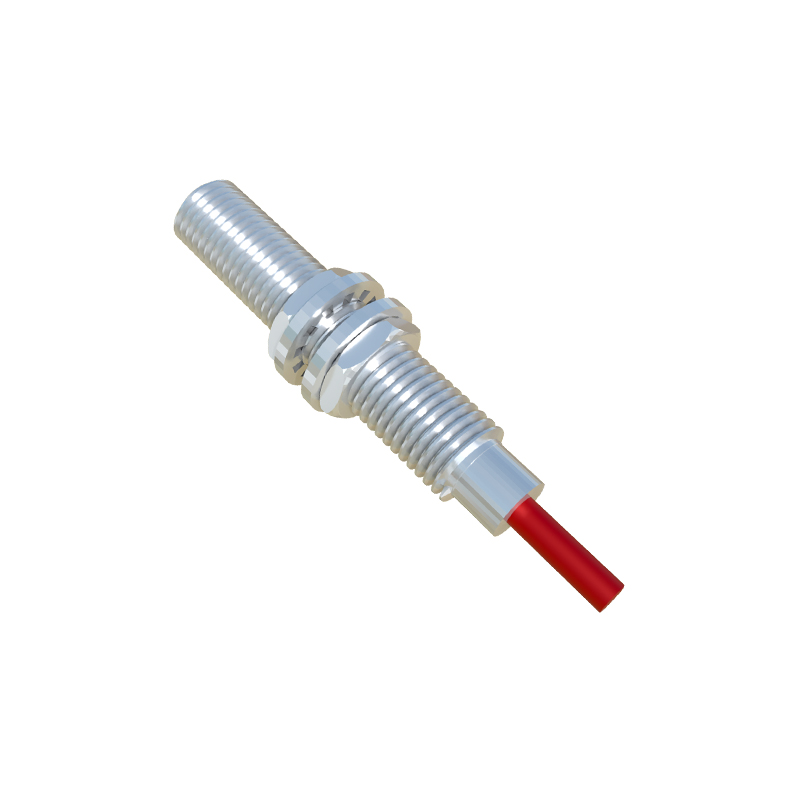
Looking ahead, innovations in low power proximity sensors are driven by trends like AI integration and miniaturization. Machine learning algorithms can optimize sensing intervals based on usage patterns, dynamically adjusting power levels to conserve energy. Emerging technologies, such as energy-harvesting sensors that draw power from ambient sources like light or vibration, promise near-zero power consumption. In the IoT era, these sensors will enable smarter, more autonomous devices, from drones that avoid obstacles to healthcare monitors that track patient movements efficiently. As global emphasis on sustainability grows, low power proximity sensors will continue to play a pivotal role in reducing electronic waste and energy consumption, aligning with green technology goals.
In summary, low power proximity sensors represent a fusion of efficiency and functionality, transforming how devices interact with their surroundings. By prioritizing energy savings without compromising performance, they support the development of smarter, longer-lasting technologies. As advancements in materials, algorithms, and integration accelerate, these sensors will unlock new possibilities across diverse fields, from everyday gadgets to complex industrial systems, paving the way for a more connected and energy-conscious future.