Infrared proximity sensors are widely utilized across various industries for non-contact distance measurement, object detection, and presence sensing. A fundamental and frequently asked question is: "What is the detection range of an infrared (IR) proximity sensor?" The answer is not a single fixed value but rather a range influenced by a complex interplay of technical specifications, environmental conditions, and application-specific parameters. Understanding these factors is crucial for selecting the right sensor and achieving reliable performance.
At its core, an IR proximity sensor operates by emitting an infrared light beam (usually from an LED) and measuring the intensity of the light reflected back to a photodiode or similar receiver. The strength of the reflected signal correlates with the distance to the target object. The theoretical maximum range is primarily dictated by the power output of the IR emitter and the sensitivity of the receiver. Standard low-cost sensors commonly found in consumer electronics (e.g., for smartphone screen blanking) typically have a very short range, from a few millimeters up to 10-20 centimeters. Industrial-grade sensors, with more powerful emitters and sophisticated optics, can reliably detect objects at distances of several meters, with some specialized models reaching 10 meters or more.
However, the nominal range specified on a datasheet is measured under ideal laboratory conditions. Real-world performance can vary significantly. The most critical factor is the reflectivity of the target object. A sensor calibrated for a flat, matte-white surface will show a drastically reduced range when pointed at a dark, glossy, or irregularly shaped object. Black materials absorb a large portion of the IR radiation, leading to a weak return signal. Transparent or translucent materials like glass or clear plastic may allow most of the beam to pass through, causing detection failure.
Ambient light interference is another major consideration. Sunlight and strong artificial light contain substantial infrared components that can saturate the sensor's receiver, creating noise and reducing the effective signal-to-noise ratio. This can severely limit the maximum usable range or cause false readings. High-quality sensors incorporate optical filters to block specific wavelengths of ambient light and use modulated IR signals (pulsing the emitter at a specific frequency) to distinguish their own signal from background noise.
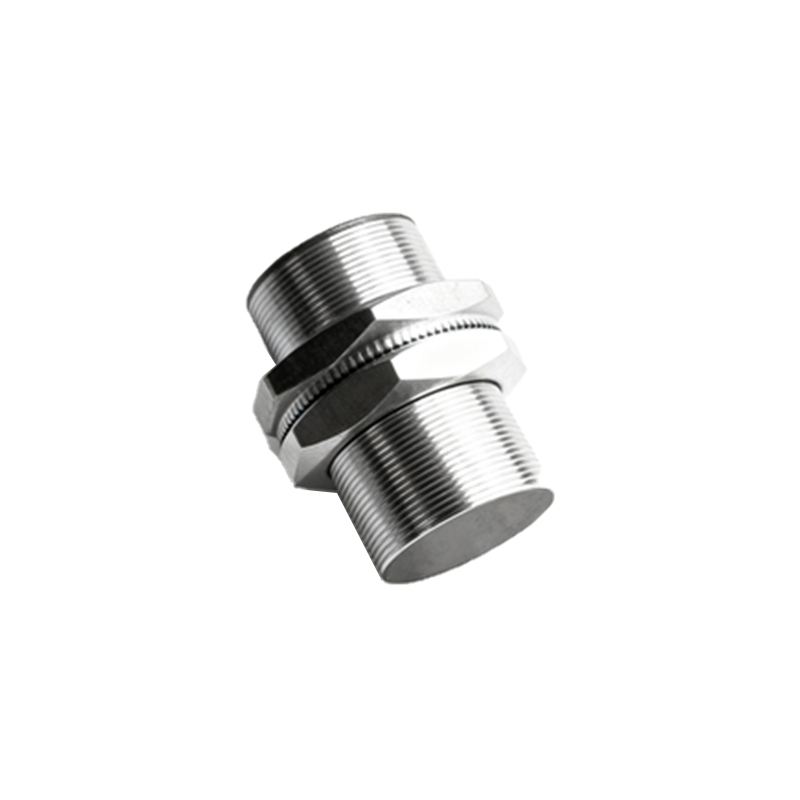
The sensor's lens design and field of view (FOV) also impact practical range. A narrow FOV concentrates the beam energy, allowing for longer detection distances of objects within that precise cone. A wide FOV is better for detecting objects over a broader area but dissipates the emitted energy, reducing the maximum range. The lens must be kept clean, as dust, oil, or condensation can scatter or attenuate the IR beam.
Electrical design choices play a role as well. The drive current for the IR LED directly affects its output power. Higher current increases range but also generates more heat and reduces component lifespan. The gain and filtering circuits on the receiver side must be carefully tuned to amplify the weak return signal without amplifying an equal amount of noise.
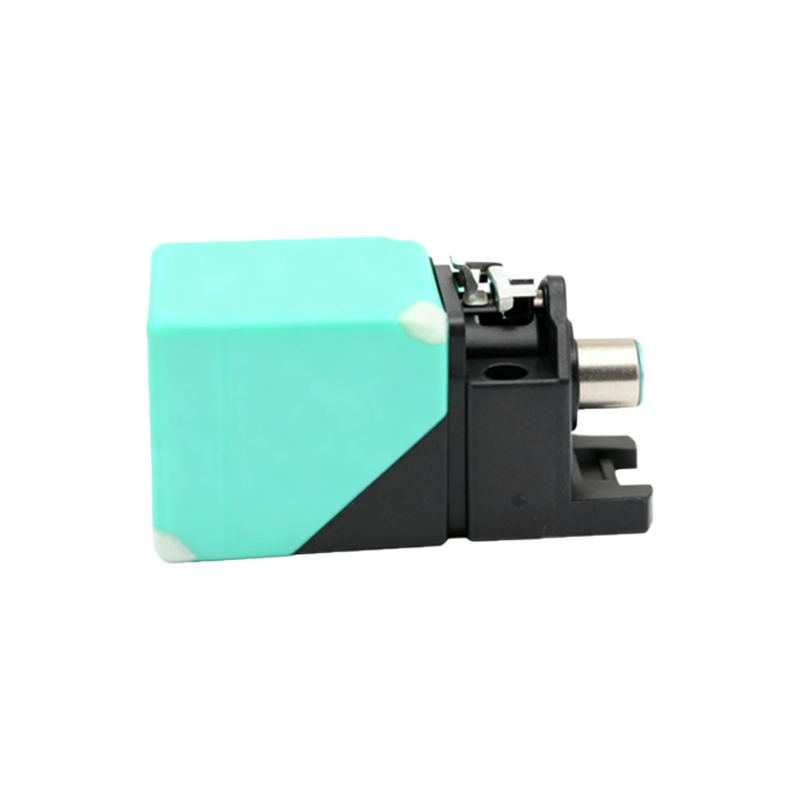
For precise distance measurement, rather than simple presence detection, triangulation or time-of-flight (ToF) principles are often employed in IR sensors. Triangulation-based sensors use the position of the reflected spot on a sensor array to calculate distance and are excellent for short to medium ranges with high accuracy. ToF sensors measure the time delay between the emitted pulse and the received reflection, enabling longer ranges but often at higher cost and complexity. The range specifications for these types are more defined but still subject to target reflectivity.
Therefore, when determining the appropriate sensor for an application, engineers must consider the entire system context. Key questions include: What is the required minimum and maximum detection distance? What are the material properties of the target objects? What are the ambient light conditions? Is the application indoors or outdoors? What level of accuracy and reliability is needed?
Optimization often involves iterative testing and calibration. For a fixed application, calibrating the sensor against the specific target material in its actual operating environment yields the best results. Adjusting the sensor's threshold or gain settings can help fine-tune the effective range. In challenging environments, using a sensor with a longer nominal range than strictly necessary provides a useful safety margin.
In summary, the detection range of an infrared proximity sensor is a dynamic specification. While datasheets provide a essential starting point, the actual operational range is a function of target reflectivity, ambient light, optical design, and electronic configuration. Successful implementation requires moving beyond the catalog number and engaging in a holistic analysis of the sensing scenario to select, calibrate, and deploy the sensor effectively for robust and dependable operation.