In the realm of industrial combustion and process heating, the reliability and precision of ignition systems are paramount. Traditional ignition methods, while functional, often lack the finesse and fail-safe mechanisms required in modern, automated environments. This is where the integration of proximity sensors with igniters marks a significant technological leap forward. A proximity sensor igniter is not merely a component; it is a sophisticated system designed to ensure ignition occurs only under optimal, verified conditions, thereby enhancing both operational efficiency and safety protocols.
At its core, a proximity sensor igniter combines a standard high-energy ignition source—such as a spark igniter or a hot surface igniter—with a non-contact proximity detection device. This sensor is typically tuned to detect the presence of the pilot flame or the main burner flame itself. The fundamental operating principle is elegantly straightforward: the ignition sequence is initiated, but the main fuel valve is only commanded to open, or remain open, once the proximity sensor confirms the successful establishment of a stable pilot flame. This closed-loop verification is the system's greatest strength.
The types of proximity sensors employed are crucial to the system's performance. Inductive sensors are common for detecting metallic components in the burner assembly, ensuring mechanical parts are in correct position before ignition. However, for direct flame detection, optical sensors—specifically ultraviolet (UV) or infrared (IR) scanners—are predominantly used. UV sensors are highly effective as they detect the specific ultraviolet radiation emitted by a flame, making them largely immune to false signals from hot refractory or ambient light. IR sensors offer robust performance in applications with potential background radiation. The choice depends on the specific fuel, burner design, and environmental conditions.
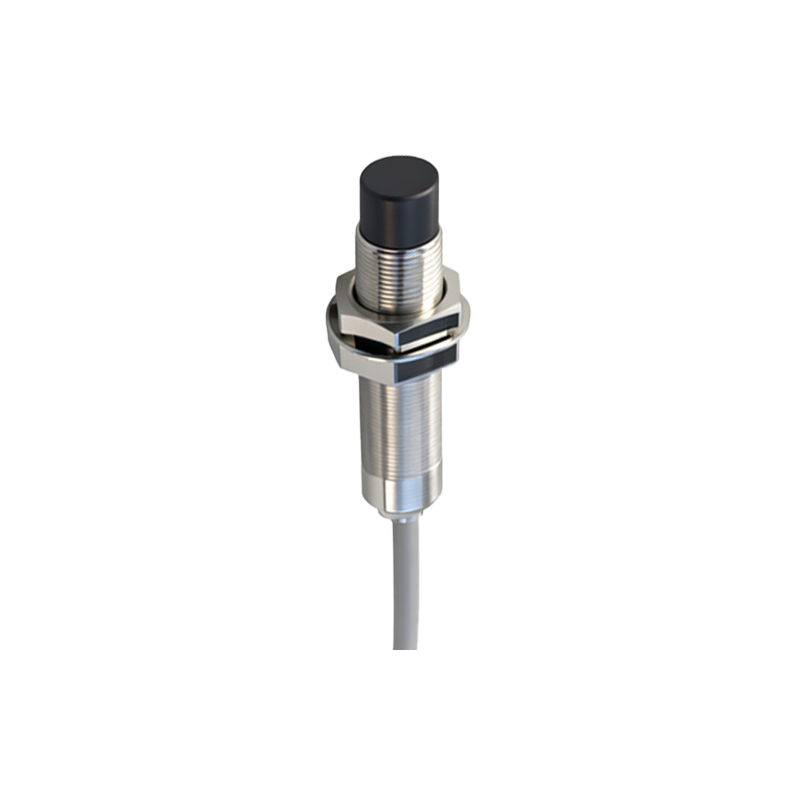
The advantages of implementing a proximity sensor-based ignition system are multifaceted. First and foremost is enhanced safety. By preventing unburned fuel from being released into a combustion chamber without a verified ignition source, the risk of dangerous fuel accumulation and potential explosions is drastically reduced. This aligns perfectly with stringent international safety standards like NFPA, FM, and IEC. Secondly, operational reliability is improved. The system eliminates "false light" scenarios where a control system might erroneously believe a flame is present. This prevents damage to equipment from delayed ignition or continuous fuel flow without combustion, which can lead to catastrophic failures.
Furthermore, these systems contribute to significant maintenance cost savings. By ensuring clean, efficient ignition every time, they reduce thermal stress on refractory materials and burner components. They also provide valuable diagnostic data. Many modern proximity sensor igniters are integrated with programmable logic controllers (PLCs) or dedicated burner management systems (BMS), offering real-time feedback on ignition attempts, flame quality, and sensor health. This facilitates predictive maintenance, as trends in sensor signal strength or ignition retry rates can signal impending issues.
The application scope for proximity sensor igniters is vast. They are indispensable in large-scale industrial boilers, process heaters in petrochemical and refining industries, thermal oxidizers for emissions control, and high-temperature furnaces used in metal processing and glass manufacturing. Any application where burner reliability directly impacts product quality, energy efficiency, or regulatory compliance is a prime candidate for this technology.
Installation and calibration require careful attention. The sensor must be positioned to have an unobstructed view of the flame root—the most stable part of the flame—while being shielded from excessive heat radiation that could shorten its lifespan. Proper grounding and shielding of signal cables are essential to prevent electromagnetic interference from the high-voltage ignition circuit from corrupting the sensitive sensor signal. Regular maintenance, including lens cleaning for optical sensors and functional testing, is mandatory to ensure long-term reliability.
In conclusion, the evolution from simple timed ignition trials to verified ignition via proximity sensors represents a best practice in industrial combustion engineering. The proximity sensor igniter is a critical nexus where sensing technology meets combustion control, creating a system that is not only smarter and safer but also more economical over its lifecycle. As industries continue to push for higher efficiency, lower emissions, and uncompromising safety, the adoption of such intelligent ignition systems will undoubtedly become the standard, rather than the exception. Engineers specifying combustion systems must consider this integration not as an optional extra, but as a fundamental requirement for responsible and robust plant design.