The integration of laser sensors into coal mining operations represents a significant technological advancement, addressing critical challenges related to safety, productivity, and environmental monitoring. In the inherently hazardous environment of underground coal mines, where conditions such as gas accumulation, dust explosions, and structural instability pose constant risks, laser sensors offer precise, real-time data collection capabilities that are transforming traditional mining practices.
Laser sensors operate by emitting laser beams and measuring the reflection or scattering of light from target surfaces. This principle allows for highly accurate distance measurement, object detection, and environmental analysis. In coal mining, these sensors are primarily deployed for several key applications. Firstly, they are used in methane detection systems. Methane gas, a byproduct of coal formation, is highly flammable and can lead to catastrophic explosions if concentrations exceed safe limits. Laser-based methane detectors utilize tunable diode laser absorption spectroscopy (TDLAS) to identify methane molecules by analyzing the absorption of specific laser wavelengths. This method provides rapid, continuous monitoring with minimal interference from other gases, enabling early warning systems that alert personnel to dangerous gas buildups before they reach critical levels.
Secondly, laser sensors play a crucial role in monitoring coal dust concentrations. Airborne coal dust not only poses respiratory health risks to miners but also contributes to explosive atmospheres. Laser diffraction and scattering techniques allow for real-time measurement of dust particle size and density. By integrating these sensors with ventilation control systems, mines can automatically adjust airflow to suppress dust levels, maintaining compliance with occupational safety standards and reducing the likelihood of dust-induced explosions.
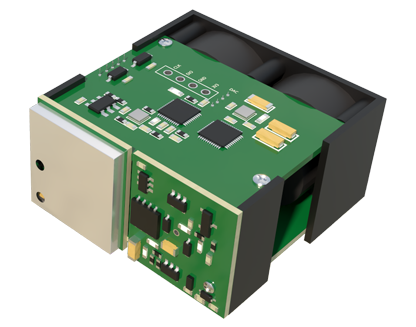
Another vital application is in roof stability assessment and strata control. Underground mines require constant evaluation of roof and wall integrity to prevent collapses. Laser rangefinders and LiDAR (Light Detection and Ranging) systems create detailed 3D maps of mine cavities and tunnels. By scanning surfaces at regular intervals, these sensors detect minute deformations or shifts in rock strata, providing early indicators of potential roof falls. This data supports proactive maintenance and reinforcement efforts, safeguarding both equipment and personnel.
Furthermore, laser sensors enhance operational efficiency in automated mining equipment. Continuous miners and longwall shearers equipped with laser guidance systems can navigate tunnels with precision, optimizing coal extraction while minimizing waste. These systems ensure machinery operates within designated boundaries, reducing the risk of collisions with support structures or unintended excavation into unstable areas. Additionally, conveyor belt monitoring using laser sensors helps detect misalignment or material spillage, preventing downtime and maintenance costs.
The adoption of laser sensor technology also contributes to environmental stewardship. By accurately monitoring emissions and particulate matter, mines can better manage their environmental footprint. For instance, laser-based sensors assist in tracking the dispersion of pollutants from ventilation shafts, aiding in compliance with regulatory requirements and community health protections.
Despite these advantages, challenges remain in implementing laser sensors in coal mines. Harsh conditions, including high humidity, temperature fluctuations, and mechanical vibrations, can affect sensor accuracy and durability. Advances in ruggedized designs and protective housings are addressing these issues, ensuring reliable performance in demanding environments. Moreover, the initial investment in laser sensor systems can be substantial, but the long-term benefits—reduced accident rates, lower insurance premiums, and improved operational throughput—often justify the expenditure.
In conclusion, laser sensors are becoming indispensable tools in modern coal mining, offering unparalleled capabilities in hazard detection, structural monitoring, and process automation. As technology evolves, further integration with IoT platforms and data analytics will likely enhance predictive maintenance and risk assessment, paving the way for smarter, safer mining operations. The ongoing development of more compact, energy-efficient, and cost-effective laser sensors promises to broaden their accessibility, ultimately fostering a culture of safety and efficiency across the global mining industry.