Laser methane sensors represent a significant advancement in gas detection technology, offering unparalleled precision, reliability, and safety for industrial applications. Unlike traditional catalytic bead or electrochemical sensors, these devices utilize Tunable Diode Laser Absorption Spectroscopy (TDLAS) to detect methane concentrations. This method involves directing a laser beam at a specific wavelength that methane molecules absorb. By measuring the attenuation of the laser light as it passes through the target area, the sensor can calculate the exact methane concentration with high accuracy.
The core principle of TDLAS is based on the unique absorption spectra of gas molecules. Methane has distinct absorption lines in the near-infrared region. The sensor's laser diode is precisely tuned to one of these characteristic wavelengths. As the laser light traverses the measurement path, methane molecules present absorb a portion of the light energy. A photodetector on the other side measures the intensity of the transmitted light. The degree of absorption is directly proportional to the number of methane molecules in the path, allowing for a highly selective and quantitative measurement. This spectroscopic approach makes the sensor immune to interference from other gases, a common challenge with conventional sensors.
One of the most critical advantages of laser methane sensors is their non-contact, open-path measurement capability. They can monitor methane leaks over distances ranging from a few meters to several hundred meters. This is particularly valuable in large, open facilities like LNG terminals, natural gas processing plants, compressor stations, and along pipeline routes. Operators can install these sensors to create a perimeter of protection, continuously scanning for leaks without the need for physical sampling. This remote sensing ability enhances worker safety by allowing detection from a safe distance, especially in potentially hazardous or hard-to-reach areas.
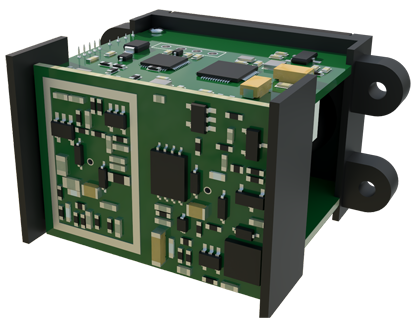
The performance specifications of modern laser methane sensors are impressive. They typically offer detection ranges from parts-per-million (ppm) to lower explosive limit (LEL) percentages, with fast response times often under one second. Their precision is exceptional, with minimal drift over time, which reduces the need for frequent calibration—a significant operational cost saving compared to other sensor types. Furthermore, these sensors have no consumable parts. The laser source has a long operational lifespan, often exceeding ten years, contributing to a lower total cost of ownership despite a higher initial investment.
Industrial applications are diverse and critical. In the oil and gas sector, they are deployed for fugitive emission monitoring, leak detection and repair (LDAR) programs, and area monitoring around flanges, valves, and pumps. In coal mining, they provide early warning of methane buildup, a primary safety concern. Utilities use them to survey underground distribution networks and inspect manholes. The renewable energy sector, particularly biogas plants and landfills, relies on them to monitor methane production and prevent uncontrolled releases. Their robustness allows them to perform reliably in harsh environments with wide temperature fluctuations, vibration, and dusty conditions.
Installation and integration are straightforward. Modern laser methane sensors come in compact, rugged housings rated for hazardous areas (e.g., ATEX, IECEx). They can be configured for fixed, continuous monitoring or used as portable survey tools. Data output is typically via standard industrial communication protocols like 4-20 mA analog, Modbus, or wireless interfaces, enabling seamless integration into existing Distributed Control Systems (DCS) or Safety Instrumented Systems (SIS). This allows for real-time data visualization, historical trending, and the triggering of automatic alarms or mitigation systems.
Looking ahead, the integration of laser methane sensors with the Industrial Internet of Things (IIoT) and cloud platforms is a growing trend. This enables predictive analytics, remote diagnostics, and centralized monitoring of vast, geographically dispersed assets. Advances in laser technology and photonics continue to drive down costs and size while improving performance. As global emphasis on reducing methane emissions—a potent greenhouse gas—intensifies due to environmental regulations and ESG (Environmental, Social, and Governance) commitments, the adoption of this precise and reliable detection technology is set to expand further, solidifying its role as a cornerstone of modern industrial safety and environmental stewardship.