Magnetic switches, often referred to as reed switches, are fundamental electromechanical components that control electrical circuits through the influence of a magnetic field. Their operation hinges on a simple yet elegant principle of magnetism and mechanical motion. At the heart of a standard magnetic switch lies a pair of ferromagnetic reeds, typically made of nickel-iron alloy, sealed within a slender glass envelope filled with an inert gas like nitrogen. These reeds act as both the magnetic flux conductors and the electrical contact members.
In its default, non-actuated state, the reeds remain separated, keeping the electrical circuit open. When an external magnetic field of sufficient strength is brought into proximity—usually from a permanent magnet or an electromagnet—the reeds become magnetized. This induced magnetism causes the flexible reeds to attract each other. Their overlapping tips, plated with a durable conductive material like rhodium or ruthenium, physically meet and close the electrical circuit. Once the external magnetic field is removed or moved beyond a critical distance, the inherent spring force of the reeds overcomes the residual magnetic attraction, causing them to separate and break the circuit. This on/off action forms the core working principle.
The performance of a magnetic switch is defined by several key parameters. Sensitivity, often called "pull-in" value, is the magnetic field strength required to close the contacts. "Drop-out" or release value is the point where the contacts open as the field weakens. The difference between these values is the hysteresis, which provides stability against chatter from minor magnetic fluctuations. Contact ratings specify the maximum voltage and current the switch can reliably handle, which are typically lower than standard mechanical switches due to the small contact area.
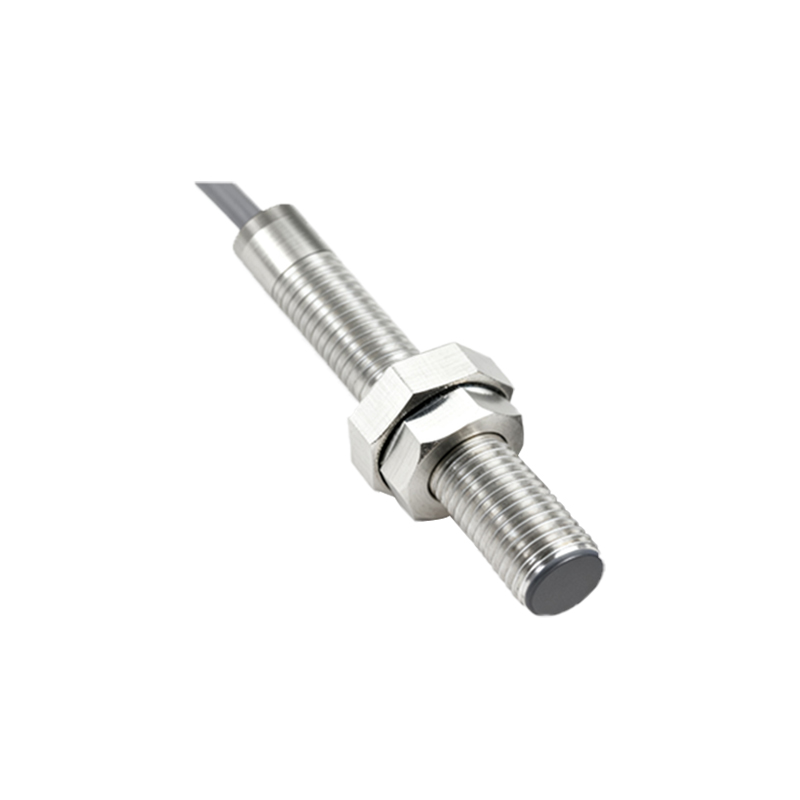
Several design variations exist to suit different applications. The most common is the Normally Open (NO) type described above. A Normally Closed (NC) version has reeds that are in contact at rest and separate when a magnetic field is applied. A changeover or Form C switch incorporates a third reed to allow switching between two different circuits. For enhanced reliability in high-voltage or high-current scenarios, mercury-wetted reed switches use a mercury coating on the contacts to reduce arcing and contact bounce, though environmental concerns have limited their use.
The advantages of magnetic switches are numerous. Their hermetically sealed construction makes them impervious to dust, moisture, and oxidation, allowing reliable operation in harsh environments. They offer a very long operational life, often exceeding a billion cycles, because the contacts are protected from atmospheric corrosion and there is minimal mechanical wear. They are also compact, fast-acting, and require no physical power to operate the sensing element itself—only the magnet provides the actuation force.
These characteristics lead to widespread application across industries. In security systems, they are ubiquitous as door and window sensors, where a magnet on the moving part and a switch on the frame create a tamper-proof alarm circuit. In the automotive sector, they function as fluid level sensors in reservoirs, position sensors for brake pedals, and in some older distributor-based ignition systems. Consumer electronics employ them in laptops and flip phones as lid or cover sensors to wake or sleep the device. Industrial automation utilizes them as limit switches on machinery and for position sensing in pneumatic or hydraulic cylinders where proximity to moving parts is required. They are also found in medical devices, test equipment, and relays where galvanic isolation is beneficial.
Despite the rise of solid-state Hall effect sensors, magnetic reed switches retain vital niches. Hall effect sensors are more durable for high-cycle applications and can measure magnetic field strength, but reed switches offer the distinct advantage of a physical, electrically isolated contact without the need for a power supply at the sensing point. This makes them ideal for fail-safe, low-power, or completely passive sensing scenarios.
When selecting a magnetic switch, engineers must consider the operating environment, required sensitivity, electrical load, and the magnetic circuit design involving the actuator magnet's strength, orientation, and travel path. Proper implementation ensures the reliable, silent, and maintenance-free switching that has made the magnetic switch a enduring and versatile solution in electromechanical design.