In the realm of industrial automation, precision, reliability, and durability are non-negotiable. Among the myriad components that ensure seamless operation, the V20 series of proximity sensors stands out as a fundamental element. These sensors, designed for non-contact detection of metallic objects, have become indispensable in applications ranging from assembly lines and packaging machinery to robotic systems and material handling. Their robust construction and advanced sensing technology make them a preferred choice for engineers seeking to enhance efficiency and minimize downtime.
The core principle behind the V20 proximity sensor is based on electromagnetic induction. The sensor generates an oscillating electromagnetic field from its active face. When a metallic target enters this field, eddy currents are induced within the target, causing a change in the oscillation amplitude. This change is detected by the sensor's internal circuitry, which then triggers a solid-state switching output. This non-contact method of detection offers significant advantages over mechanical limit switches, including the absence of physical wear, higher switching speeds, and immunity to environmental contaminants like dust, oil, and coolant splashes.
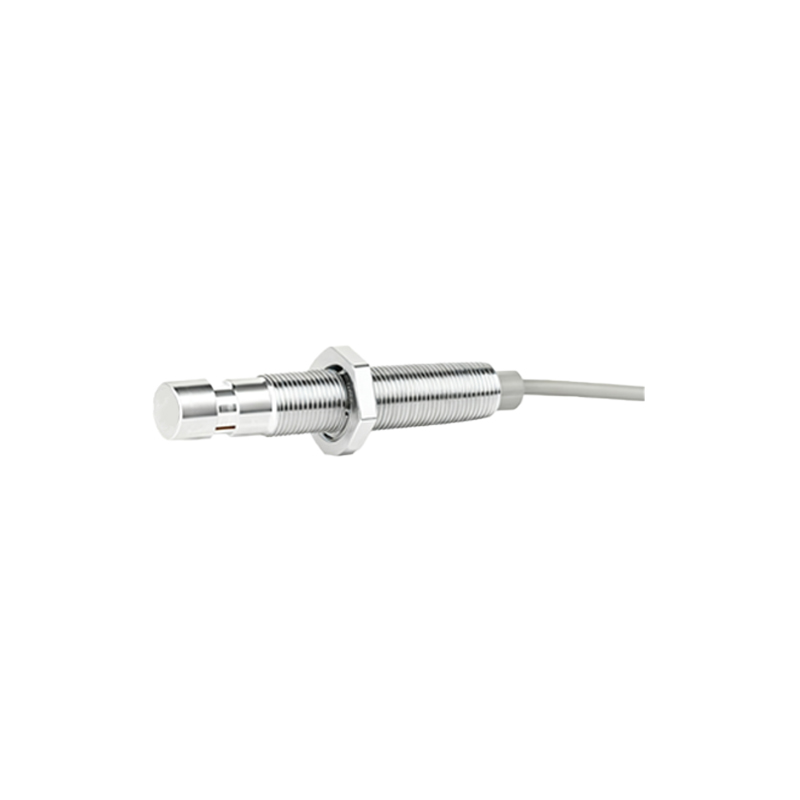
A key feature of the V20 series is its versatility. Available in both shielded (flush-mountable) and unshielded (non-flush-mountable) designs, these sensors can be installed in various spatial configurations. Shielded models allow for side-by-side mounting without mutual interference, making them ideal for tight spaces. The sensors are typically offered in standard sensing ranges, such as 2mm, 4mm, and 8mm, catering to different application requirements. Furthermore, they come in diverse housing materials like nickel-plated brass, stainless steel, or PBT plastic, ensuring compatibility with harsh industrial environments involving high temperatures, pressure washdowns, or exposure to chemicals.
Electrical compatibility is another strong suit. V20 sensors are commonly available with PNP (sourcing) or NPN (sinking) outputs, aligning with global control system standards. They operate on a wide DC voltage range, often from 10-30V DC or 20-250V AC, providing flexibility in system design. Many models also feature LED status indicators for easy diagnostics, showing power-on and target detection status, which simplifies commissioning and troubleshooting.
The application spectrum for V20 proximity sensors is vast. In conveyor systems, they are used for precise object counting, position verification, and end-of-travel detection. In robotic welding cells, they ensure the accurate positioning of components before the welding process begins. Within automated storage and retrieval systems (AS/RS), these sensors detect the presence of pallets or totes, ensuring smooth logistics flow. Their high repeat accuracy and short response time are critical for high-speed bottling and packaging lines where every millisecond counts.
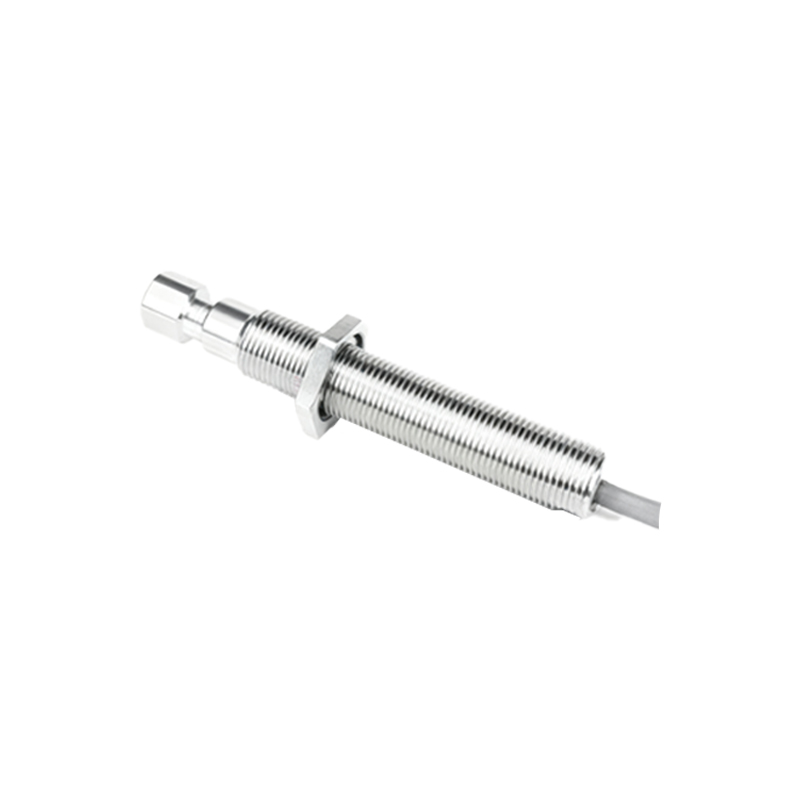
When selecting a V20 sensor for a specific task, several parameters must be considered. The sensing distance, as specified by the manufacturer, should have a safety margin to account for target material variations, temperature fluctuations, and voltage tolerances. The target material itself is crucial; while ferrous metals like steel provide the longest sensing range, non-ferrous metals like aluminum or copper require sensors specifically designed or adjusted for reduced range. Environmental factors such as ambient temperature, presence of strong electromagnetic fields, or potential physical impacts must also guide the selection of the appropriate housing and protection rating, typically IP67 or IP69K for demanding conditions.
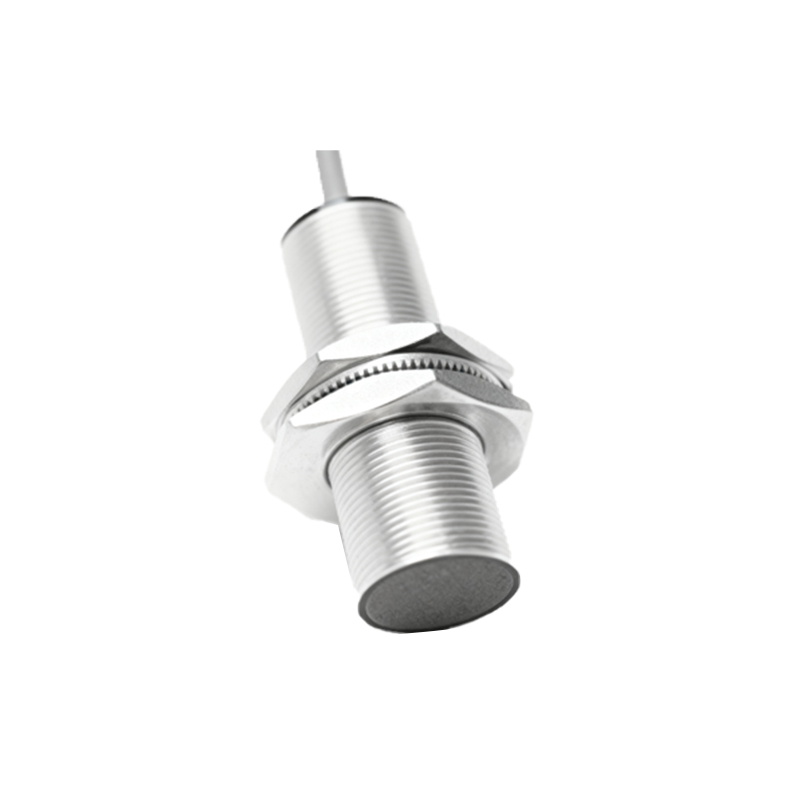
Installation and wiring practices are paramount for optimal performance. Ensuring a stable power supply with proper filtering, maintaining the recommended clearance between sensors, and using shielded cables in electrically noisy environments can prevent false triggering. Regular maintenance, though minimal, involves keeping the sensing face clean from debris buildup and periodically checking the mechanical integrity of the mounting.
In conclusion, the V20 proximity sensor exemplifies the innovation driving modern industrial automation. Its blend of robust design, reliable non-contact operation, and application flexibility makes it a cornerstone technology. By enabling precise, wear-free detection, V20 sensors contribute directly to increased productivity, enhanced safety, and reduced operational costs. For system integrators and maintenance engineers, a deep understanding of their operating principles, selection criteria, and installation best practices is essential for building resilient and efficient automated systems that meet the challenges of Industry 4.0.